 English
 русский
 Español
 عربى
عربى
 Português
LAILI
LAILI
LAILI
LAILI
LAILI
LAILI
LAILI
LAILI
LAILI
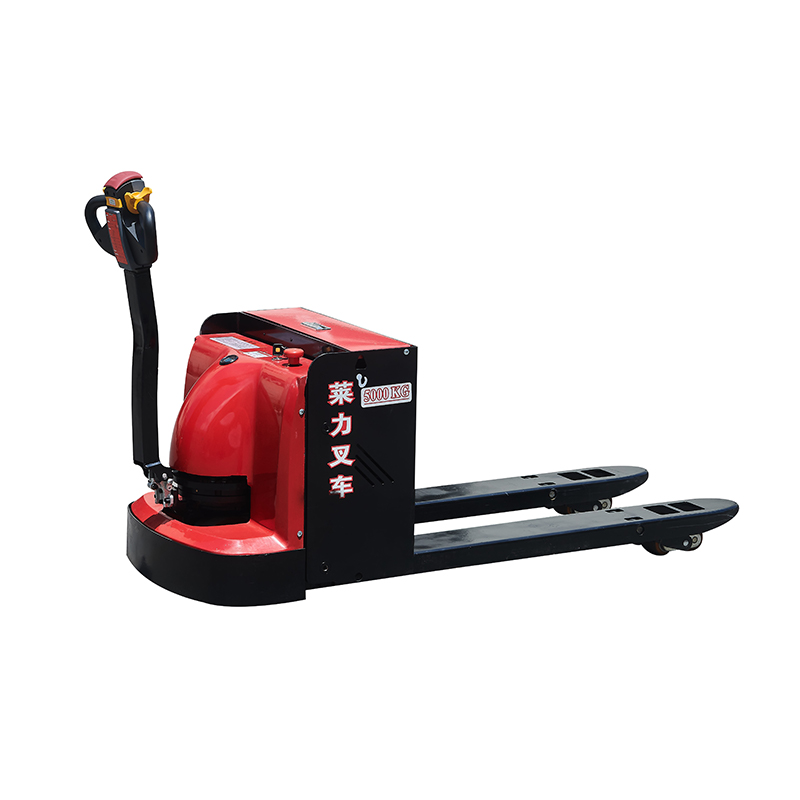
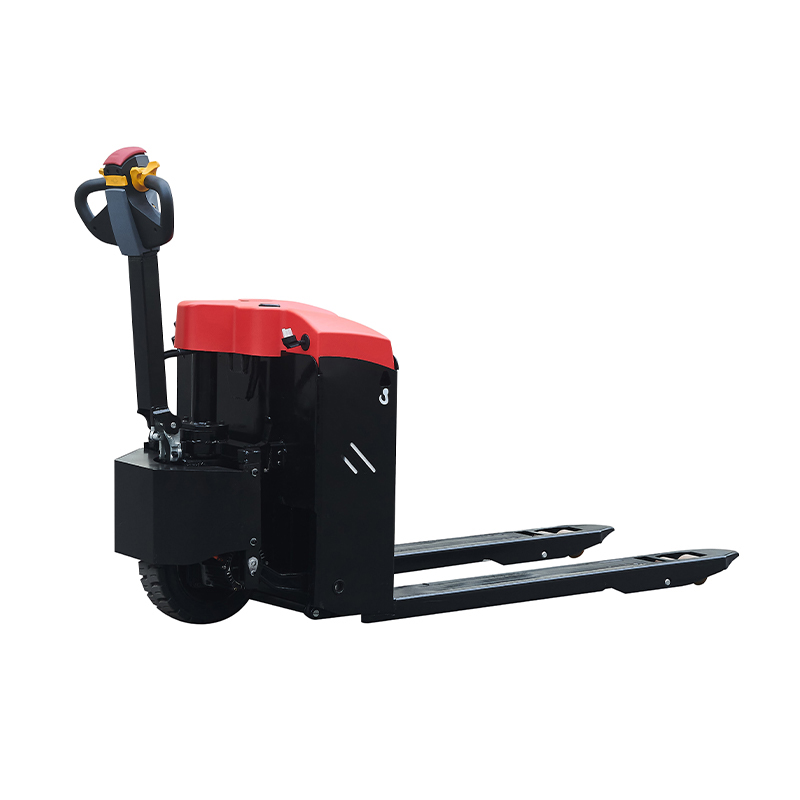
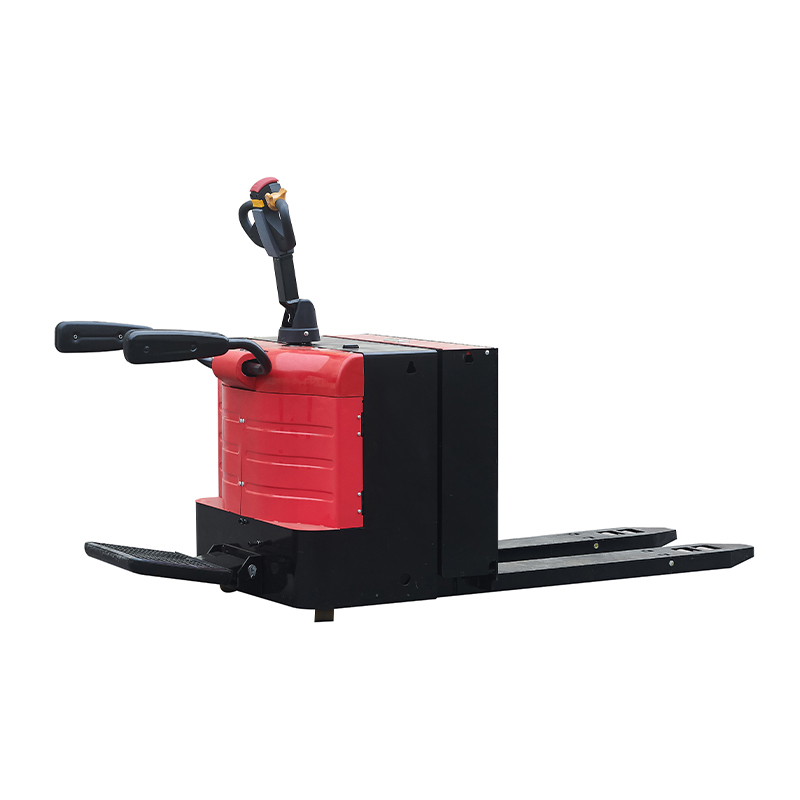
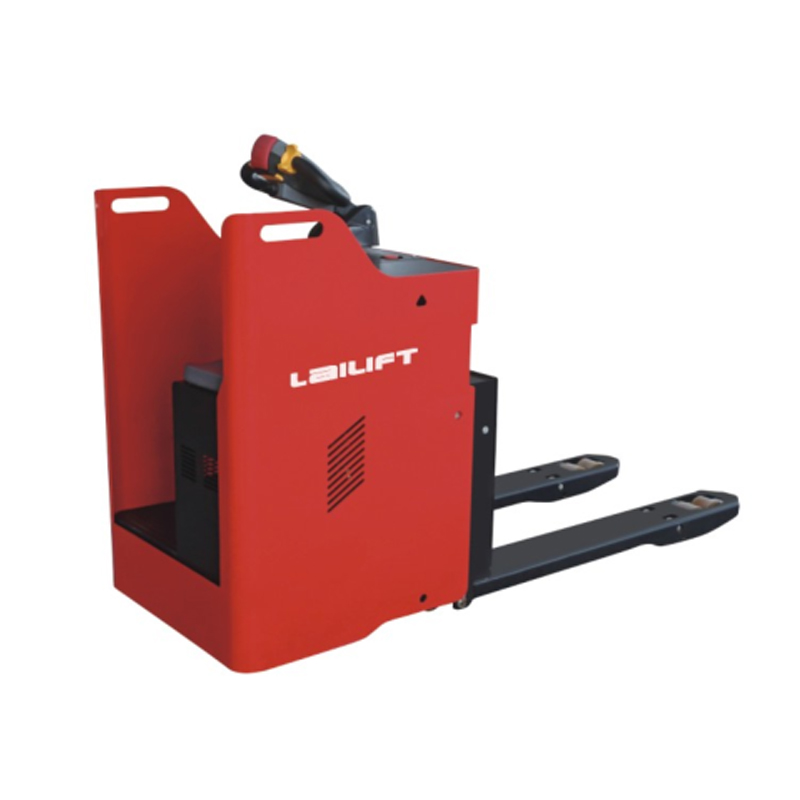
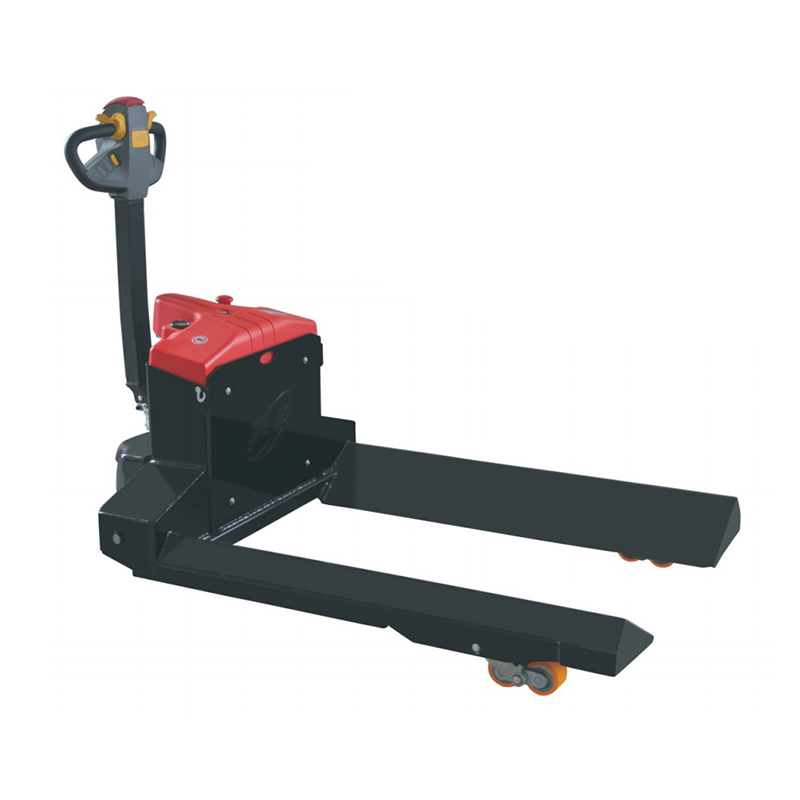
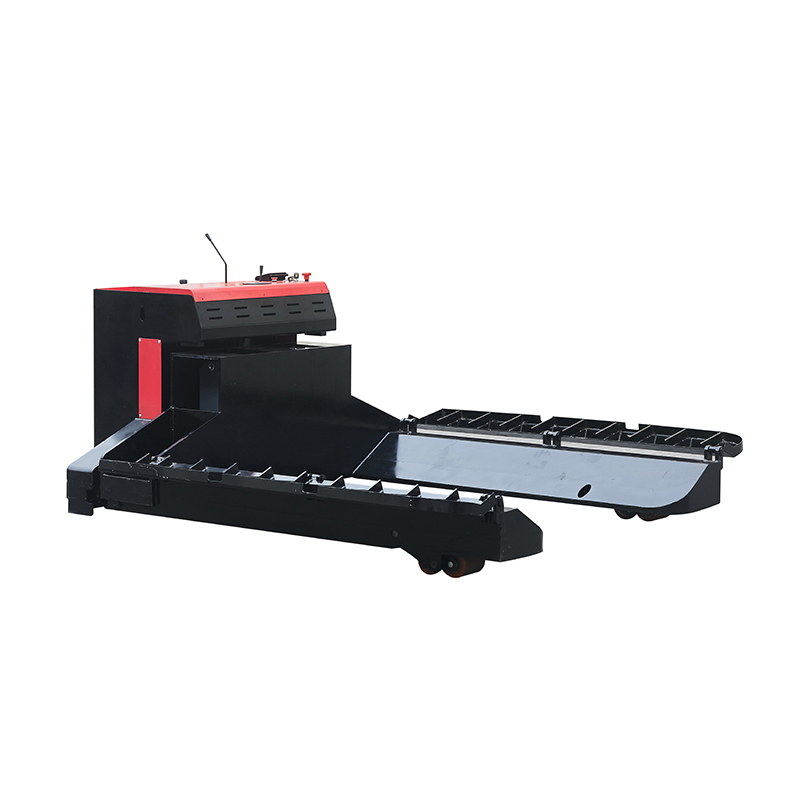
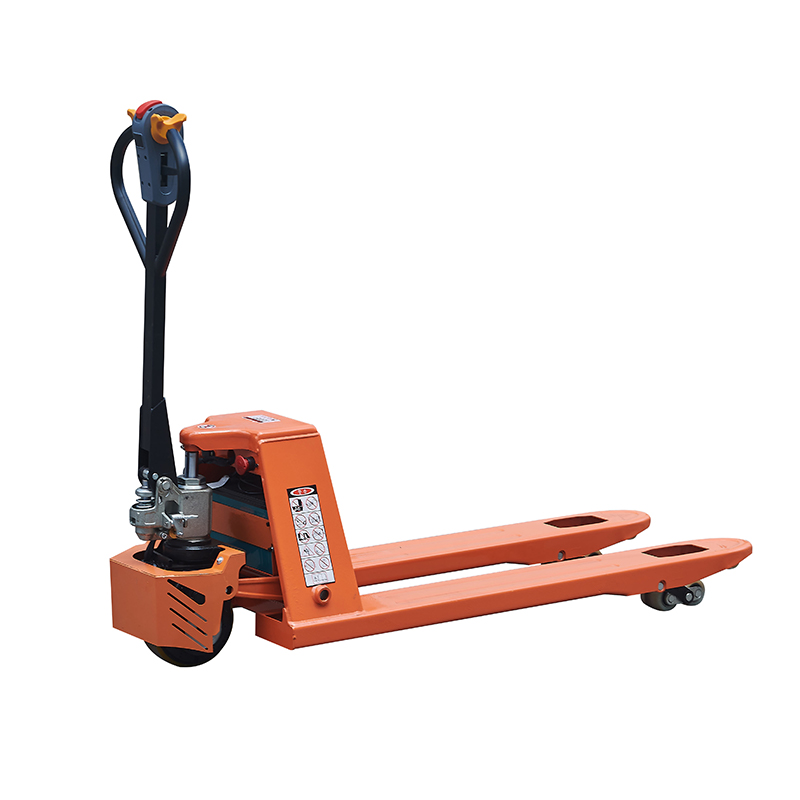
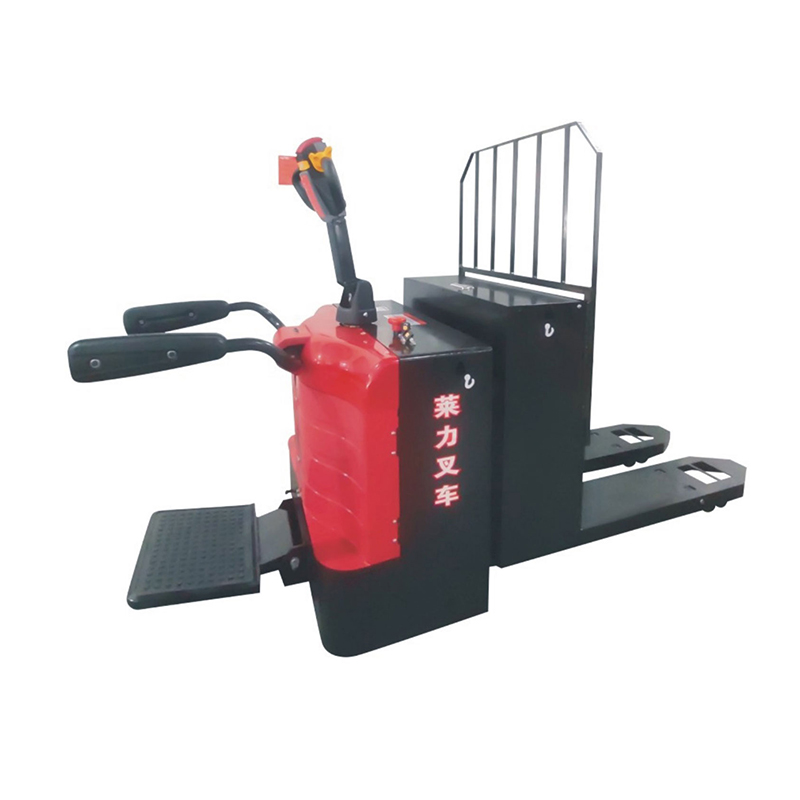
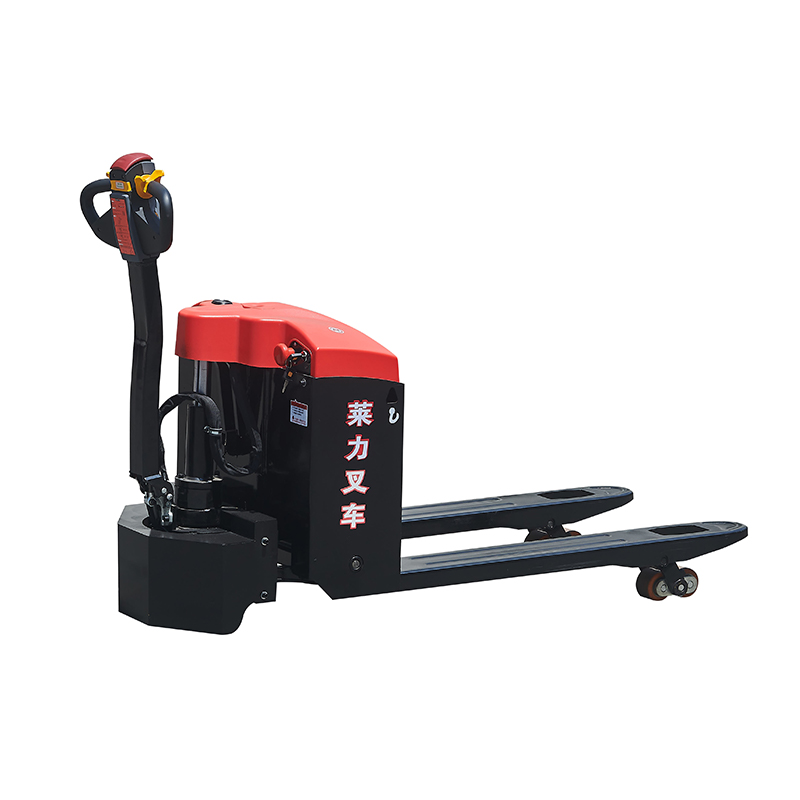
As warehouse operations become more demanding, companies are looking for equipment that can support faster material movement without creating additional management challenges. Distribution centers, factories, and logistics suppliers are paying more attention to compact electric handling solutions that can work reliably in busy environments. The demand for electric pallet handling equipment is growing as businesses focus on reducing manual workload, improving operator comfort, and preparing for smarter warehouse systems. As a manufacturer of material handling equipment, we focus on developing a Fully Electric Pallet Truck that helps customers solve practical problems such as repeated pallet movement, limited workspace, and daily equipment reliability.
Matching Equipment Performance with Real Warehouse Conditions
A common mistake during equipment purchasing is selecting a pallet truck based only on basic specifications. In real applications, warehouse conditions can be very different. Some facilities require frequent short-distance transportation, while others need equipment for production line supply or loading dock operations.
A suitable electric pallet truck should match:
- Daily pallet movement frequency.
- Available aisle space.
- Floor conditions and working environment.
- Operator working habits.
- Charging and maintenance requirements.
Understanding these factors helps buyers choose equipment that fits their workflow instead of adding unnecessary operating complexity.
Improving Productivity in Short-Distance Material Transport
Many warehouses do not need large lifting equipment for every task. A large amount of internal transportation involves moving pallets between storage areas, production zones, packing stations, and shipping areas.
A Fully Electric Pallet Truck provides powered travel and lifting functions, making these repeated movements easier to manage. Operators can complete routine transportation tasks with better control and less physical effort compared with manual pallet handling equipment.
For manufacturing plants, this improvement can help maintain smoother material supply between different production stages. For logistics warehouses, it supports faster pallet circulation during receiving and dispatch operations.
Battery Selection Becomes an Important Purchasing Factor
Battery technology is now a key consideration for companies purchasing electric warehouse equipment. Buyers are increasingly reviewing battery type, charging methods, service requirements, and expected working patterns before making procurement decisions.
When developing electric pallet trucks, manufacturers need to consider how the power system performs in actual working environments. Important factors include:
- Stable power output during repeated operations.
- Convenient charging arrangements.
- Battery replacement accessibility.
- Compatibility with different working schedules.
A practical battery solution allows companies to reduce unexpected interruptions and maintain more organized daily operations.
Creating a More Comfortable Experience for Operators
Warehouse employees often perform repetitive handling tasks for many hours. Equipment that requires excessive physical force can increase operator fatigue and affect overall workflow efficiency.
Electric pallet trucks are designed to simplify these daily operations through powered movement and ergonomic control systems. A comfortable handle design, smooth acceleration, and responsive steering can make pallet transportation easier, especially in narrow spaces or high-frequency working areas.
From a manufacturing perspective, equipment design should not only focus on mechanical performance but also consider how people interact with the machine every day.
Supporting Safer Movement in Busy Work Areas
Safety remains an important concern for warehouses where workers, storage racks, and transportation equipment operate together. Poor maneuverability or difficult controls may increase operational risks.
A well-designed Fully Electric Pallet Truck can support safer handling through controlled movement, stable pallet lifting, and easier direction adjustment. Features such as emergency stop functions, speed control options, and reliable braking systems help operators manage equipment more confidently.
For procurement teams, choosing equipment with practical safety features can improve workplace management while supporting long-term operational stability.
Building Flexible Solutions for Different Industries
Different industries have different material handling requirements. Food storage facilities may focus on cleanliness and indoor operation, while manufacturing companies may prioritize durability and continuous use. Third-party logistics providers often need flexible equipment that can adapt to changing customer requirements.
As a manufacturer, we provide OEM and ODM support to help customers adjust product configurations according to application needs. Options related to battery systems, load capacity, control design, and equipment structure can help global buyers create suitable solutions for their markets.
Preparing Warehouses for Smarter Material Handling
Warehouse modernization does not always require a complete automation upgrade. Many companies begin by improving basic transportation processes with reliable electric equipment before introducing more advanced systems. Electric pallet trucks are often considered a practical step between manual handling and future automation solutions.
A properly selected Fully Electric Pallet Truck can support current warehouse requirements while providing flexibility for future development. By focusing on real working conditions, operator needs, and long-term maintenance value, businesses can achieve more efficient material movement and build a stronger foundation for modern warehouse operations.