Material Handling Equipment for Industrial & Warehouse Applications
Material handling equipment plays a critical role in modern manufacturing plants, distribution centers, and warehouse operations. It is not a single machine, but a complete system designed to move, lift, store, and control materials efficiently throughout the entire production and logistics flow.
In real industrial environments, the performance of material handling equipment directly affects labor cost, order fulfillment speed, warehouse space utilization, and operational safety. Whether handling raw materials, semi-finished goods, or packaged products, choosing the right equipment configuration is essential to maintain consistent workflow and avoid bottlenecks.
What Material Handling Equipment Really Means in Industrial Use
In practical applications, material handling equipment refers to all mechanical and powered systems used to transport goods within a facility. This includes both manual tools and advanced electric systems.
Typical functions include:
- Horizontal transportation between workstations or storage zones
- Vertical lifting and stacking of palletized goods
- Loading and unloading trucks or containers
- Order picking and replenishment in warehouse aisles
- Short-distance transfer inside production lines
However, the real challenge for B2B users is not simply selecting equipment, but solving operational inefficiencies such as:
- Excessive manual handling between processes
- Congested warehouse aisles and poor traffic flow
- High labor dependency in repetitive transport tasks
- Inefficient pallet movement during peak order periods
- Safety risks in tight or high-traffic warehouse zones
This is why modern material handling systems are designed as integrated solutions rather than standalone machines.
Common Warehouse Problems That Material Handling Equipment Solves
In real warehouse and factory environments, inefficiencies are often caused by layout limitations and equipment mismatch rather than lack of manpower.
1. Long walking distances and repetitive transport
In many warehouses, operators still manually push or drag pallets across long distances between receiving, storage, and shipping zones. This leads to:
- Low productivity per worker
- Higher fatigue and turnover rates
- Increased risk of product damage during handling
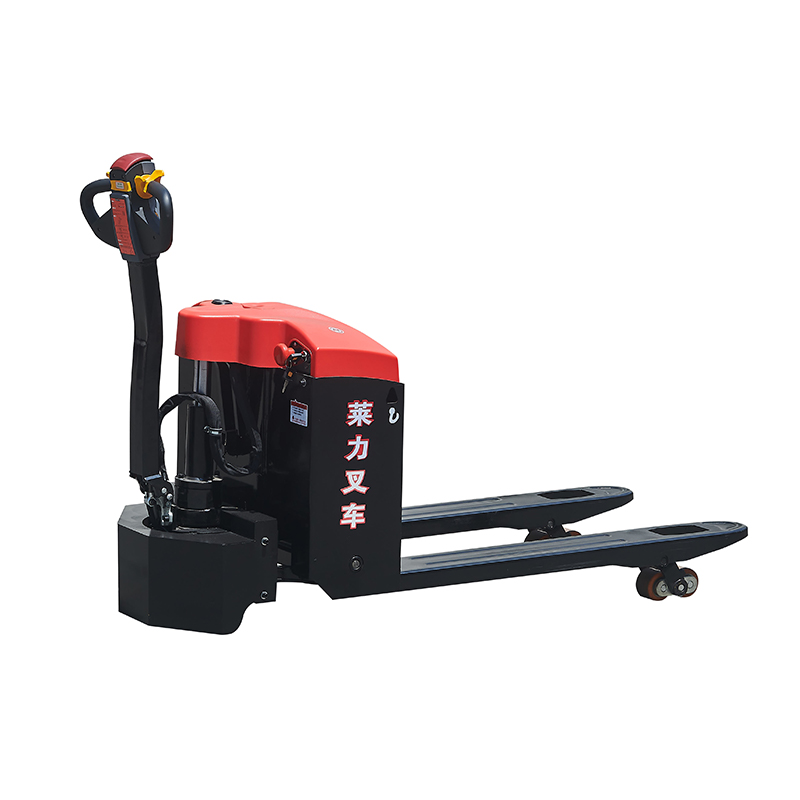
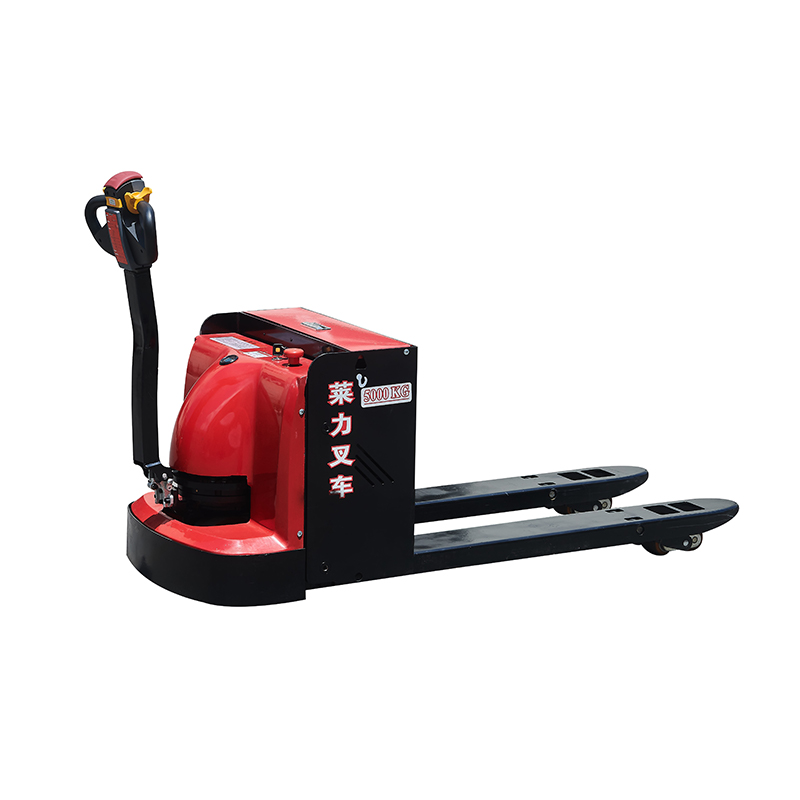
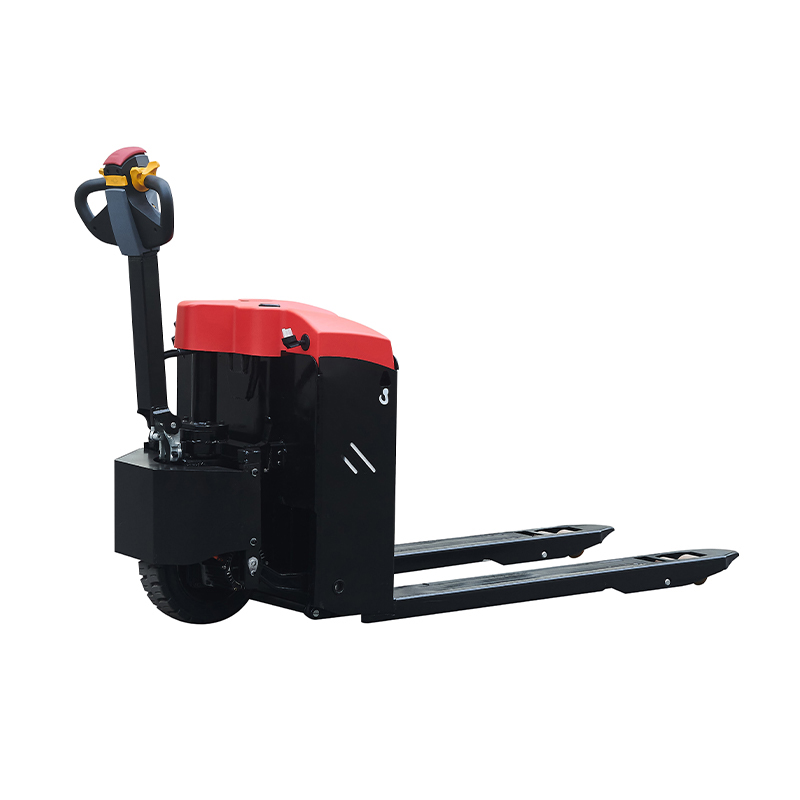
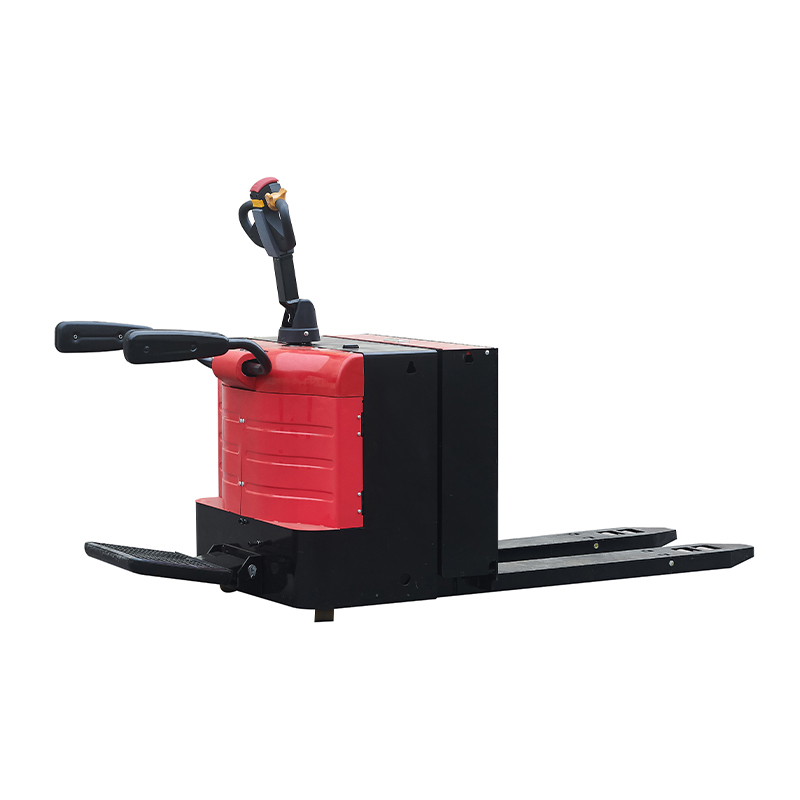
Electric pallet trucks and walkie pallet jacks are commonly introduced to eliminate these inefficiencies by reducing manual pushing effort and increasing transport speed.
2. Limited aisle space and tight storage layouts
As warehouse space becomes more expensive, storage density increases. Narrow aisles and high-rack systems create challenges for traditional forklifts.
Typical issues include:
- Difficulty turning in narrow aisles
- Limited vertical lifting capability
- Collision risks in dense storage areas
This is where stackers, reach-type equipment, and compact electric handling units are widely used to improve maneuverability without expanding warehouse space.
3. High-frequency loading and unloading operations
In logistics hubs or distribution centers, loading docks are often the most congested areas. Manual handling slows down the entire operation chain.
Common pain points:
- Trucks waiting too long at loading bays
- Labor-intensive pallet transfer processes
- Peak-hour congestion during dispatch cycles
Dock-level handling equipment and electric pallet movers help stabilize throughput and reduce dependency on manual labor.
4. Mixed load weights and unstable handling efficiency
Warehouses often deal with different pallet weights and sizes. Using a single type of equipment leads to:
- Overloading risk
- Inefficient equipment utilization
- Increased wear and maintenance costs
A proper material handling setup distributes tasks across different equipment types based on load class and frequency.
Core Types of Material Handling Equipment in Industrial Systems
A complete material handling system typically combines multiple equipment categories based on workflow stages.
1. Pallet Transport Equipment (Horizontal Movement)
This category handles short to medium distance transport within warehouses and production floors.
Common equipment includes:
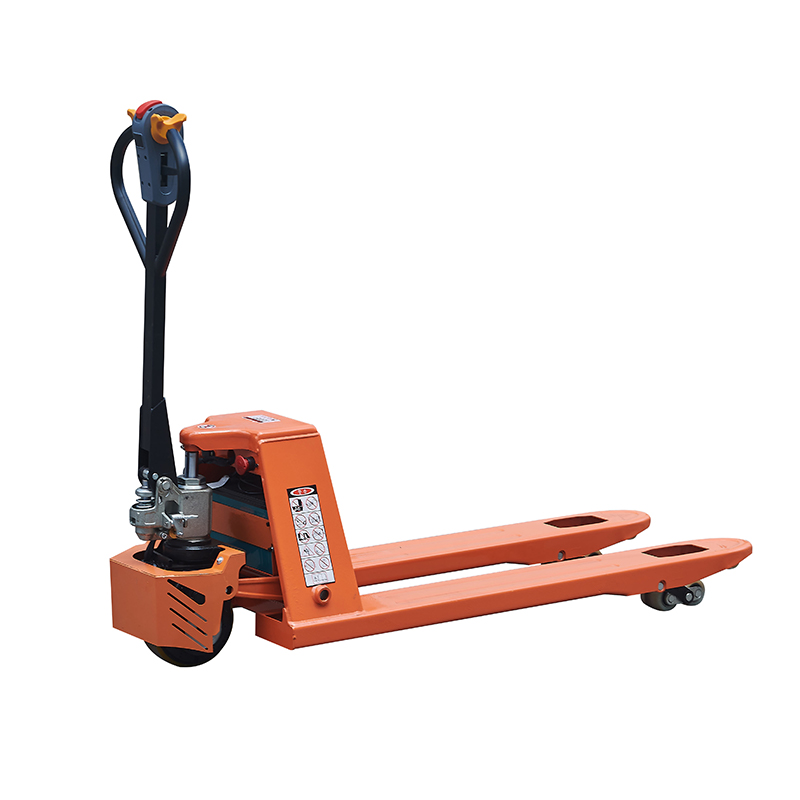
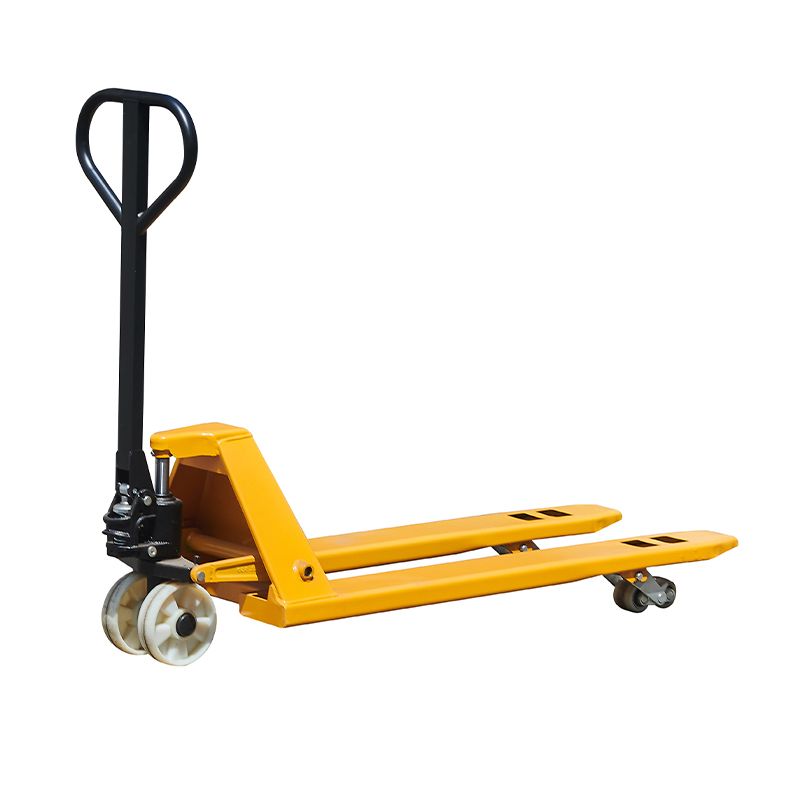
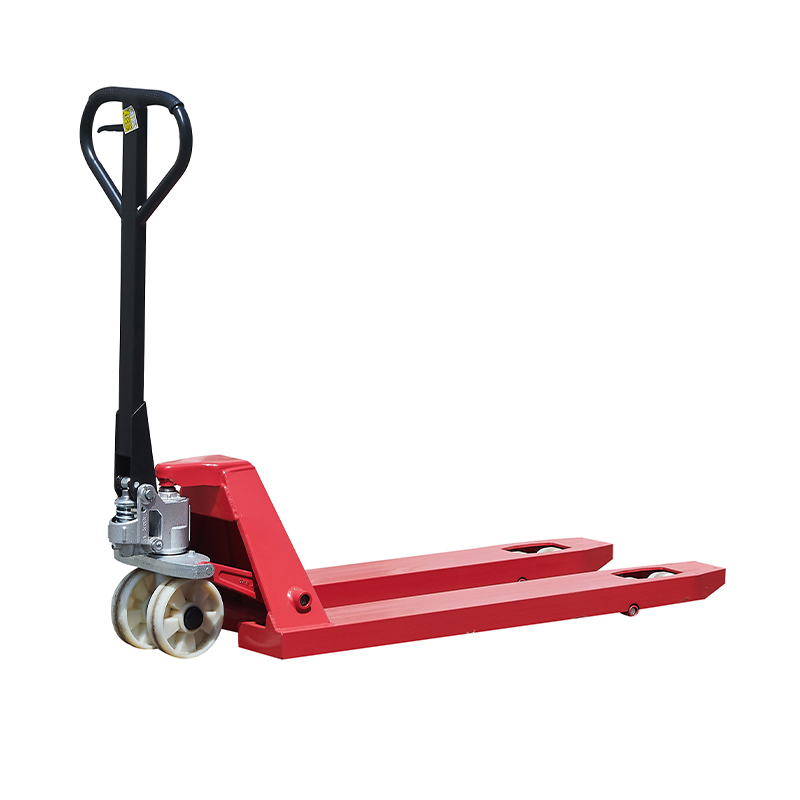
- Hand pallet trucks for basic manual movement
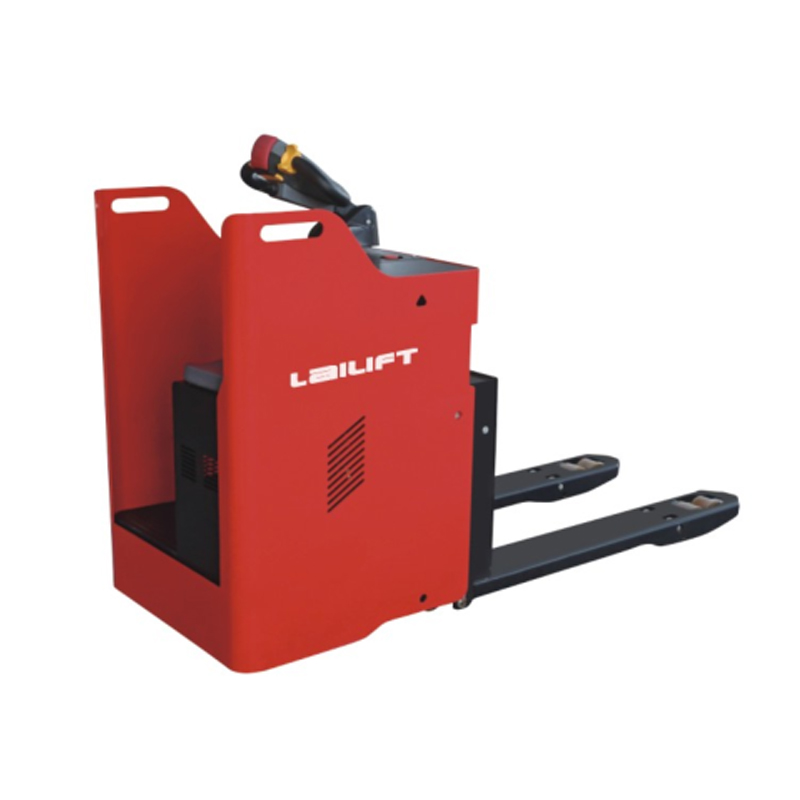
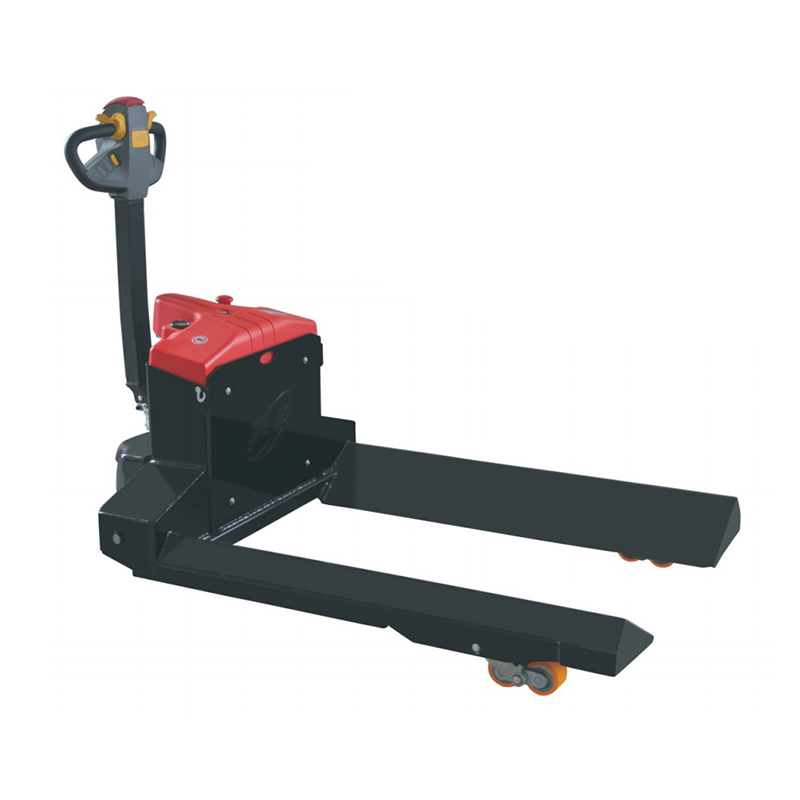
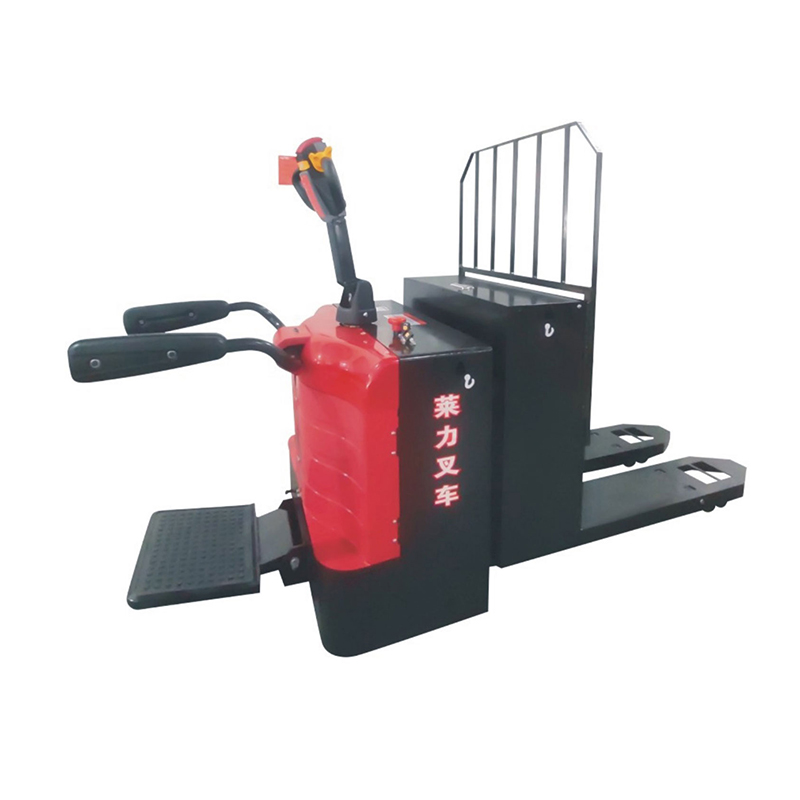
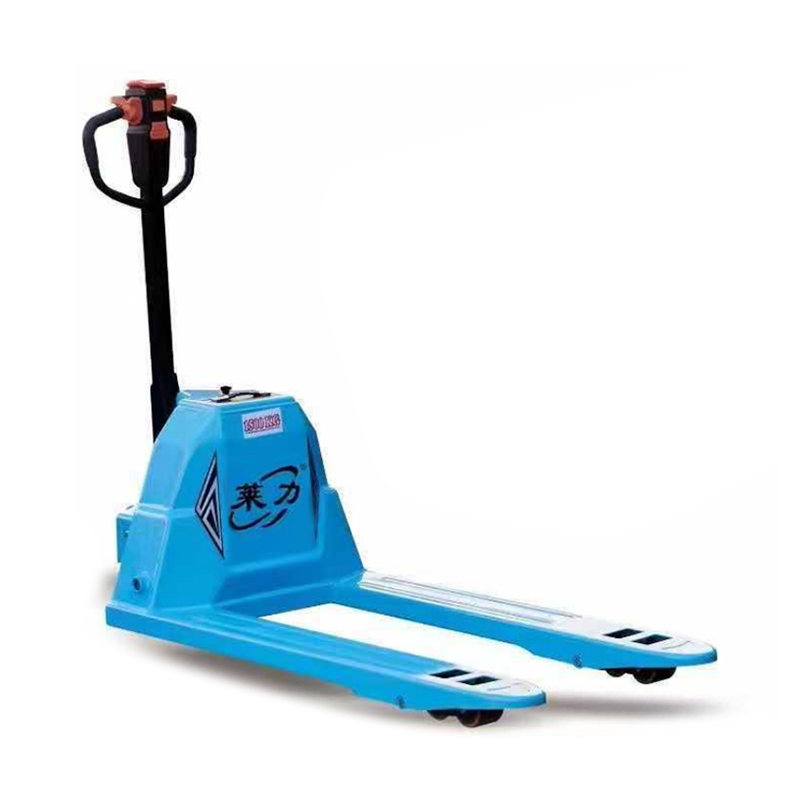
- Electric pallet trucks for high-frequency operations
- Walkie pallet jacks for tight warehouse aisles
These tools are essential for reducing manual pushing labor and improving transport speed between zones.
2. Lifting and Stacking Equipment (Vertical Handling)
Vertical storage efficiency is critical in modern warehouses. Instead of expanding floor space, facilities optimize vertical capacity.
Typical solutions:
- Electric stackers for medium-height racking
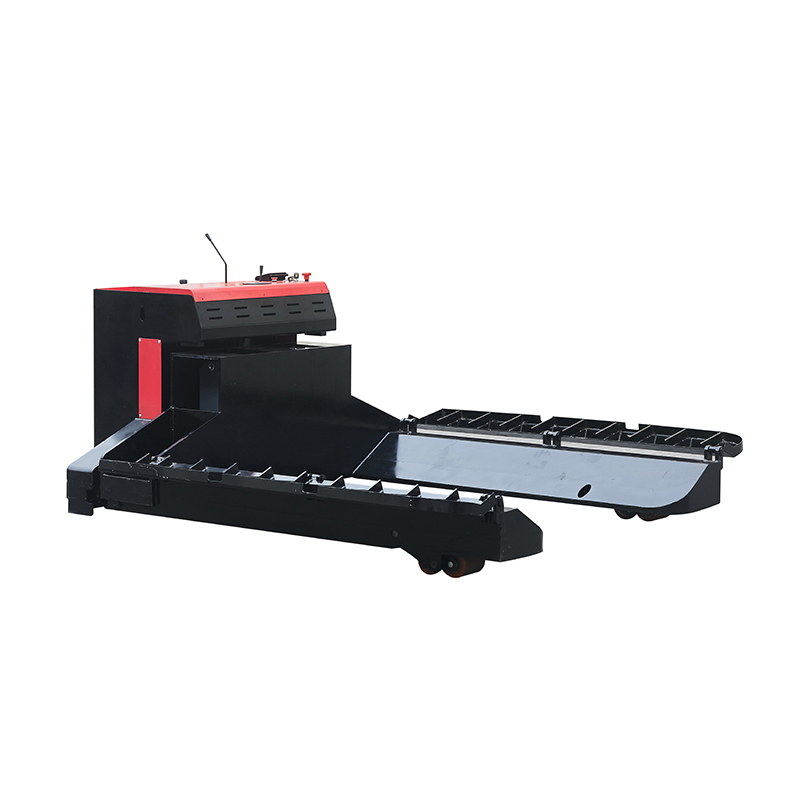
- Hydraulic lift tables for loading and assembly operations
- Counterbalance lifting systems for flexible lifting tasks
These systems are widely used in assembly lines, warehouse shelving, and pallet staging areas.
3. Forklift and Heavy-Duty Handling Equipment
For high-load or full-pallet transport across long distances, forklifts and tow tractors are used.
- They are typically applied in:
- Container loading and unloading
- Large-scale warehouse logistics
- Industrial manufacturing transfer zones
However, forklifts are not always cost-efficient for short-distance repetitive movement, which is why they are often combined with smaller electric handling equipment.
4. Warehouse Support and Auxiliary Systems
Beyond core transport equipment, auxiliary systems improve workflow stability and safety.
Examples include:
- Dock levelers for loading bay alignment
- Pallet positioning systems for accurate stacking
- Conveyor-assisted transfer zones
- Safety barriers and traffic control systems
These components ensure smooth coordination between different handling stages.
Material Handling Solutions: Why Equipment Alone Is Not Enough
Modern industrial users increasingly shift from single equipment purchasing to complete material handling solutions.
A true solution considers:
- Warehouse layout and material flow direction
- Frequency of movement between each operation point
- Load size distribution and pallet standardization
- Labor allocation and shift patterns
- Safety requirements and operational constraints
For example, a typical warehouse workflow may be designed as:
Receiving → Temporary staging → Storage → Picking → Packing → Shipping
Instead of using one forklift for all steps, optimized solutions assign:
- Electric pallet trucks for staging transfer
- Stackers for storage operations
- Lift tables for packing stations
- Forklifts only for dock-level bulk handling
This layered approach reduces congestion and improves throughput consistency.
Real Application Scenarios in Manufacturing and Warehousing
Manufacturing plants
In production environments, material handling equipment is used to:
- Supply raw materials to assembly lines
- Move semi-finished products between workstations
- Transport finished goods to storage areas
Efficiency here directly affects production continuity.
Distribution centers
In logistics and e-commerce warehouses, the focus is:
- Fast inbound and outbound processing
- High-frequency pallet movement
- Minimal downtime during peak seasons
Electric handling equipment is widely used to maintain stable order flow.
Cold storage and special environments
In temperature-controlled warehouses:
- Equipment must handle low-temperature performance
- Battery efficiency becomes critical
- Safety and reliability requirements increase significantly
Specialized warehouse material handling equipment is often required for these environments.
Key Considerations When Selecting Material Handling Equipment
B2B buyers typically evaluate equipment based on operational rather than theoretical factors:
- Daily handling volume and peak load periods
- Warehouse aisle width and vertical storage height
- Type and weight of pallets used
- Labor cost versus automation level
- Maintenance accessibility and long-term durability
In many cases, upgrading workflow efficiency does not require replacing all equipment. Instead, adding electric transport units or reorganizing material flow can significantly improve performance.

 English
 русский
 Español
 عربى
عربى
 Português