Manual Lift Hand Truck & Industrial Lift Tables for Material Handling Efficiency
In modern industrial environments, efficient material handling is not only about transporting goods—it is about improving workflow continuity, reducing manual labor intensity, and ensuring safe lifting operations across different workstations.
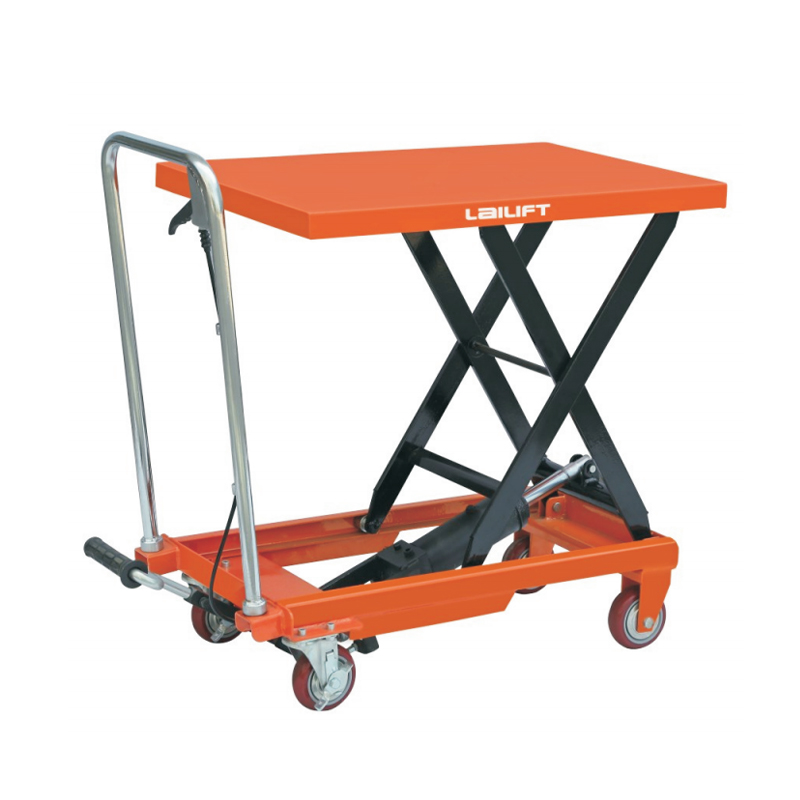
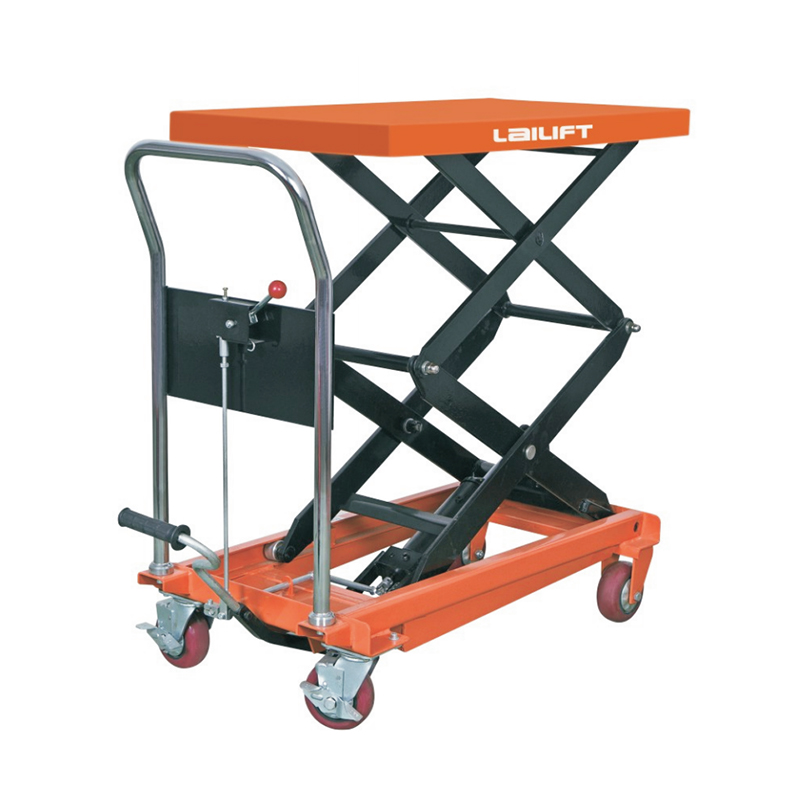
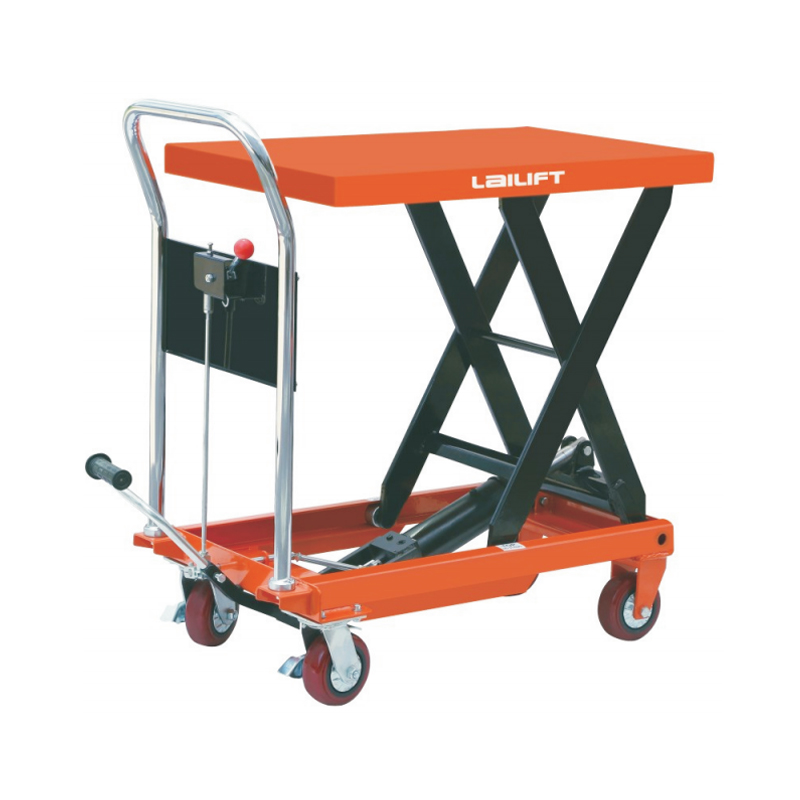
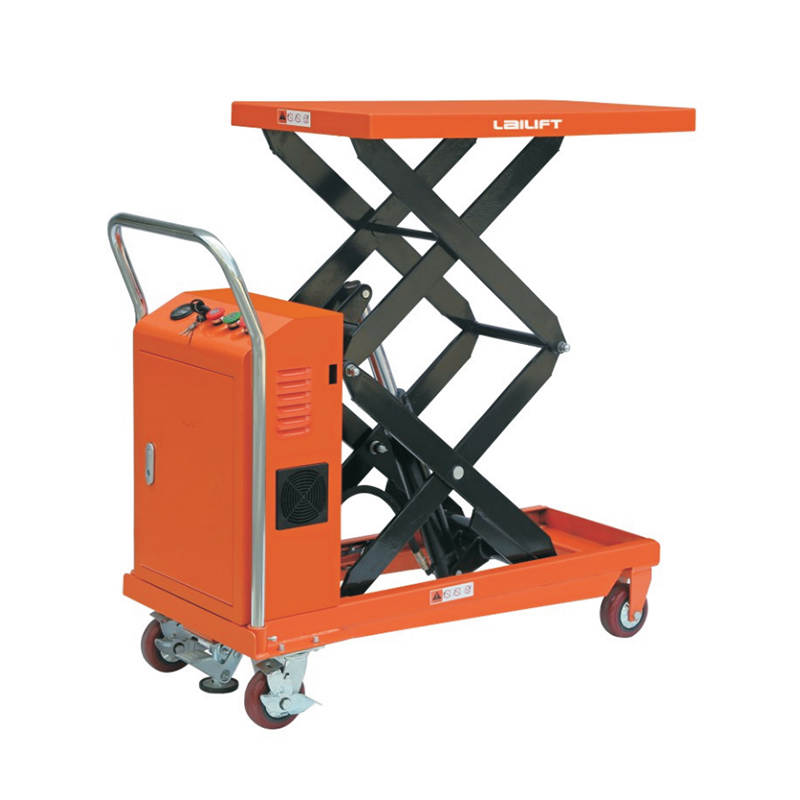
Manual Lift Hand Truck and Lift Tables are widely used in warehouses, factories, production lines, and maintenance workshops where flexible lifting and short-distance handling are required. Unlike forklifts or fully automated systems, these tools provide a cost-effective and highly adaptable solution for low-to-medium intensity lifting tasks.
For B2B buyers searching for Manual Lift Hand Truck suppliers or industrial Lift Tables manufacturers, the key decision factor is not only load capacity—but also stability, durability, and real-world usability under continuous operation conditions.
What Manual Lift Hand Truck Actually Solves in Real Operations
In real warehouse and production environments, a Manual Lift Hand Truck is designed to solve one core problem: reducing manual lifting strain while maintaining flexibility in small working spaces.
Typical operational challenges include:
- Workers manually lifting heavy cartons or components onto benches
- Repetitive lifting causing fatigue and potential workplace injury
- Limited space where forklifts or electric lifters cannot operate
- Frequent short-distance lifting between production stations
- Irregular load sizes requiring flexible handling tools
In these cases, manual lift hand trucks provide a practical and low-cost lifting solution without requiring power supply or complex maintenance systems.
Real application scenario:
In a small assembly workshop, operators often need to:
- Move components from ground pallets
- Lift them to workstation height
- Adjust height multiple times during assembly
A manual lift hand truck allows a single operator to complete this process safely and efficiently without additional manpower.
Why Manual Lift Hand Truck Is Still Widely Used in Industry
Despite the rise of electric lifting systems, manual lift hand trucks remain widely used in global warehouses and factories because of their simplicity and reliability.
Key advantages include:
- No electricity or battery dependency
- Low maintenance cost
- Easy deployment in any working environment
- Suitable for unpredictable or mixed-load operations
- Long service life with proper hydraulic design
In many facilities, manual lifting equipment is used as a backup system even when electric equipment is available, especially during peak workload periods or power limitations.
Lift Tables: Core Equipment for Safe Vertical Handling
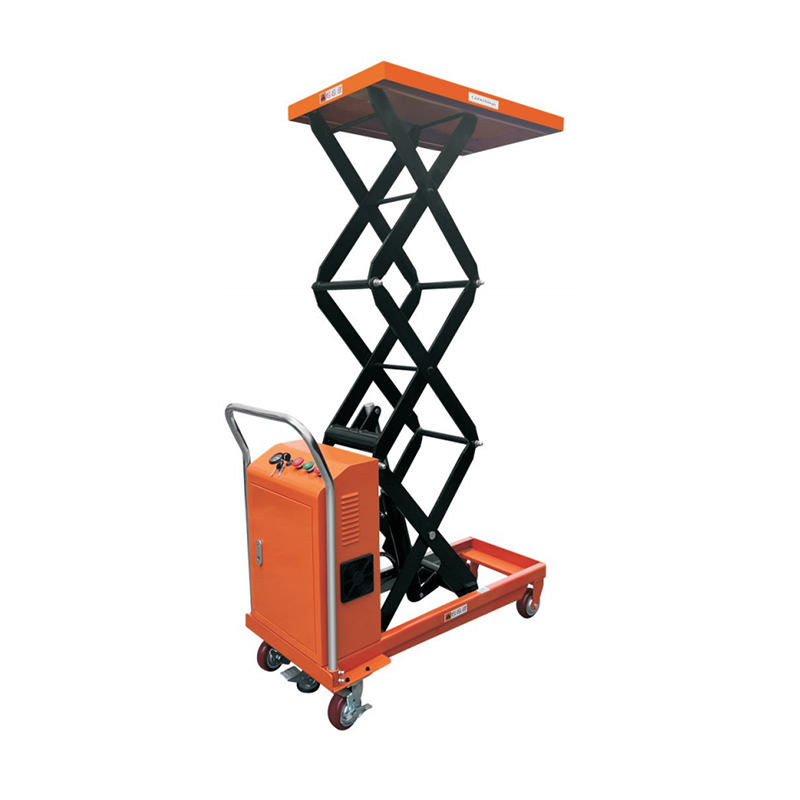
Lift Tables are one of the most important pieces of equipment in modern material handling systems. They are designed to raise and lower heavy loads to an ergonomic working height, reducing strain and improving workflow efficiency.
In real operations, lift tables are commonly used to solve problems such as:
- Workers bending repeatedly during assembly tasks
- Inefficient loading and unloading of heavy components
- Height mismatch between production lines and storage pallets
- Safety risks during manual lifting operations
- Irregular workstation height requirements
Industrial Applications of Lift Tables in Real Workflows
1. Production assembly lines
In manufacturing environments, lift tables are often installed beside production lines to:
- Maintain consistent working height
- Improve assembly precision
- Reduce worker fatigue during long shifts
Operators can adjust load height instead of bending or stretching repeatedly, significantly improving productivity.
2. Warehouse loading and unloading areas
Lift tables are widely used in warehouse logistics for:
- Loading goods from pallets to sorting tables
- Unloading heavy cartons from transport containers
- Adjusting height during packing operations
This helps reduce manual lifting injuries and speeds up handling cycles.
3. Packaging and sorting stations
In e-commerce and distribution centers, lift tables are used to:
- Keep packages at optimal ergonomic height
- Support fast sorting and scanning operations
- Reduce repetitive bending and lifting movements
4. Heavy-duty maintenance workshops
In industrial repair environments, lift tables are used for:
- Positioning machinery parts
- Supporting assembly and disassembly work
- Handling irregular heavy components safely
Manual Lift Hand Truck vs Lift Tables: How They Work Together
Although they serve different purposes, Manual Lift Hand Truck and Lift Tables are often used together in the same workflow system.
A typical combined workflow looks like this:
Step 1: Material arrival
Manual lift hand truck is used to unload or reposition goods from pallets.
Step 2: Transfer to workstation
Materials are moved to production or packaging zones.
Step 3: Height adjustment
Lift tables are used to raise materials to ergonomic working height.
Step 4: Processing stage
Workers perform assembly, packaging, or inspection at optimized height.
This combination ensures both mobility + height control, which is essential in efficient production environments.
Why Lift Tables Improve Workplace Safety and Efficiency
One of the most important benefits of lift tables is ergonomic improvement.
Without lift tables, workers often need to:
- Bend repeatedly to pick up materials
- Lift heavy loads manually
- Adjust posture frequently during long operations
This leads to:
- High risk of musculoskeletal injuries
- Reduced productivity over long shifts
- Inconsistent operational quality
Lift tables solve this by maintaining a stable working height, which directly reduces physical strain.
Key Factors When Selecting Manual Lift Hand Truck and Lift Tables
For B2B buyers, selecting the right equipment depends on real operational requirements rather than specifications alone.
1. Load capacity requirements
- Light industrial use: small components and cartons
- Medium industrial use: assembly parts and pallets
- Heavy-duty use: mechanical components and dense materials
2. Working height range
- Minimum and maximum lifting height
- Compatibility with workstation or pallet height
3. Frequency of operation
- Occasional use (manual systems suitable)
- High-frequency use (hydraulic stability becomes critical)
4. Floor and workspace conditions
- Smooth warehouse floors vs rough industrial surfaces
- Indoor vs semi-outdoor environments
5. Operator safety requirements
- Stability under full load
- Anti-slip platforms
- Controlled lowering systems
Real Experience from Industrial Use
In real factory environments, many operational improvements come not from replacing entire systems, but from introducing manual lift hand trucks and lift tables into specific bottleneck points.
Common improvements observed include:
- Reduced worker fatigue in repetitive lifting zones
- Faster material turnover at workstations
- Lower accident rates in manual handling areas
- Improved consistency in production flow
One common insight from warehouse operations is:
Most inefficiency is not caused by transportation, but by repetitive lifting at fixed workstations.
This is exactly where lift tables provide the highest ROI.

 English
 русский
 Español
 عربى
عربى
 Português