Pallet Electric Forklift, Counterbalance Pallet Stacker & Counterbalance Forklifts for Industrial Material Handling
In modern warehouse and industrial logistics systems, material handling efficiency depends heavily on the correct selection of lifting and transport equipment. Among the most widely used solutions are Pallet Electric Forklift, Counterbalance Pallet Stacker, and Counterbalance Forklifts, which together form the core of medium-to-heavy duty warehouse operations.
Unlike light material handling tools such as pallet jacks or manual stackers, these equipment types are designed for high-load, multi-shift, and continuous industrial environments, where stability, lifting capacity, and operational safety are critical.
For B2B buyers searching for reliable Pallet Electric Forklift manufacturers or Counterbalance Forklifts suppliers, the key concern is not only lifting performance—but also long-term durability, energy efficiency, and real-world adaptability in warehouse conditions.
What Pallet Electric Forklift Solves in Real Warehouse Operations
A Pallet Electric Forklift is widely used in industrial environments where traditional internal combustion forklifts are being replaced by cleaner, quieter, and more energy-efficient electric systems.
In real operations, the main problems solved include:
- High fuel cost and maintenance cost of diesel forklifts
- Indoor emission restrictions in warehouses and food facilities
- Frequent short-distance pallet movement with heavy loads
- Noise reduction requirements in indoor logistics centers
- Need for precise control in narrow warehouse aisles
Real application scenario:
In a medium-sized distribution center, operators often need to:
- Move full pallets from receiving dock to storage racks
- Transport goods across warehouse zones multiple times per shift
- Operate in indoor environments with strict ventilation requirements
A Pallet Electric Forklift provides stable torque output, smooth acceleration, and precise load control, making it suitable for repetitive industrial workflows.
Unlike fuel-based forklifts, electric systems also reduce downtime caused by engine maintenance and refueling cycles.
Counterbalance Forklifts: Core Heavy-Duty Warehouse Equipment
Counterbalance Forklifts are one of the most widely used industrial lifting systems in global logistics and manufacturing environments.
The key design principle is the rear counterweight system, which balances the load being lifted at the front forks.
Typical operational challenges solved:
- Handling heavy palletized loads in warehouse and factory environments
- Loading and unloading shipping containers and trucks
- Transporting bulk materials across long distances
- Ensuring stability during high-weight lifting operations
Why counterbalance design matters:
Unlike reach trucks or narrow-aisle equipment, counterbalance forklifts:
- Do not require external stabilizing arms
- Can operate directly beside pallets or trucks
- Offer higher flexibility for mixed warehouse environments
In real industrial usage, Counterbalance Forklifts are often considered the “primary backbone equipment” in logistics hubs, especially for outdoor and semi-outdoor operations.
Counterbalance Pallet Stacker: Bridging Forklifts and Compact Lifting Systems
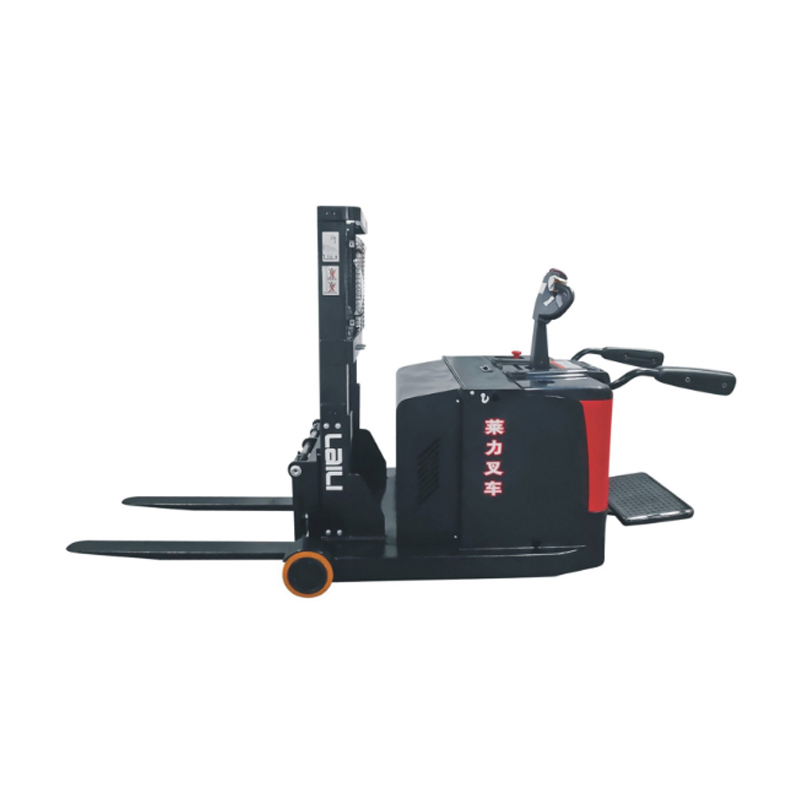
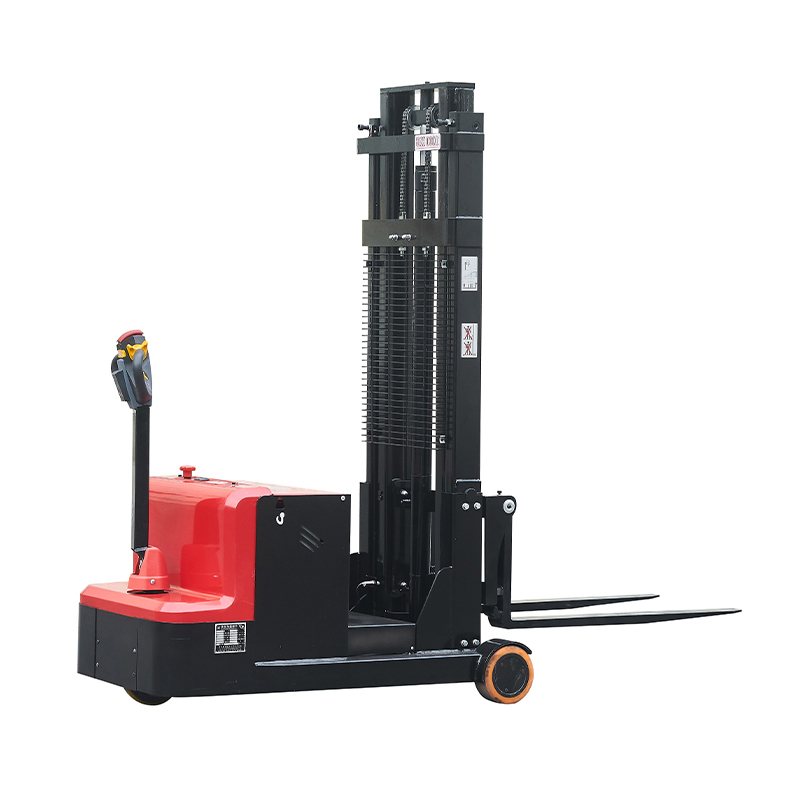
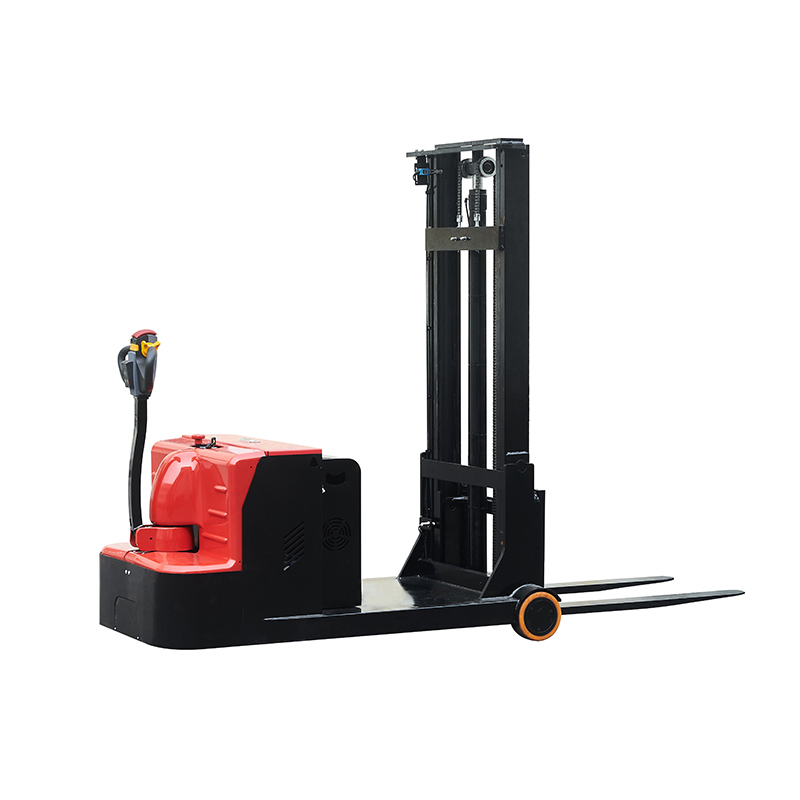
A Counterbalance Pallet Stacker is designed to combine the stability of counterbalance systems with the compact flexibility of stacking equipment.
It is commonly used in environments where:
- Forklifts are too large or expensive for daily operations
- Vertical storage is required but space is limited
- Medium-load lifting is frequent but not heavy-duty enough for forklifts
Real operational pain points solved:
- Limited warehouse aisle width prevents forklift use
- Need for vertical stacking without complex infrastructure
- Frequent pallet lifting between 1–4 meter height range
- Cost optimization for medium-sized warehouses
Typical use cases:
- Small and medium manufacturing plants
- Retail distribution centers
- Spare parts warehouses
- Light industrial assembly facilities
In these environments, a Counterbalance Pallet Stacker provides a balance between lifting capacity and operational flexibility.
System-Level Thinking: Forklift vs Stacker vs Electric Pallet Forklift
In real warehouse planning, these three equipment types are not competitors—they are layered components of a complete material handling system.
1. Pallet Electric Forklift (Medium-distance + indoor efficiency)
Used for:
- Indoor warehouse transport
- Frequent pallet movement
- Energy-efficient operations
2. Counterbalance Forklifts (Heavy-duty backbone system)
Used for:
- Container loading and unloading
- Outdoor logistics yards
- High-load industrial transport
3. Counterbalance Pallet Stacker (Space optimization layer)
Used for:
- Vertical stacking in limited spaces
- Medium-load warehouse operations
- Flexible production environments
Real Warehouse Workflow Example
A typical industrial logistics workflow using these systems:
Step 1: Receiving
Counterbalance Forklifts unload containers and trucks.
Step 2: Internal transport
Pallet Electric Forklifts transfer goods across warehouse zones.
Step 3: Storage optimization
Counterbalance Pallet Stackers place goods into medium-height racks.
Step 4: Dispatch
Forklifts handle outbound loading operations.
This layered system ensures:
- No single equipment is overloaded
- Workflow efficiency is distributed
- Space utilization is optimized
- Operational cost is reduced
Why Electric Forklift Systems Are Replacing Traditional Fuel Forklifts
The shift toward Pallet Electric Forklift systems is driven by real operational needs:
- Lower long-term maintenance cost
- Zero indoor emissions
- Reduced noise levels
- Better energy efficiency in short-distance cycles
- Easier operator training and control
In many modern warehouses, electric systems are becoming the default choice for indoor logistics, while counterbalance forklifts remain dominant in outdoor heavy-duty operations.
Key Factors in Selecting Forklift and Stacker Equipment
For B2B buyers, equipment selection is based on operational conditions rather than specifications alone.
1. Load capacity requirements
- Light industrial: 1–2 tons
- Medium industrial: 2–3.5 tons
- Heavy industrial: 4 tons and above
2. Operating environment
- Indoor warehouse (electric preferred)
- Outdoor yard (counterbalance forklifts preferred)
- Mixed environments (hybrid system required)
3. Warehouse layout constraints
- Aisle width and turning radius
- Rack height and spacing
- Floor load-bearing capacity
4. Work cycle frequency
- Continuous multi-shift operation
- Peak-season workload spikes
- Short-cycle repetitive transport
Real Industry Experience: Where Efficiency Gains Actually Come From
In real factory and warehouse optimization projects, efficiency improvements rarely come from a single machine upgrade.
Instead, gains come from:
- Matching forklift type to task intensity
- Separating heavy-duty vs repetitive transport tasks
- Reducing unnecessary forklift travel distance
- Introducing electric systems for short-cycle movement
A common operational insight is:
Many warehouses overuse counterbalance forklifts for tasks that could be handled more efficiently by electric pallet forklifts or stackers.
Correct system segmentation can significantly reduce operational cost while improving throughput stability.

 English
 русский
 Español
 عربى
عربى
 Português