Pallet Jack Equipment & Industrial Material Handling Solutions
In modern warehouse logistics, pallet jack equipment has become one of the most frequently used tools for short-distance material movement. Whether in manufacturing plants, distribution centers, retail warehouses, or cold storage facilities, pallet jacks are essential for improving daily handling efficiency and reducing manual labor intensity.
Unlike heavy forklifts used for long-distance or high-capacity transport, pallet jack systems are designed for flexible, frequent, and low-cost pallet movement, especially in narrow aisles and high-turnover environments.
For B2B buyers searching for Pallet Jack Companies, Pallet Jack Suppliers, or industrial-grade Manual Electric Pallet Jack solutions, the real concern is not only product price—but operational efficiency, durability, and long-term service stability.
What Pallet Jack Equipment Actually Solves in Real Operations
In real warehouse environments, pallet jack equipment is used to solve very specific operational bottlenecks rather than general lifting tasks.
Typical pain points include:
- Pallets need to be moved 20–200 meters repeatedly per shift
- Forklifts are too large or too costly for short-distance tasks
- Manual pushing leads to operator fatigue and slow throughput
- Loading docks become congested during peak shipping hours
- Mixed pallet weights create inefficiency in handling workflows
In these cases, pallet jack equipment becomes the most cost-efficient solution for “last-mile warehouse movement”.
A typical workflow in a warehouse often looks like this:
Receiving → Temporary staging → Storage area → Picking zone → Shipping dock
Pallet jacks are most commonly used in the staging-to-storage and storage-to-shipping segments, where speed and flexibility matter more than lifting height.
Manual Electric Pallet Jack: Choosing the Right Type for Operations
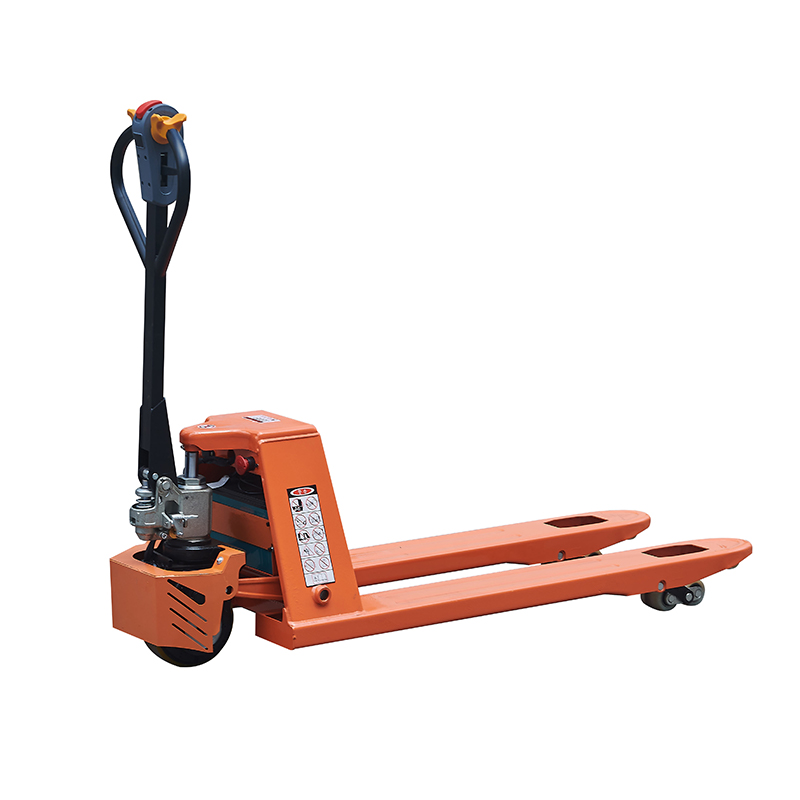
One of the most common decisions for buyers is selecting between a Manual Pallet Jack and an Electric Pallet Jack.
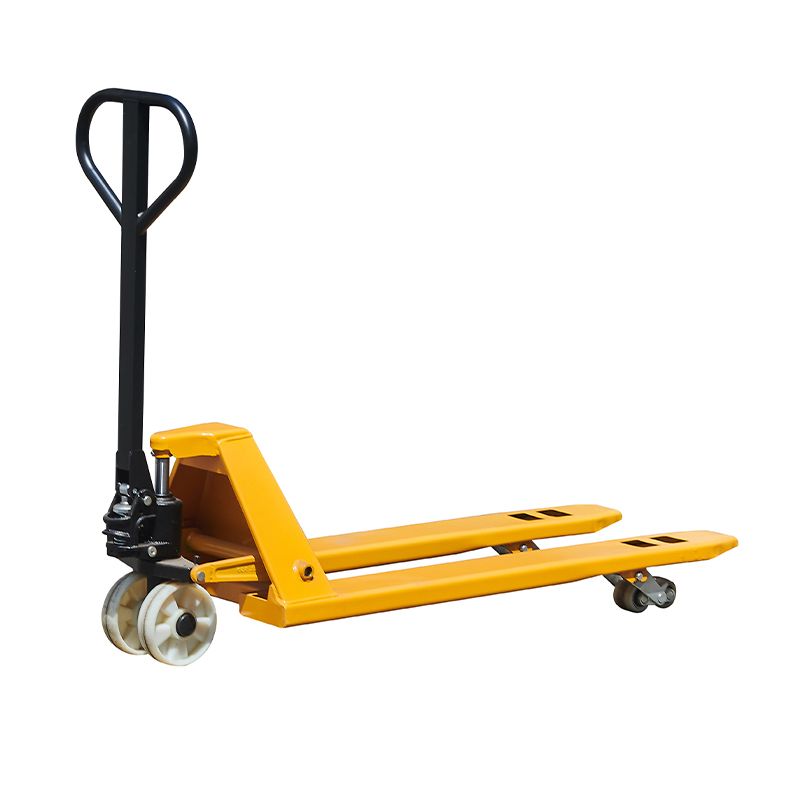
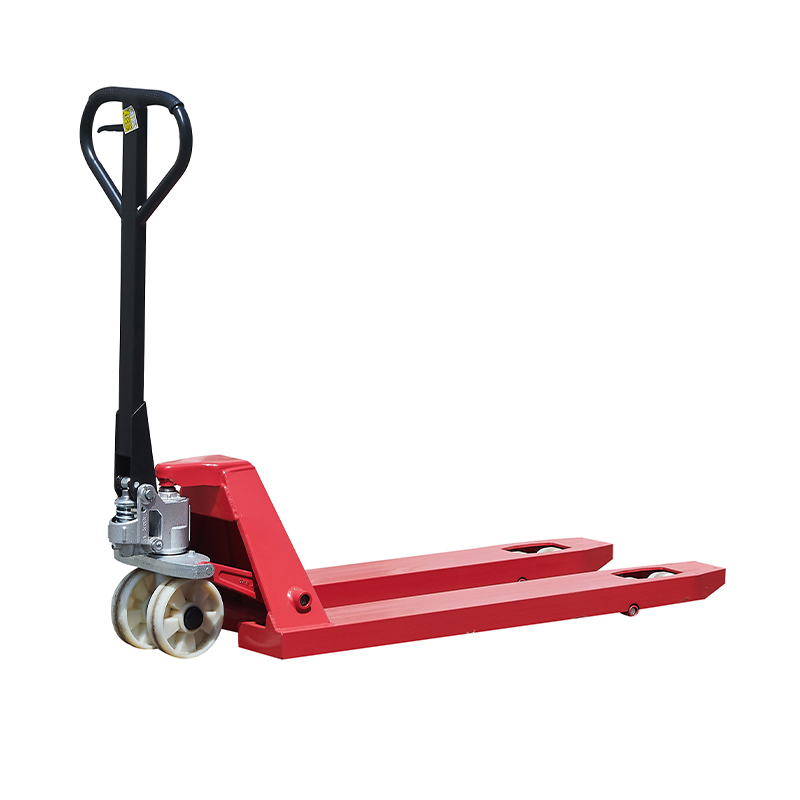
Manual Pallet Jack (Hand Pallet Jack / Jack Pallet Jack)
Manual pallet jacks are widely used in small warehouses, retail backrooms, and low-frequency operations.
They are suitable when:
- Daily pallet movement volume is relatively low
- Transport distance is short
- Budget is limited
- Floor space is tight but usage is occasional
However, in real operations, manual units often show limitations:
- Higher labor effort during peak hours
- Slower throughput in busy warehouses
- Not suitable for long repetitive transport cycles
This is why manual units are often used as backup or auxiliary tools, rather than primary equipment in high-volume logistics environments.
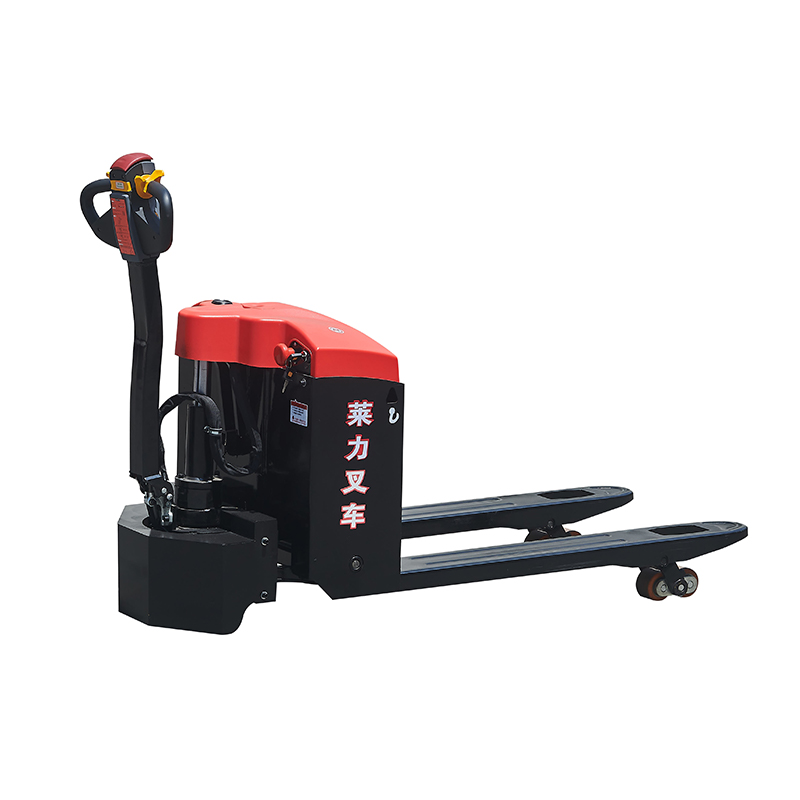
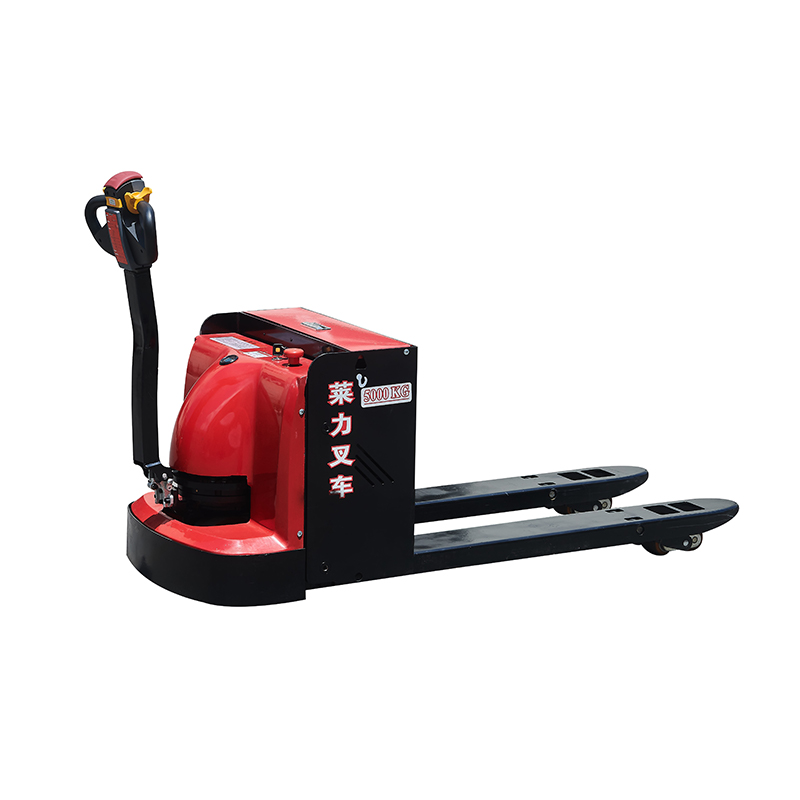
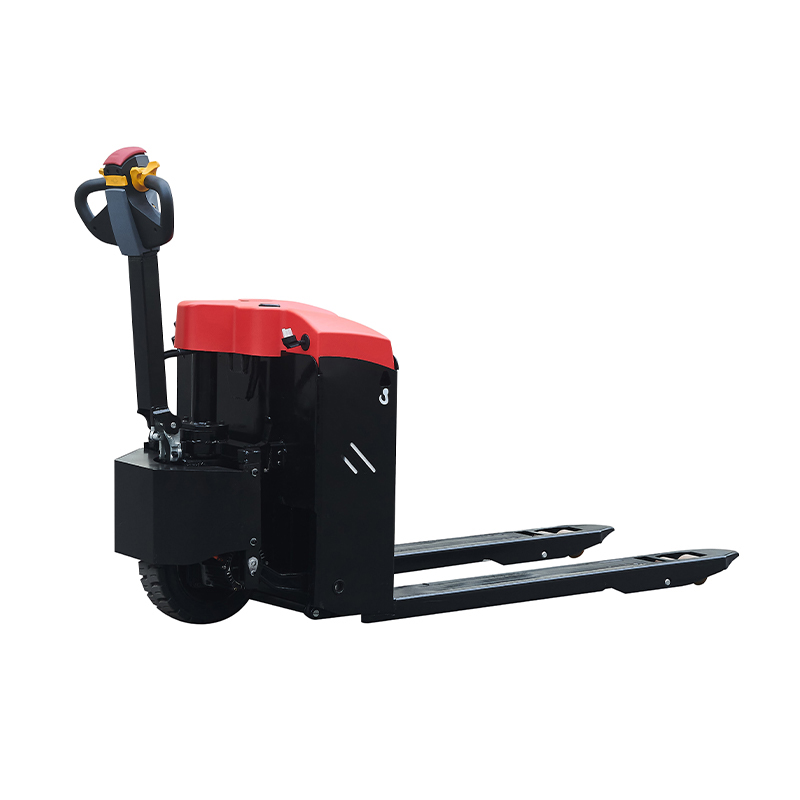
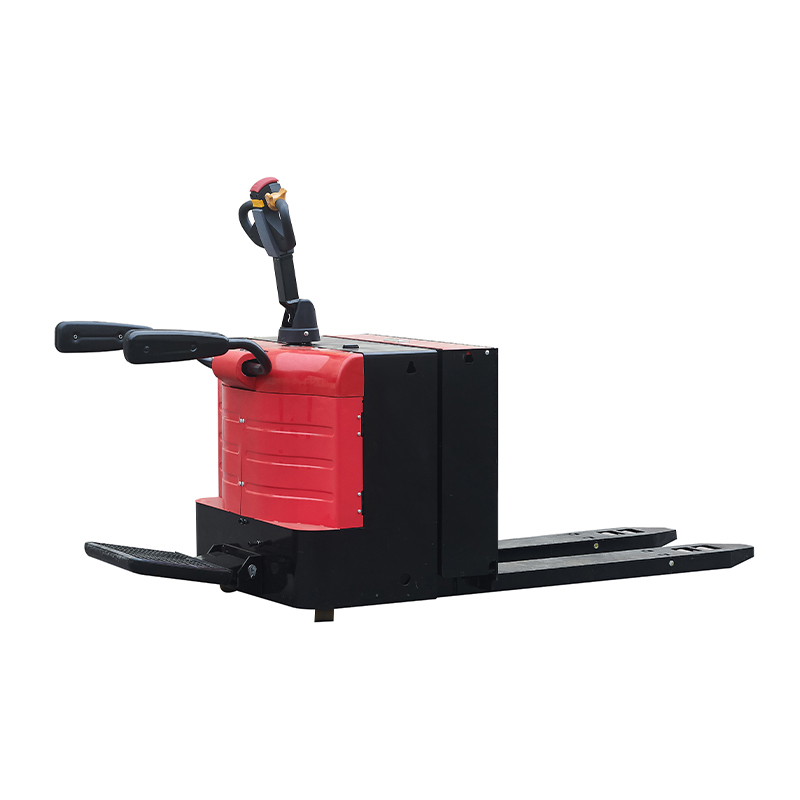
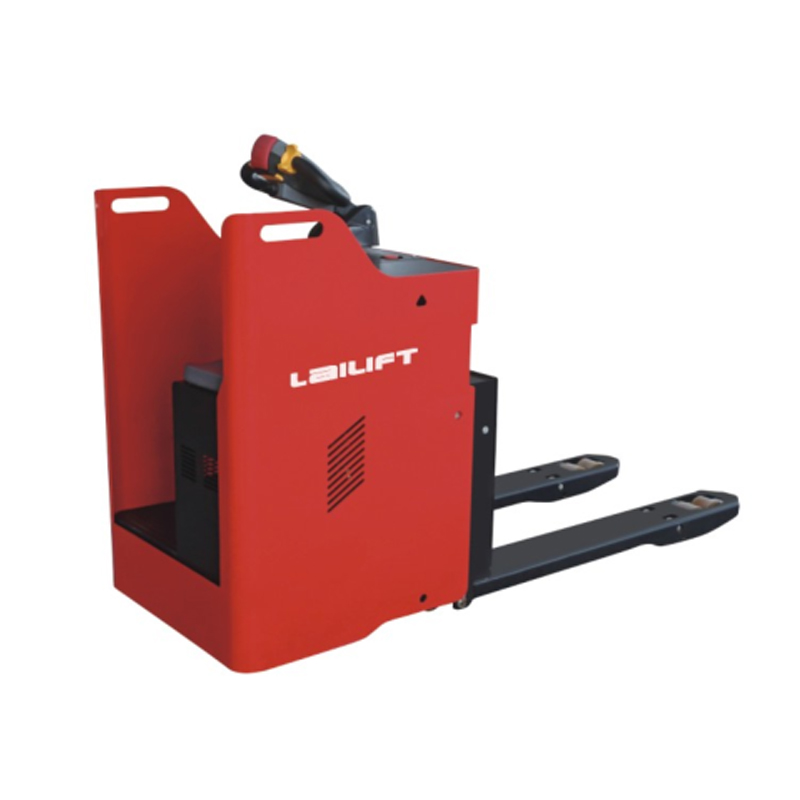
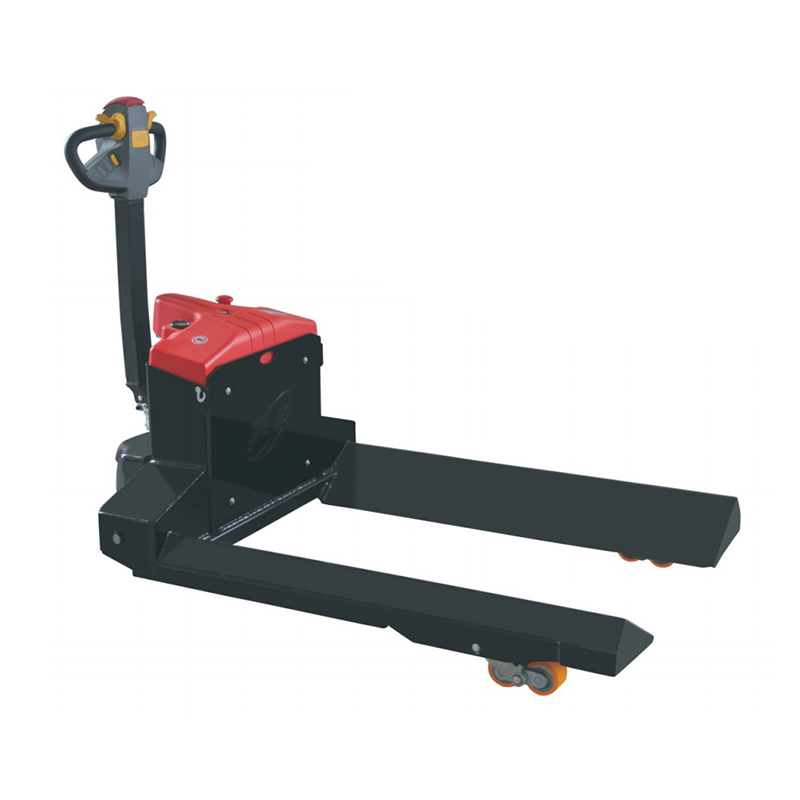
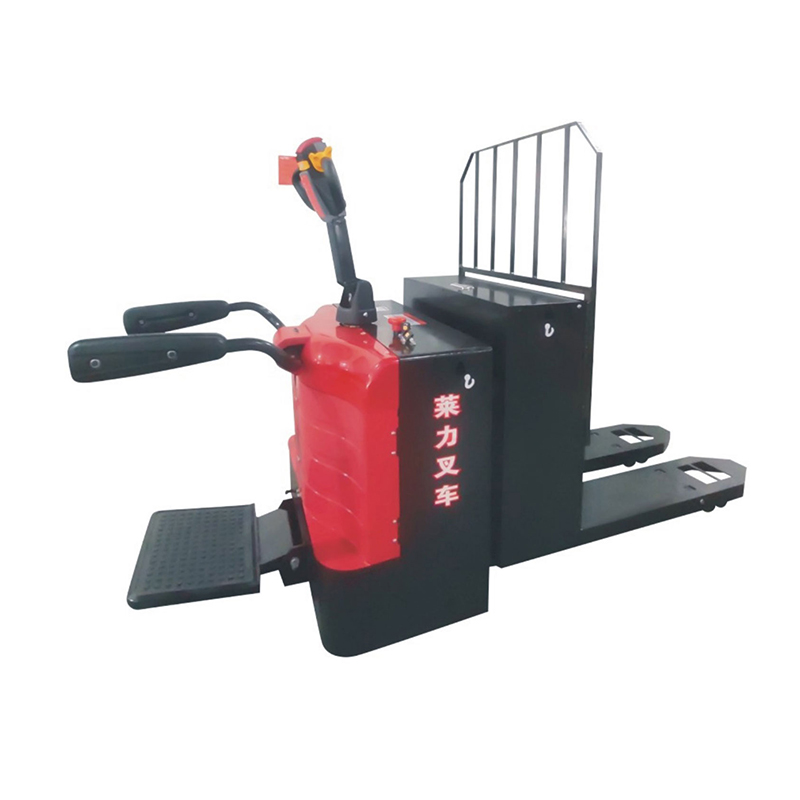
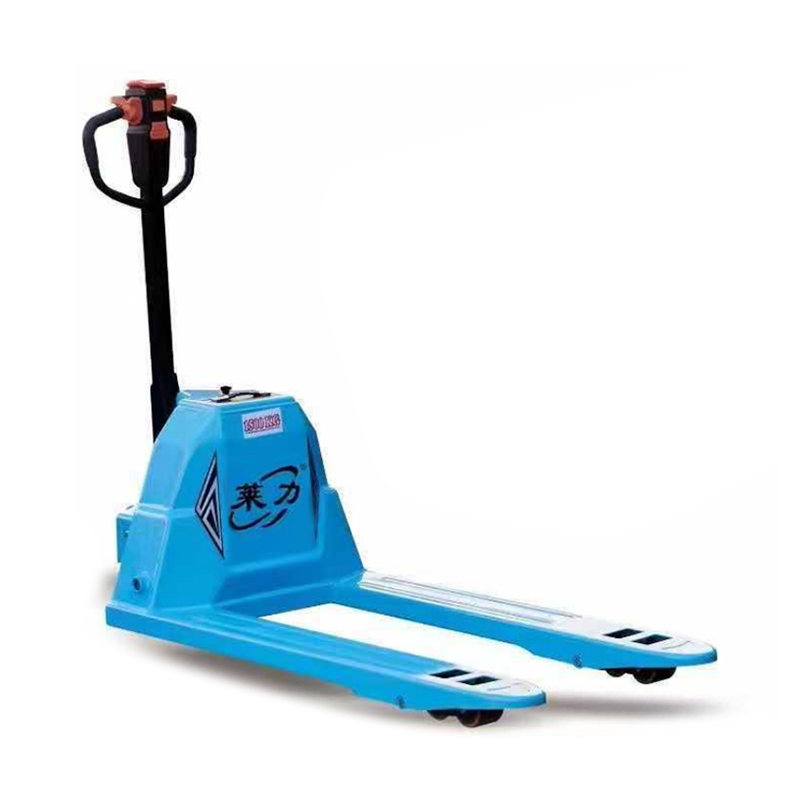
Electric Pallet Jack (High-Frequency Warehouse Operations)
Electric pallet jacks are widely adopted in medium and large-scale warehouse operations.
They are typically used in:
- E-commerce distribution centers
- Manufacturing assembly supply lines
- High-frequency loading dock operations
- Cold storage logistics environments
Key advantages include:
- Reduced operator fatigue during long shifts
- Higher travel speed across warehouse zones
- More stable handling for heavy or mixed loads
- Improved safety in congested aisles
For many Pallet Jack Suppliers, electric models have become the standard recommendation for industrial users because they directly reduce labor cost per pallet moved.
Pallet Truck Forklift vs Pallet Jack Systems
Many buyers compare Pallet Truck Forklift systems with standard pallet jack equipment, but in practice they serve different roles.
Forklift systems
Forklifts are designed for:
- High lifting height (multi-level racking systems)
- Heavy-duty loading and unloading
- Long-distance transport of bulk materials
However, forklifts are not always efficient for:
- Short-distance repetitive transport
- Narrow aisle environments
- High-frequency pallet repositioning
Pallet Jack systems
Pallet jacks are optimized for:
- Ground-level pallet movement
- Fast transfer between warehouse zones
- Low operating cost per cycle
- High-frequency daily usage
In many warehouse layouts, both systems coexist:
- Forklift handles “vertical + heavy-duty tasks”
- Pallet jack equipment handles “horizontal high-frequency tasks”
This separation significantly improves overall warehouse throughput efficiency.
How Pallet Jack Companies Differ in Real B2B Supply Chains
When evaluating Pallet Jack Companies, buyers are not only comparing products—they are evaluating long-term supply capability.
In industrial procurement, key differences usually include:
1. Manufacturing capability
Strong pallet jack manufacturers typically control:
- Frame welding and structural reinforcement
- Hydraulic system design and sealing performance
- Electric drive system integration
- Load testing and fatigue durability validation
This directly impacts long-term failure rate in warehouse operations.
2. Product range completeness
Reliable Pallet Jack Suppliers usually provide:
- Manual pallet jacks for basic operations
- Electric pallet jacks for high-frequency use
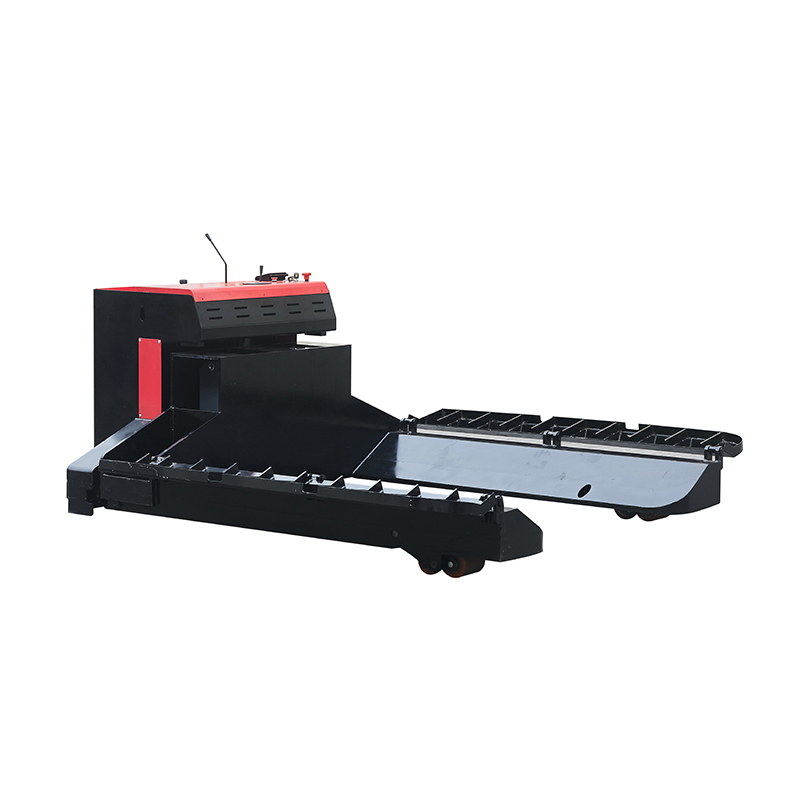
- Heavy-duty pallet trucks for industrial loads
- Customized pallet handling equipment for special sizes
A complete product range helps buyers standardize equipment across multiple warehouse zones.
3. After-sales and spare parts availability
In real warehouse operations, downtime is more expensive than equipment cost.
Professional suppliers ensure:
- Fast replacement of wheels, pumps, and controllers
- Stable hydraulic system maintenance support
- Long-term spare parts availability
Without this, even a low-cost pallet jack can become expensive during long-term use.
Application Scenarios of Pallet Jack Equipment
Manufacturing plants
In production environments, pallet jack equipment is used to:
- Supply raw materials to assembly lines
- Move semi-finished goods between stations
- Transport finished goods to storage areas
Efficiency here directly affects production continuity and line stability.
Warehousing and distribution centers
In logistics warehouses, pallet jacks are used for:
- Fast inbound unloading from trucks
- Temporary staging of goods
- High-frequency picking and shipping support
This is the most common usage scenario for electric pallet jack systems.
Retail and small warehouse operations
In retail back-end storage environments, manual pallet jacks are commonly used for:
- Stockroom replenishment
- Shelf inventory movement
- Daily small-batch logistics handling
Cold storage and special environments
In low-temperature environments:
- Battery performance of electric units becomes critical
- Hydraulic systems must resist temperature variation
- Anti-slip wheel materials are required for safety
How to Select the Right Pallet Jack Equipment
B2B buyers usually evaluate pallet jack equipment based on operational data rather than specifications alone.
Key selection factors include:
- Daily pallet movement volume
- Maximum and average pallet weight
- Warehouse aisle width
- Floor surface condition (epoxy, concrete, cold storage flooring)
- Shift length and operator workload
- Maintenance accessibility
In many cases, upgrading from manual pallet jack to electric pallet jack provides a faster ROI than expanding warehouse space or adding forklifts.
Why Pallet Jack Equipment Remains Essential in Modern Warehousing
Even with increasing automation in logistics, pallet jack equipment remains a core part of warehouse infrastructure because:
- It is flexible and does not require fixed tracks
- It supports mixed workflows (manual + automated zones)
- It adapts easily to layout changes
- It has low operational complexity
For most warehouses, pallet jack equipment is not a replacement technology—it is a foundational layer of daily material movement.

 English
 русский
 Español
 عربى
عربى
 Português