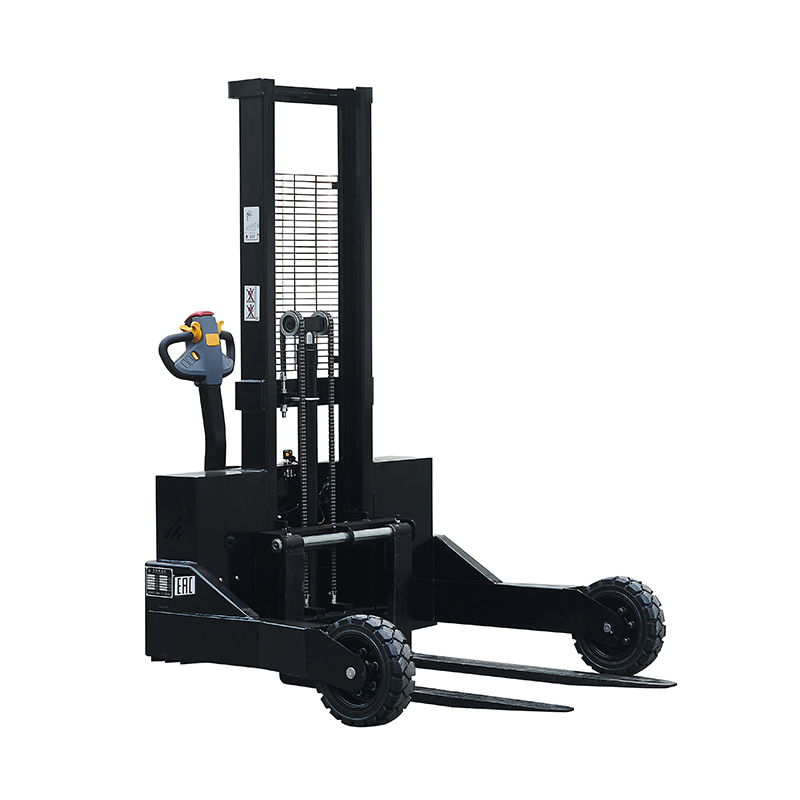
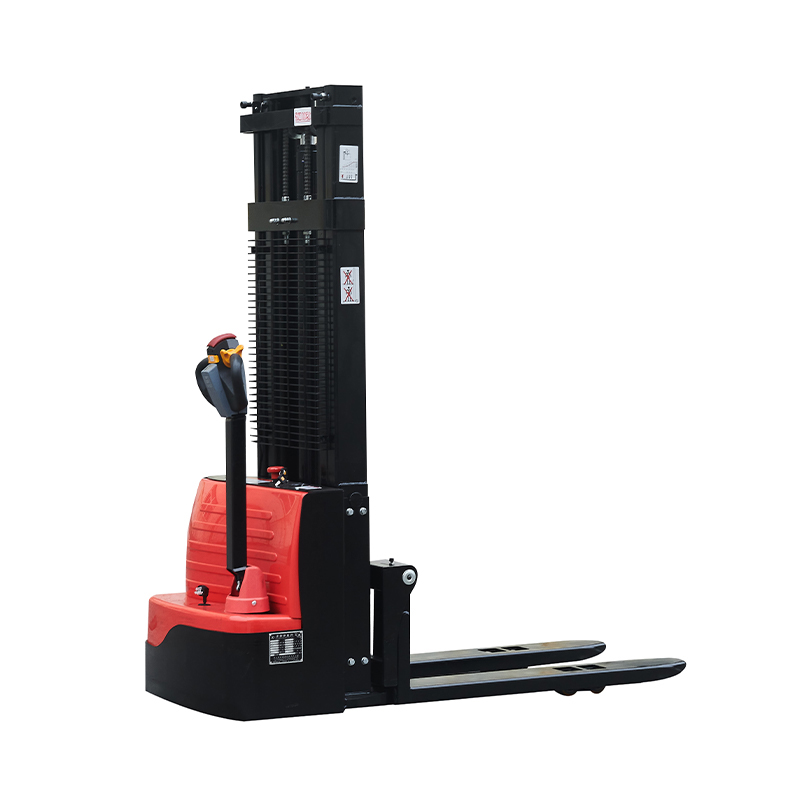
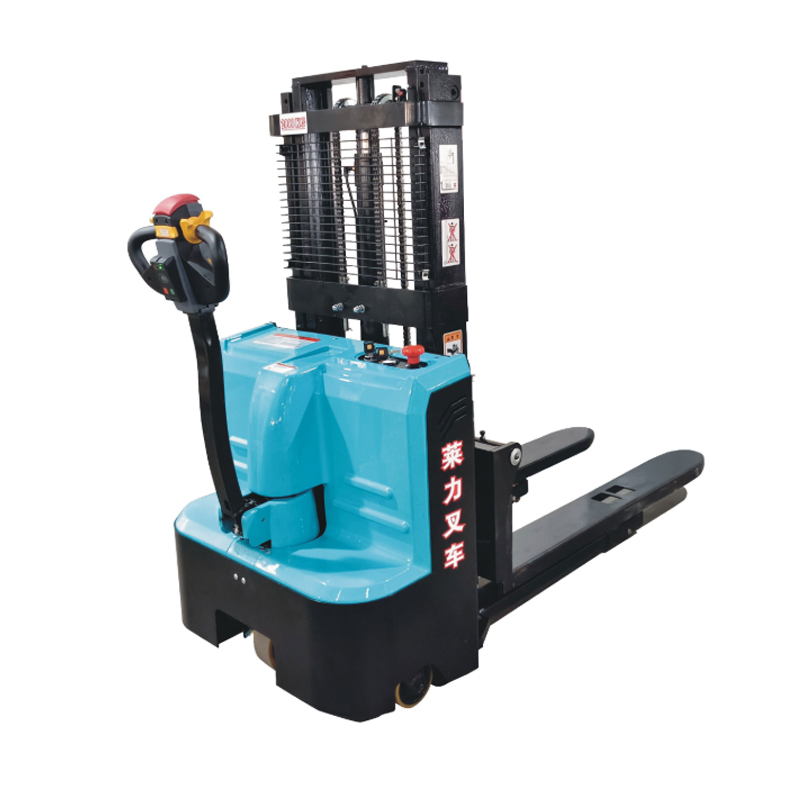
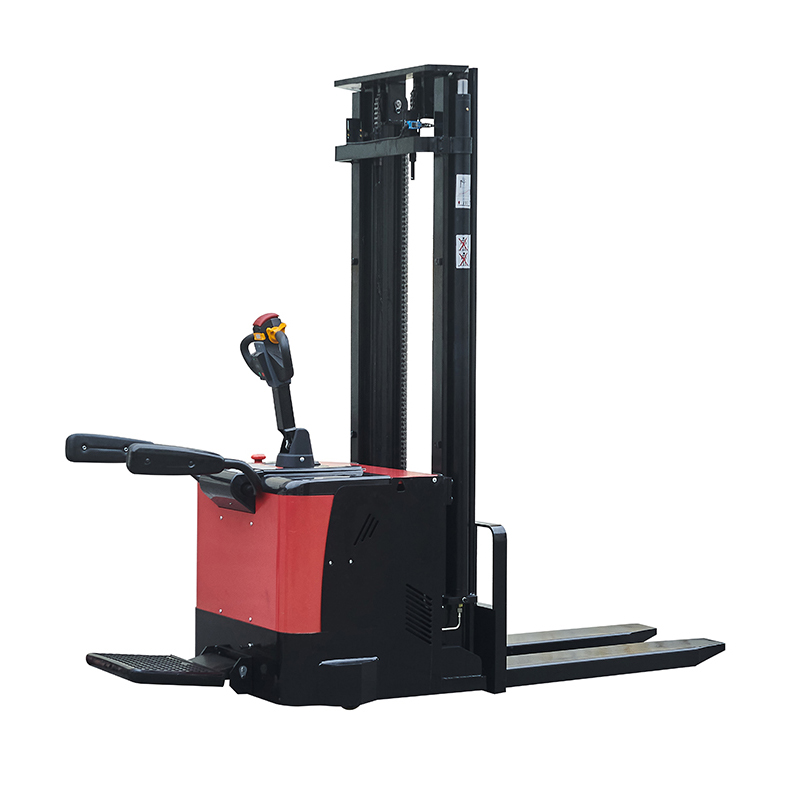
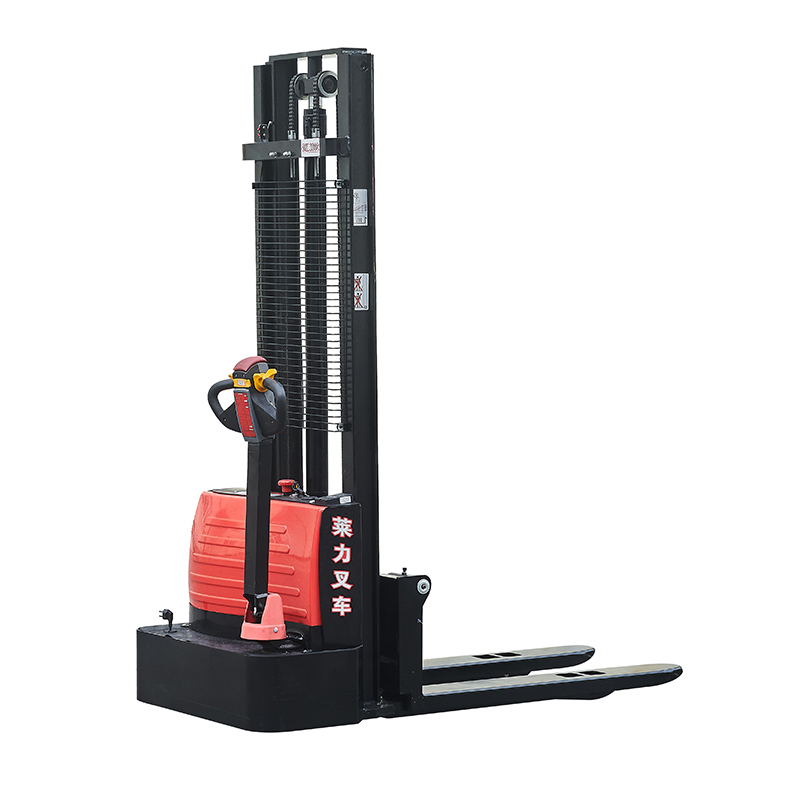
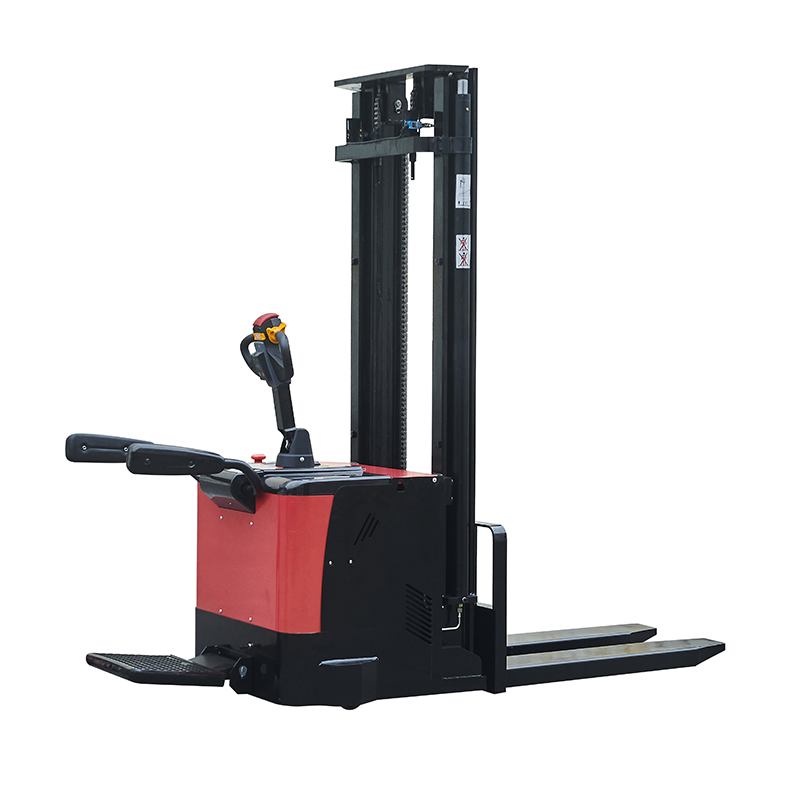
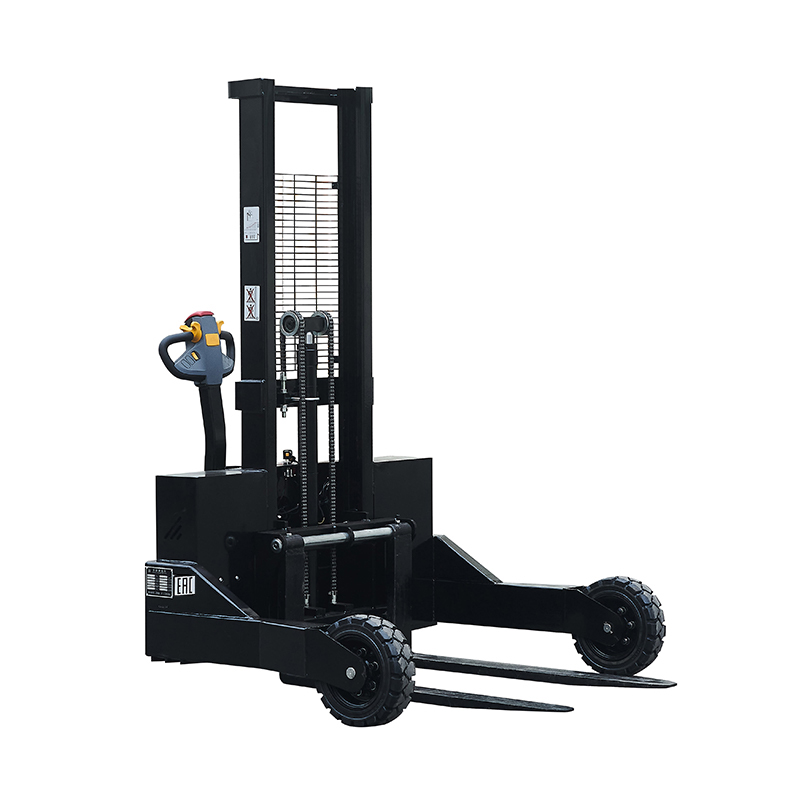
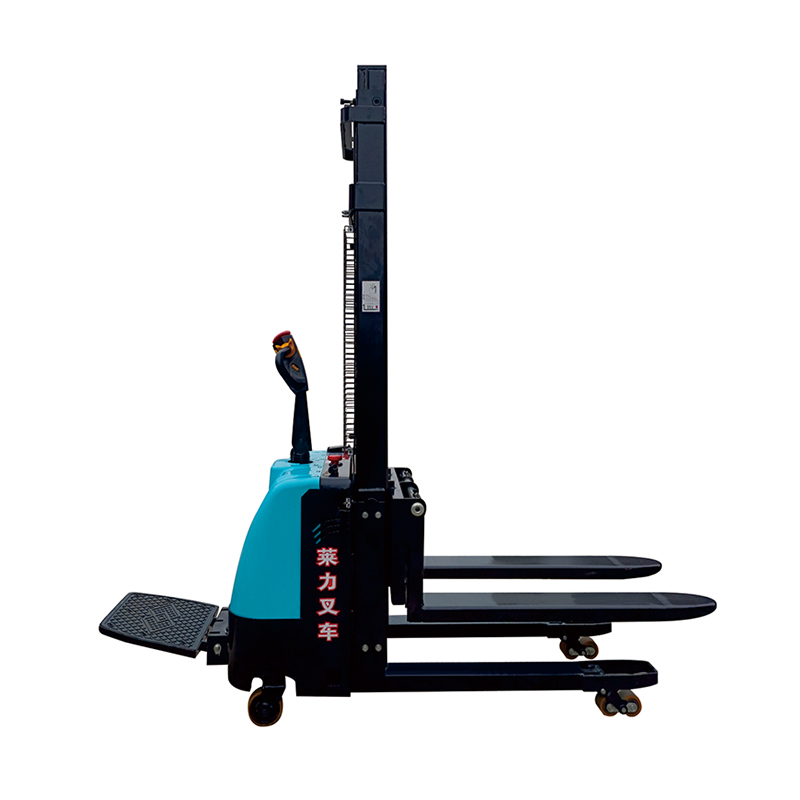
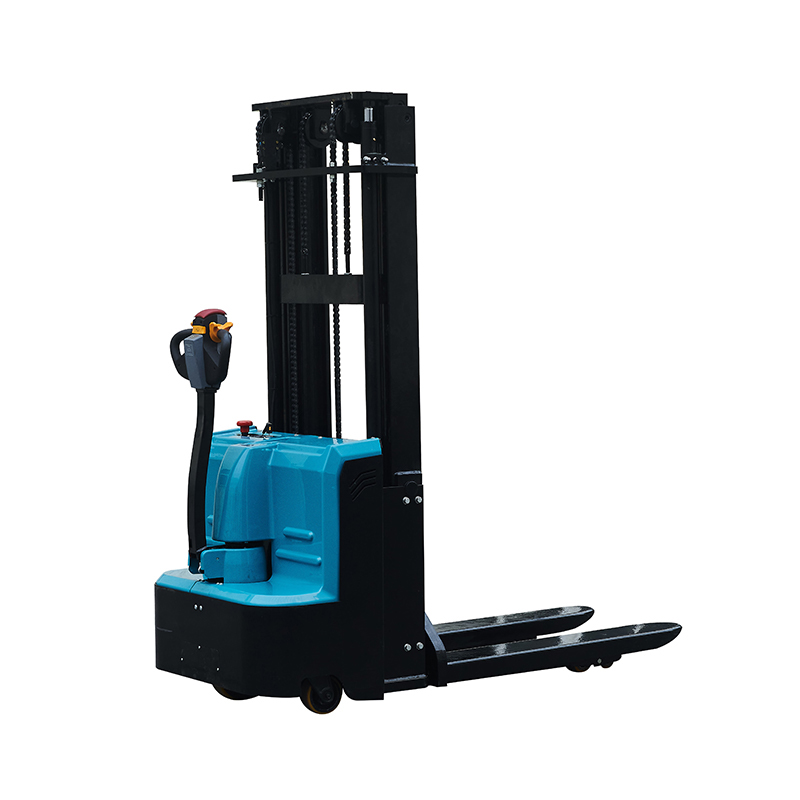
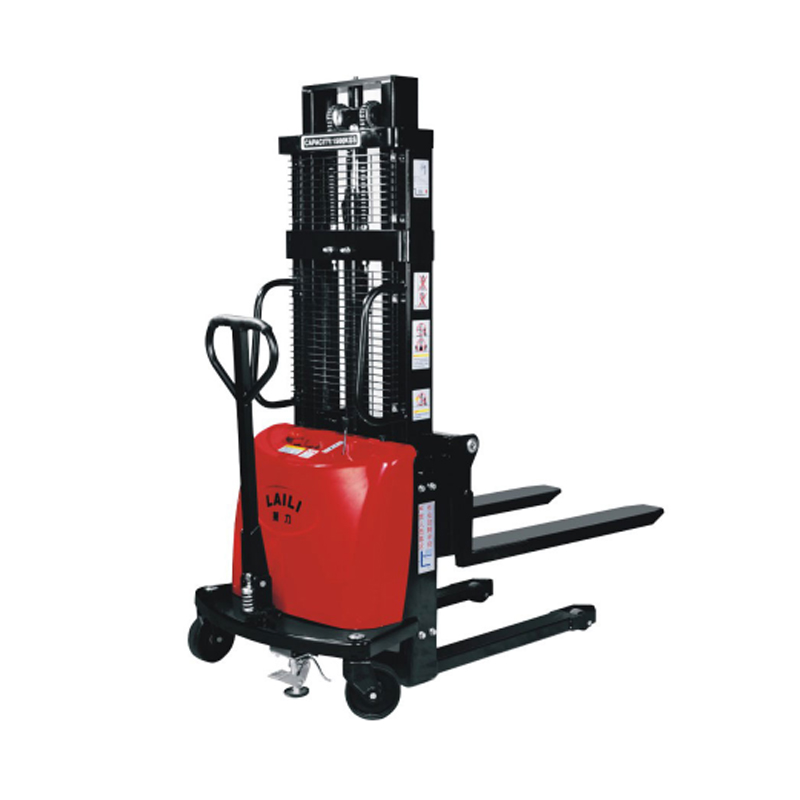
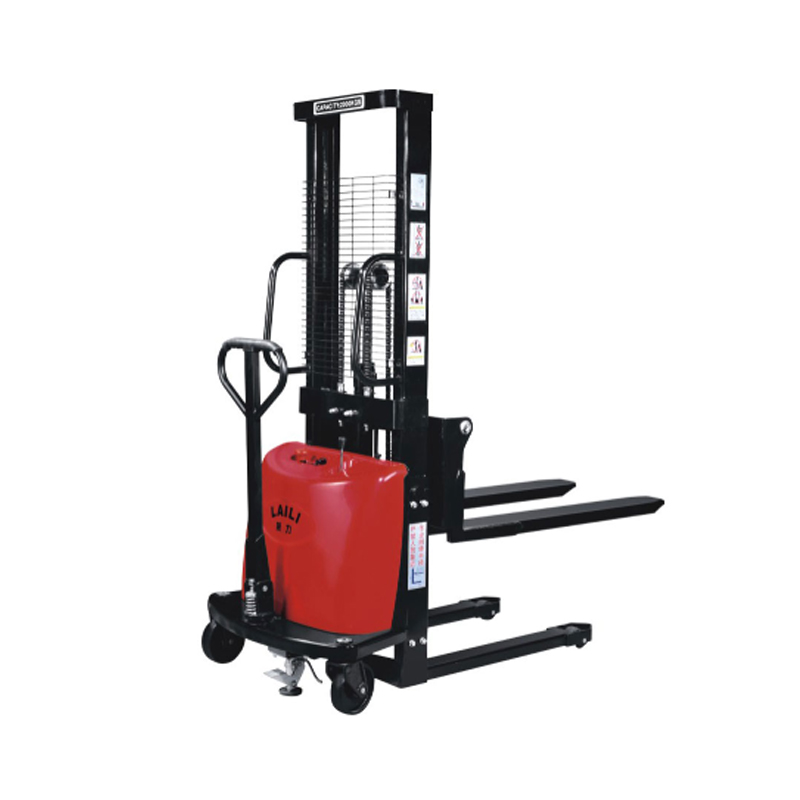
Warehouse Pallet Stacker & Pallet Trucks Industrial Material Handling Solutions
In modern warehouse and manufacturing environments, efficient material movement is not only about lifting or transporting goods—it is about controlling workflow speed, reducing manual labor, and improving space utilization. This is where Warehouse Pallet Stacker, Jack Stacker, and Pallet Trucks play a critical role in daily operations.
Unlike large forklifts used for heavy-duty logistics, these equipment types are designed for flexible, medium-to-light material handling tasks, especially in narrow aisles, production lines, and high-frequency warehouse zones.
For B2B buyers searching for reliable Warehouse Pallet Stacker suppliers or industrial Pallet Trucks systems, the real focus is not just equipment performance—but whether the solution can reduce bottlenecks in real operational conditions.
What Warehouse Pallet Stacker Actually Solves in Real Operations
In real warehouse environments, a Warehouse Pallet Stacker is primarily used to bridge the gap between manual handling and forklift systems.
Typical pain points include:
- Pallets need to be lifted to medium-height racking levels
- Forklifts are too large or too expensive for light vertical stacking tasks
- Manual handling cannot support vertical lifting safely
- Warehouse space is limited, requiring vertical storage optimization
- Production lines require frequent material feeding at different heights
In these scenarios, pallet stackers become a key productivity tool.
A typical warehouse workflow using stackers looks like:
Receiving → Ground staging → Vertical storage (racking) → Picking → Production line supply
The Warehouse Pallet Stacker is most commonly used in the vertical transition stage, where pallet loads need to move from ground level to shelving systems.
This is especially important in small and medium warehouses where full forklift systems are not economically efficient.
Jack Stacker: Flexible Vertical Handling for Tight Warehouse Space
A Jack Stacker is often used as a compact lifting solution for warehouses with limited aisle width and medium load requirements.
Compared to forklifts or large stackers, jack stackers are more suitable for:
- Narrow aisle warehouse environments
- Small production workshops
- Retail distribution storage areas
- Low to medium lifting height operations
Real operational problems solved by jack stacker systems:
- Manual lifting causes frequent worker injuries and fatigue
- Pallets need to be lifted 1–3 meters into shelving systems
- Space is too limited for forklift turning radius
- Frequent short-cycle lifting tasks slow down production flow
In real factory use, jack stackers are often placed near:
- Assembly lines for material feeding
- Packing stations for height adjustment
- Small storage racks for fast picking cycles
A key advantage of jack stacker systems is operational flexibility. Unlike fixed lifting systems, they can be moved and repositioned easily based on production demand.
Pallet Trucks: The Core of Horizontal Material Movement
While stackers focus on vertical lifting, Pallet Trucks are the most widely used equipment for horizontal movement inside warehouses and factories.
In almost every warehouse operation, pallet trucks handle the majority of daily transport tasks.
Typical applications include:
- Moving pallets from receiving docks to storage areas
- Transporting goods between production stations
- Feeding materials into packing or assembly lines
- Loading and unloading short-distance logistics zones
Why pallet trucks are still essential even in automated warehouses
Even with increasing automation, pallet trucks remain necessary because:
They require no fixed infrastructure
They can operate in flexible warehouse layouts
They support mixed workflows (manual + electric systems)
They are cost-efficient for short-distance movement
In real operations, pallet trucks are often the most frequently used material handling tool per shift, especially in fast-moving warehouse environments.
Warehouse System Logic: How Stacker and Pallet Truck Work Together
In efficient warehouse design, Warehouse Pallet Stacker and Pallet Trucks are not separate tools—they are a combined system.
A typical optimized workflow looks like:
Step 1: Pallet arrival and unloading
Pallet trucks move goods quickly from truck unloading zones to staging areas.
Step 2: Horizontal distribution
Pallet trucks transfer goods between warehouse zones efficiently.
Step 3: Vertical storage
Warehouse pallet stackers place goods into racking systems.
Step 4: Retrieval and dispatch
Stackers and pallet trucks work together for picking and outbound logistics.
This system is widely used in:
- Manufacturing supply warehouses
- E-commerce fulfillment centers
- Spare parts distribution warehouses
- Light industrial production facilities
The key advantage is task separation:
- Pallet trucks handle speed and horizontal flow
- Stackers handle vertical space utilization
Why Many Warehouses Combine Jack Stacker and Pallet Trucks Instead of Forklifts
Forklifts are powerful but not always efficient for all warehouse scenarios.
Common limitations of forklifts include:
- High operating cost per hour
- Large turning radius requirements
- Overcapacity for small load tasks
- Higher maintenance complexity
In contrast, combining Jack Stacker + Pallet Trucks provides:
- Lower operating cost
- Higher flexibility in tight spaces
- Better efficiency for repetitive workflows
- Easier operator training and deployment
This combination is especially effective in warehouses with:
- Medium storage height (2–5 meters)
- High frequency short-distance movement
- Mixed SKU inventory systems
- Limited aisle width
Industrial Application Scenarios
Manufacturing plants
In production environments, these systems are used for:
- Raw material feeding to production lines
- Semi-finished product transfer
- Work-in-progress movement between stations
The main goal is to ensure continuous production flow without downtime caused by material shortage.
Warehouse distribution centers
In logistics warehouses, pallet trucks and stackers are used for:
- Fast inbound unloading operations
- Temporary staging and sorting
- High-frequency outbound shipping support
Efficiency here directly affects order fulfillment speed.
Small and medium storage facilities
In smaller warehouses, jack stackers often replace forklifts because:
- Space is limited
- Load volume is moderate
- Flexibility is more important than lifting height
Retail and cold storage environments
In retail storage and cold chain logistics:
- Equipment must be compact and easy to maneuver
- Battery efficiency and hydraulic stability are critical
- Low-temperature durability is required
How to Select the Right Warehouse Pallet Stacker and Pallet Trucks
For B2B buyers, selection is not only about specification—it is about matching equipment with workflow.
Key evaluation factors include:
- Daily pallet movement frequency
- Maximum load weight per cycle
- Required lifting height (for stackers)
- Aisle width and turning space
- Shift length and labor intensity
- Warehouse layout structure
A common mistake in procurement is over-investing in forklifts while underusing stackers and pallet trucks, which actually handle most daily operations.
In many cases, optimizing pallet truck usage alone can improve warehouse efficiency by more than 30%.

 English
 русский
 Español
 عربى
عربى
 Português