Electric Pallet Stacker Systems for Warehouse Vertical Handling and Material Flow Optimization
In modern warehouse and manufacturing environments, material handling efficiency is no longer defined only by horizontal movement. As storage density increases and warehouse space becomes more expensive, vertical handling capability becomes a key productivity factor.
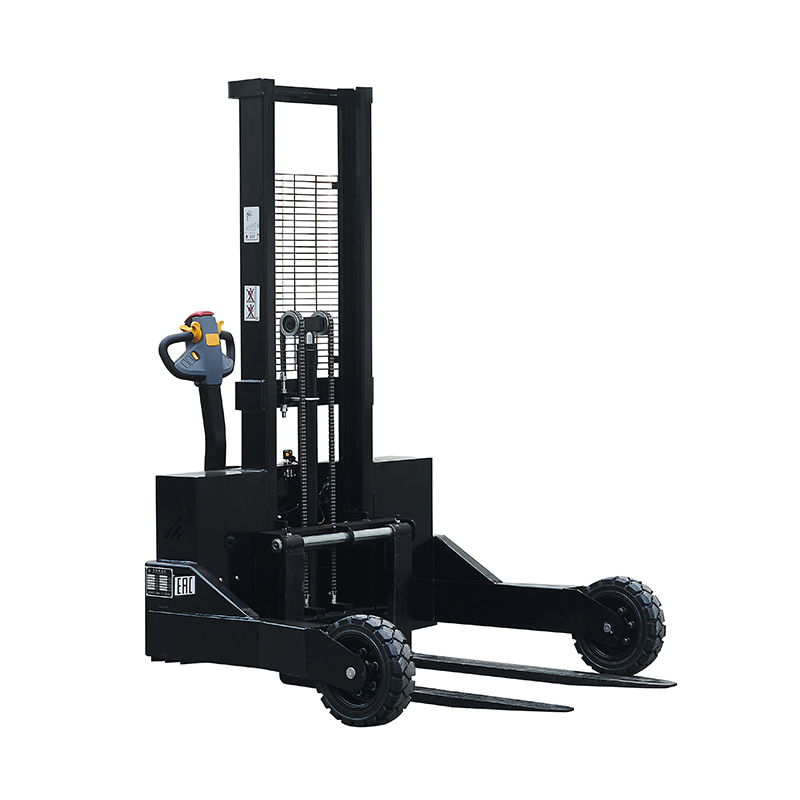
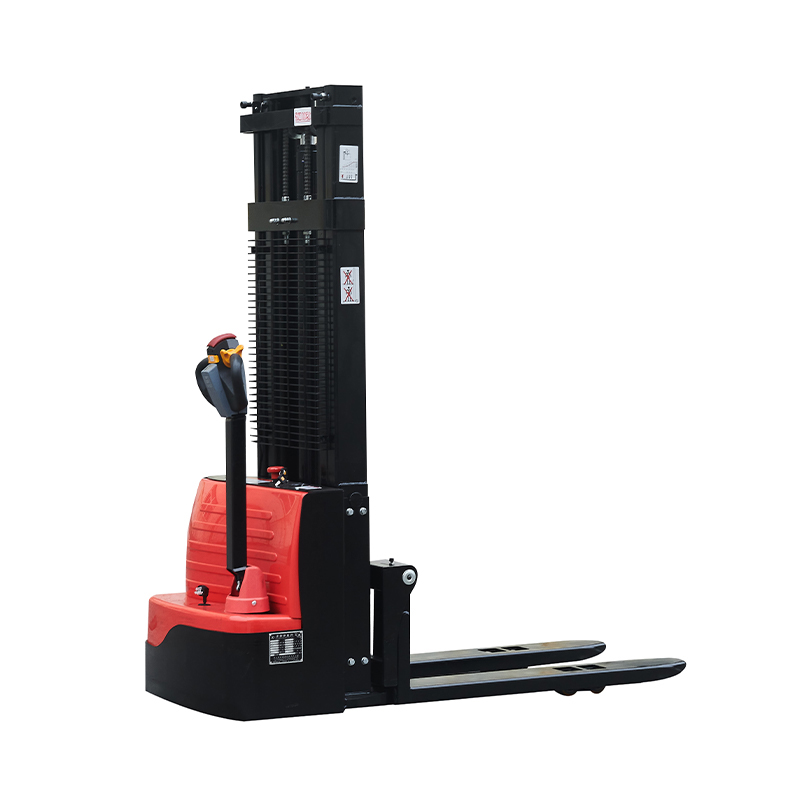
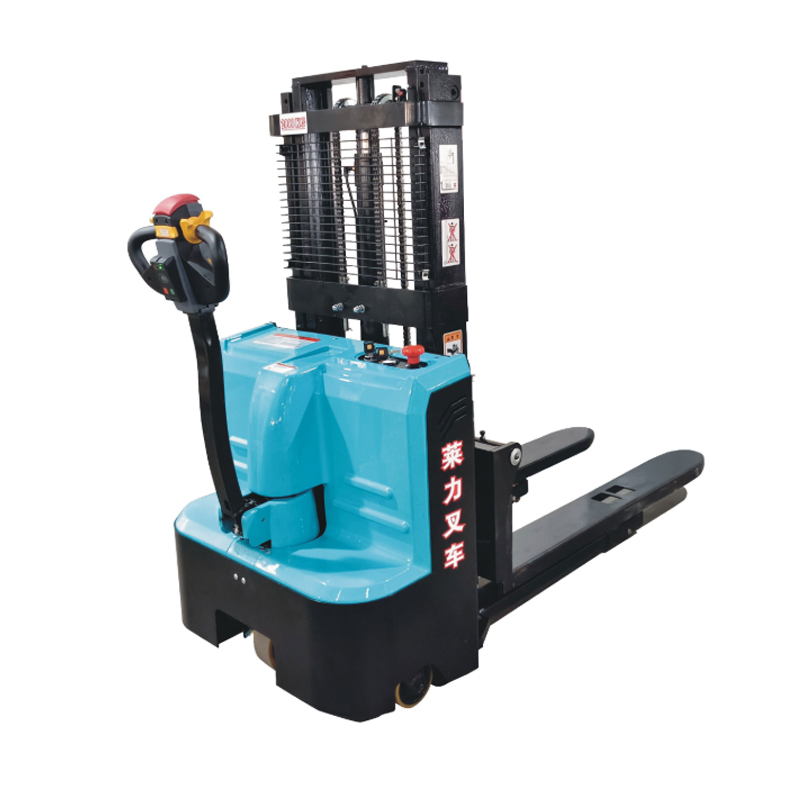
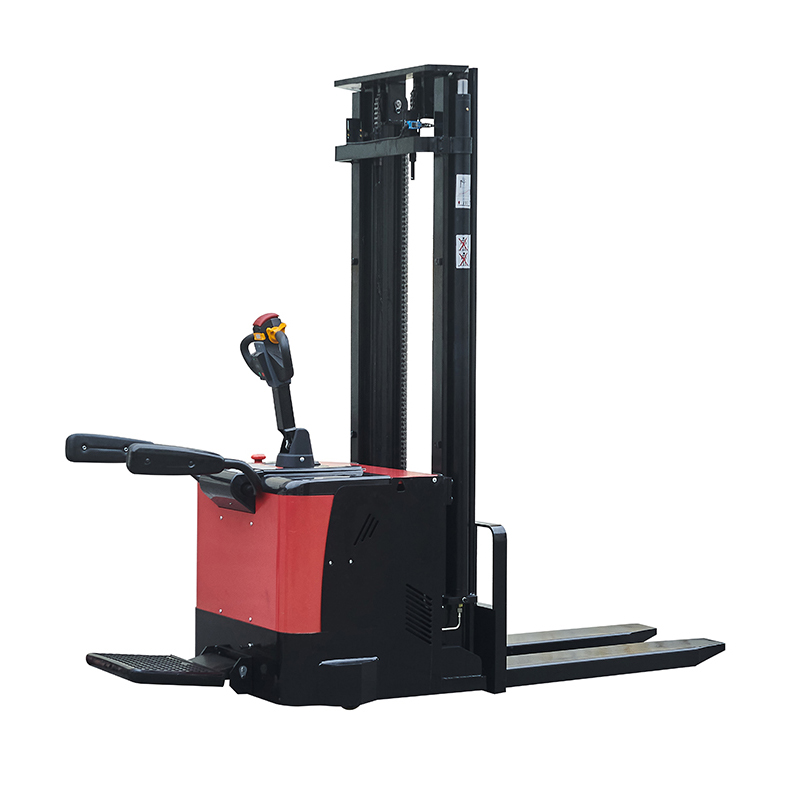
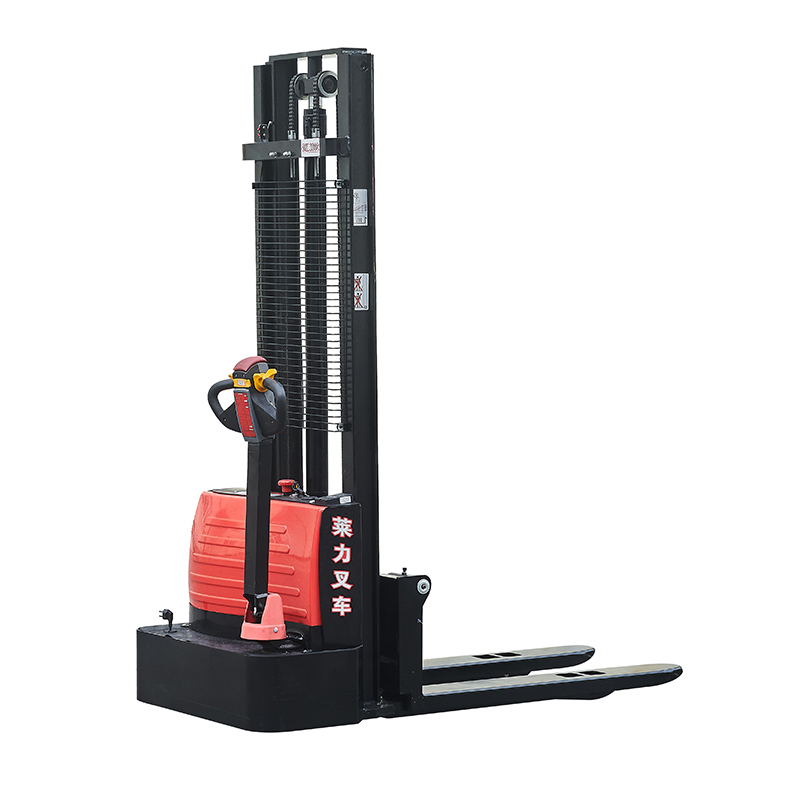
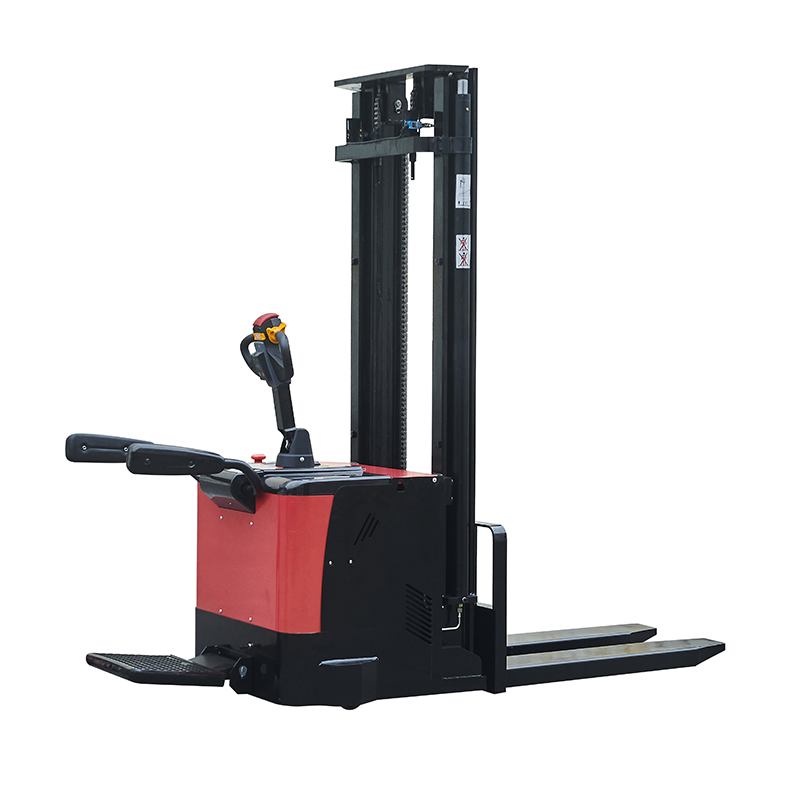
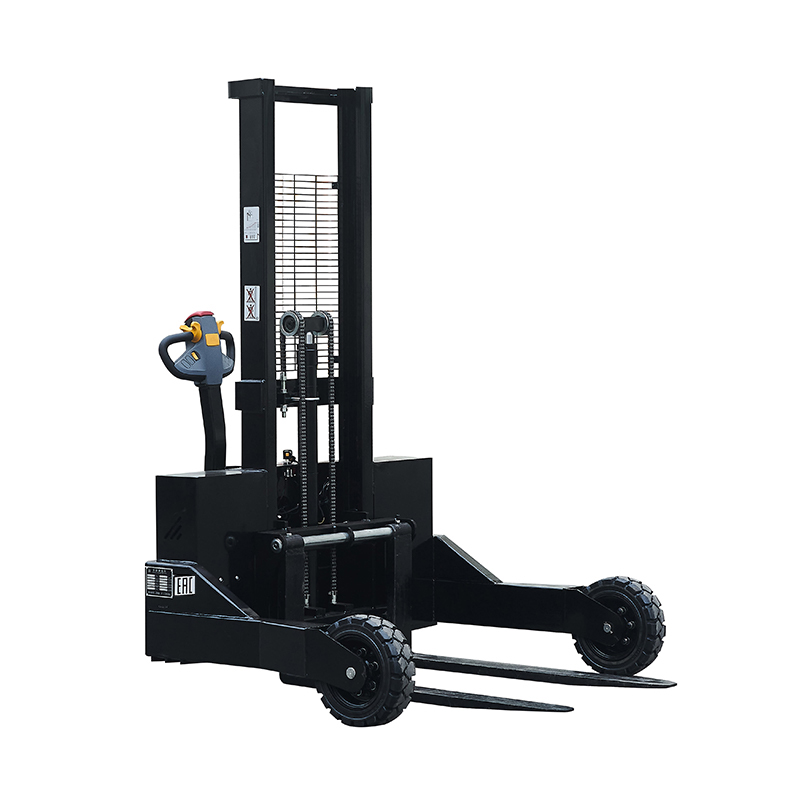
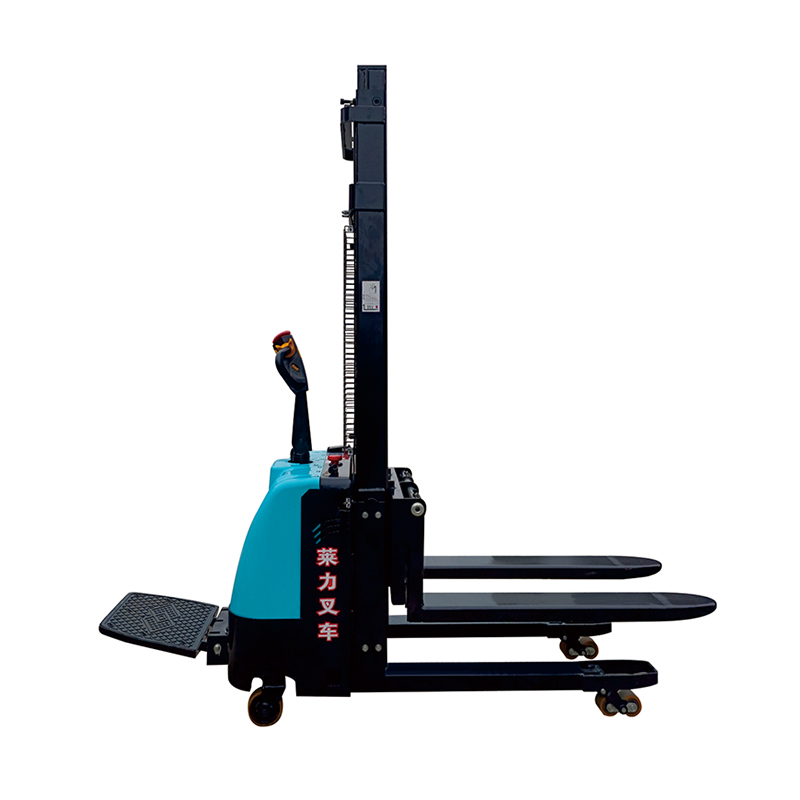
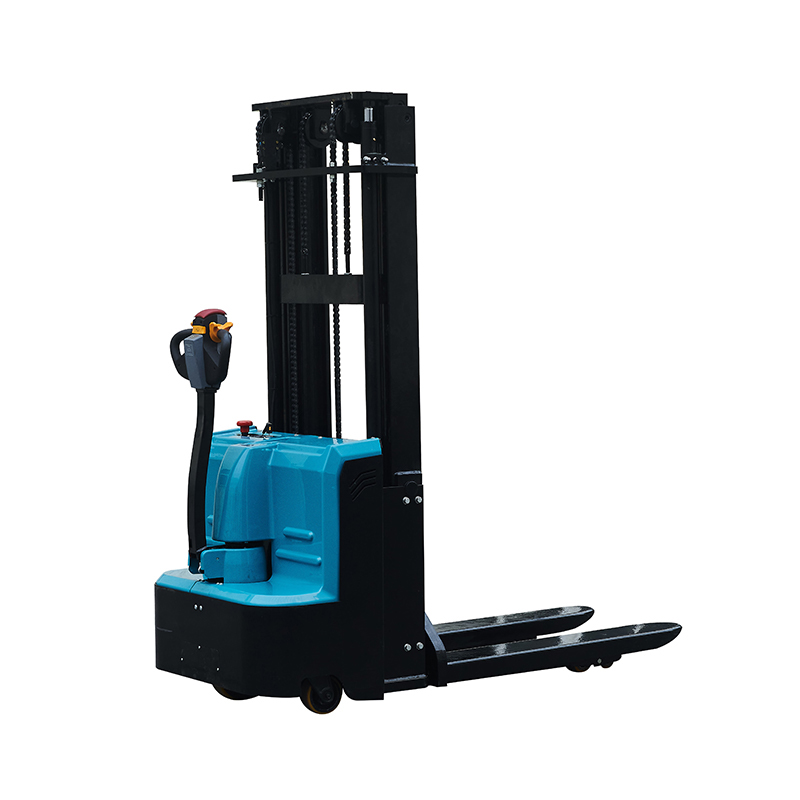
This is where equipment such as Electric Pallet Jack Stacker, Fully Electric Pallet Stacker, Electric Pallet Stacker Truck, and Powered Walkie Stacker systems becomes essential.
Unlike standard pallet jacks that focus only on ground-level transport, electric stackers are designed to solve a more complex problem:
moving pallets efficiently from ground level into multi-level racking systems without relying on forklifts.
For many B2B warehouse operators, these systems are not optional upgrades—they are core infrastructure for space utilization and workflow stability.
1. Why Warehouses Shift to Electric Pallet Stacker Systems
In real warehouse operations, the shift toward Electric Pallet Stacker systems usually happens when three problems appear:
- Storage space is no longer sufficient at ground level
- Forklifts are too expensive or oversized for daily internal stacking
- Manual lifting causes safety risks and slow throughput
At this stage, companies begin evaluating:
- Electric Pallet Stacker Truck systems for daily warehouse use
- Electric Walkie Pallet Stacker for narrow aisle operations
- Battery Pallet Stacker for flexible multi-shift environments
Real operational trigger:
A typical warehouse upgrade scenario:
- Pallets are arriving faster than they can be stored
- Operators are manually repositioning goods multiple times
- Forklifts are blocked by narrow aisle design
- Vertical racking exists but is underutilized
The result is a storage bottleneck, not a transport problem.
Electric stackers solve this by enabling controlled vertical movement at medium lifting heights without forklift-level infrastructure.
2. Electric Pallet Jack Stacker: The Hybrid Workflow Solution
The Electric Pallet Jack Stacker is widely used in warehouses that require both horizontal movement and vertical lifting in a single system.
Typical use case:
- Move pallet from receiving dock
- Transport it across warehouse floor
- Lift it into shelving system without switching equipment
This reduces:
- Equipment switching time
- Operator fatigue
- Forklift dependency
Real warehouse benefit:
In medium-sized logistics centers, one electric pallet jack stacker can replace:
- 1 forklift for internal stacking tasks
- 1 manual pallet jack for transport tasks
- Multiple operator transitions per shift
This is why it is often the first semi-automation upgrade step in warehouse modernization.
3. Fully Electric Pallet Stacker: High-Frequency Industrial Use
A Fully Electric Pallet Stacker is designed for continuous operation environments where both driving and lifting are fully motorized.
It is commonly used in:
- E-commerce fulfillment centers
- Manufacturing production warehouses
- High-frequency distribution hubs
Key operational problems it solves:
- Manual lifting fatigue during multi-shift operation
- Slow pallet repositioning in high-density storage zones
- Inconsistent stacking speed under peak demand
Real-world workflow:
- Receiving → automatic transport
- Storage → electric vertical stacking
- Picking → fast retrieval without manual lifting
Fully electric systems are not just equipment upgrades—they represent a shift toward continuous-flow warehouse operations.
4. Electric Walkie Pallet Stacker in Narrow Aisle Warehousing
A major limitation in many warehouses is aisle width.
Forklifts require turning space, but many modern warehouses are designed with:
Narrow aisle racking systems
High-density vertical storage
Limited turning radius environments
This is where the Electric Walkie Pallet Stacker becomes critical.
Real application environment:
- Narrow warehouse aisles below forklift operating width
- Retail distribution storage rooms
- Small-to-medium manufacturing workshops
Operational advantage:
- Walk-behind control improves precision
- Reduced collision risk in tight spaces
- Better visibility during stacking operations
In real warehouse upgrades, walkie stackers are often introduced when forklifts start causing space inefficiency rather than solving it.
5. Battery Pallet Stacker: Power System and Shift Efficiency
A Battery Pallet Stacker is not just a lifting device—it is a workflow continuity tool.
Battery selection directly affects:
- Shift length capability
- Charging downtime
- Peak operation stability
Real warehouse issue:
Many warehouses experience:
- Equipment downtime during peak order periods
- Slow recharge cycles affecting productivity
- Battery degradation under heavy load cycles
Operational solution:
Battery pallet stackers are used to:
- Support multi-shift warehouse operations
- Reduce dependency on fuel-powered equipment
- Stabilize energy consumption in indoor environments
Lithium battery systems are increasingly used in high-frequency warehouses due to faster charging and longer cycle life.
6. Electric Pallet Stacker Truck vs Powered Walkie Stacker Systems
In real procurement discussions, Electric Pallet Stacker Truck and Powered Walkie Stacker often overlap in functionality, but they reflect different usage priorities.
Electric Pallet Stacker Truck:
- Focus on structured warehouse transport + stacking
- Used in medium-to-large logistics centers
- Higher load stability and consistent performance
Powered Walkie Stacker:
- Focus on operator-controlled movement in tight spaces
- Better for flexible warehouse layouts
- Easier training and lower learning curve
Real deployment pattern:
Most warehouses combine both:
- Truck-type stackers for main storage flow
- Walkie stackers for flexible zone handling
This hybrid structure improves flow segmentation efficiency.
7. Fully Powered Stackers Electric: Industrial Workflow Integration
A Fully Powered Stackers Electric system represents a complete shift from manual or semi-electric handling to fully motorized warehouse movement.
Key improvements:
- No manual lifting required
- Stable lifting speed under load
- Reduced operator physical strain
- Better consistency in stacking accuracy
Real factory benefit:
In production warehouses, fully powered systems ensure:
- Continuous supply to assembly lines
- Reduced delays in material replenishment
- Stable workflow during high-demand cycles
8. How Electric Pallet Stacker Systems Work in Real Warehouse Flow
In real warehouse operations, electric stackers are not used independently—they form part of a vertical + horizontal handling system.
Typical workflow:
Step 1: Receiving
Electric Pallet Jack Stacker or walkie stacker moves incoming pallets.
Step 2: Storage
Electric pallet stacker truck places goods into racking systems.
Step 3: Picking
Powered walkie stacker retrieves pallets from shelves.
Step 4: Dispatch
Fully electric pallet stacker transfers goods to shipping zone.
This system ensures:
- Reduced forklift dependency
- Higher warehouse space utilization
- Faster vertical movement cycles
- Lower labor intensity per shift
9. Why Electric Pallet Stacker Systems Are Replacing Forklifts in Medium Warehouses
Forklifts remain essential for heavy-duty logistics, but in many medium warehouses, they are being partially replaced by electric stackers due to:
- Lower operating cost
- Better space utilization in narrow aisles
- Easier operator training
- Reduced maintenance complexity
In many real cases, forklifts are retained only for:
- Container loading/unloading
- Outdoor heavy transport
- Large-scale logistics operations
While stackers handle 80% of internal warehouse movement tasks.
10. Real Operational Insight: Where Efficiency Actually Comes From
From real warehouse optimization projects, the biggest efficiency gains do not come from increasing equipment power—but from correct segmentation of movement tasks:
- Forklifts → heavy external logistics
- Electric pallet stackers → internal vertical handling
- Walkie stackers → flexible narrow aisle operations
- Battery systems → continuous workflow support
A common operational conclusion is:
Most warehouse inefficiency comes from mixing tasks on the wrong equipment type.

 English
 русский
 Español
 عربى
عربى
 Português