 English
 русский
 Español
 عربى
عربى
 Português
LAILI
LAILI
LAILI
LAILI
LAILI
LAILI
LAILI
LAILI
LAILI
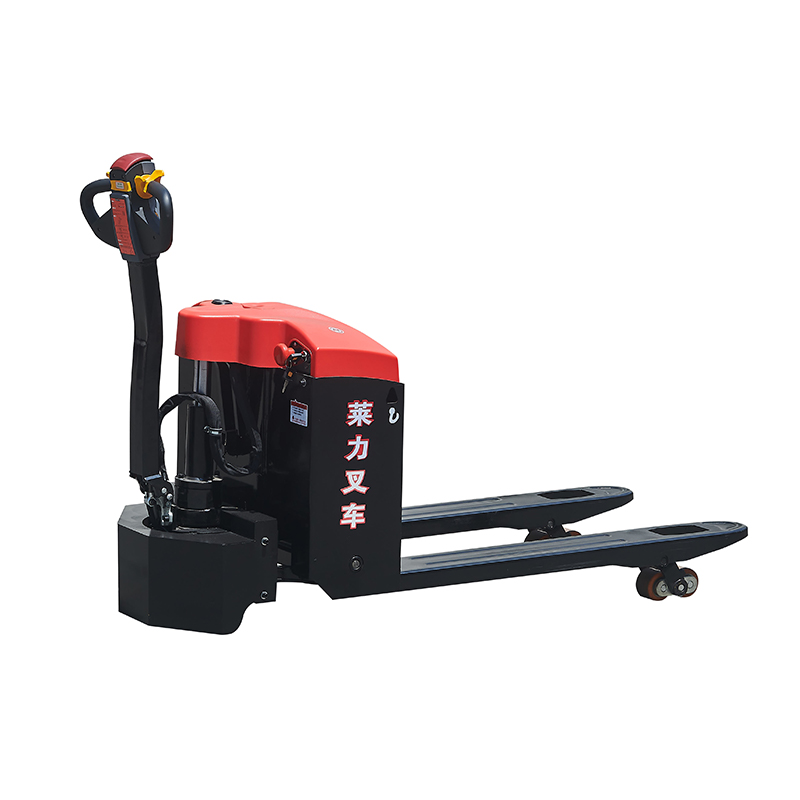
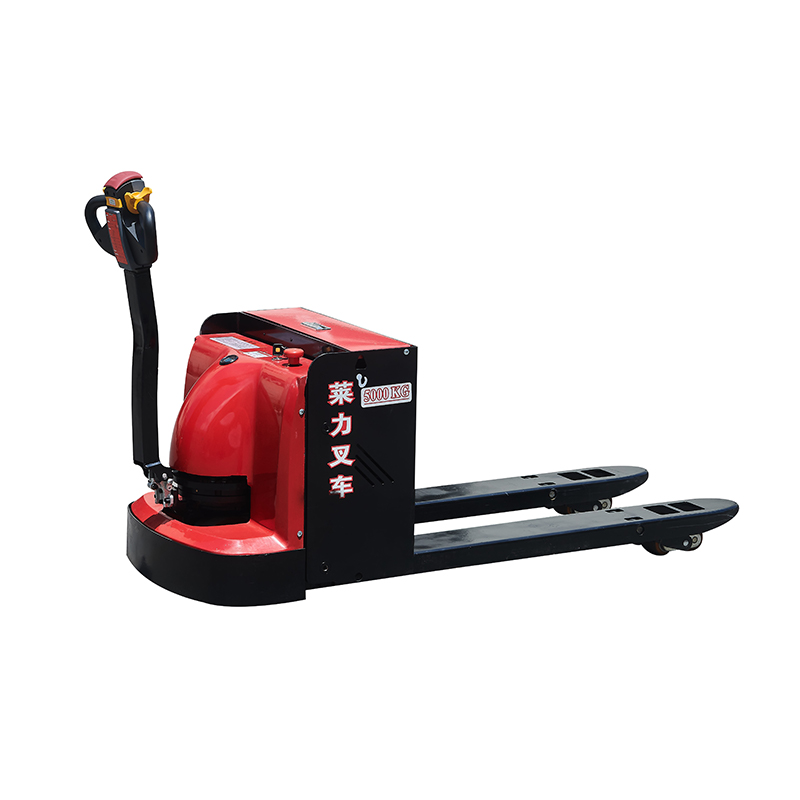
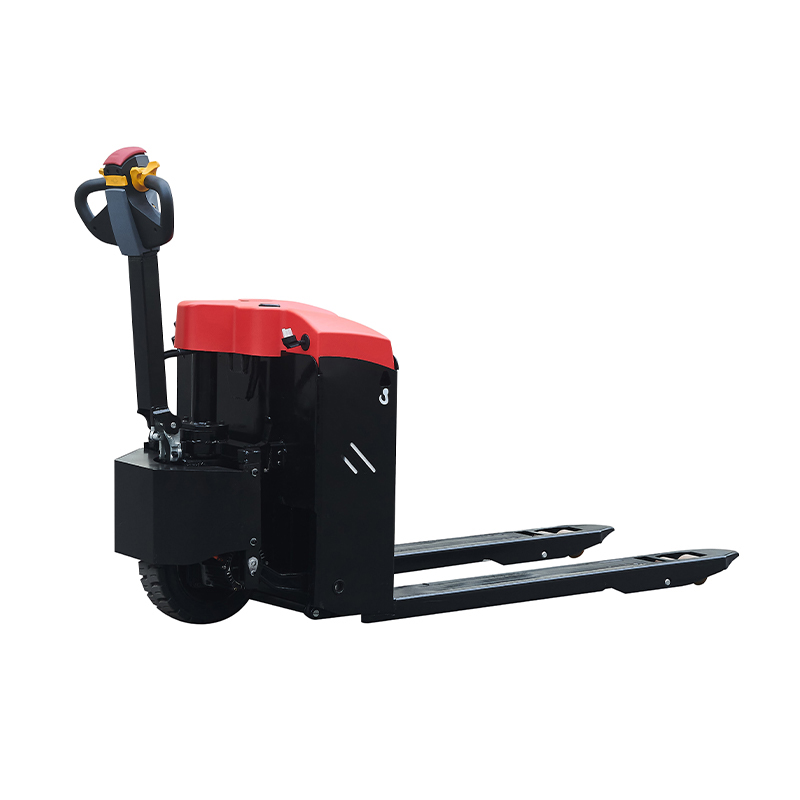
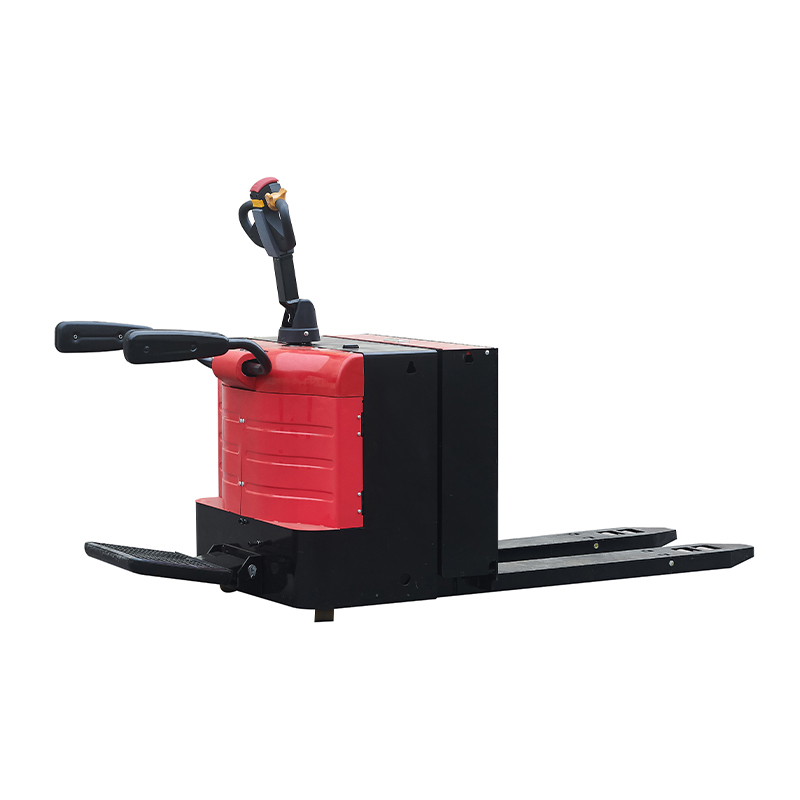
In modern logistics and warehousing industries, electric hydraulic pallet trucks have become indispensable tools. They not only improve work efficiency but also significantly reduce manual labor. However, for those new to this equipment, correctly operating its lifting function can be challenging. This article will explain in detail the lifting principle and operation method of electric hydraulic pallet trucks to help you better understand and utilize this efficient tool.
Lifting Principle of Electric Hydraulic Pallet Trucks
The lifting function of electric hydraulic pallet trucks mainly relies on their internal hydraulic system. This system uses a hydraulic pump to press hydraulic oil into the hydraulic cylinder, thereby driving the piston to move and achieve the lifting and lowering of the forks.
The specific working process is as follows:
Lifting Principle: When the operator presses the lift button, the electric motor starts and drives the hydraulic pump. The hydraulic pump draws hydraulic oil from the tank and presses it into the hydraulic cylinder. The pressure of the hydraulic oil pushes the piston upward, thereby raising the forks.
Lowering Principle: When the operator presses the lower button, the control valve in the hydraulic system opens, and hydraulic oil flows back from the hydraulic cylinder to the tank. Under the action of the weight of the goods and the piston itself, the piston slowly descends, and the forks also descend smoothly.
Key components of a hydraulic system include the hydraulic pump, hydraulic cylinder, piston, control valve, and oil tank. These components work together to ensure that the forks can be raised and lowered smoothly and accurately.