 English
 русский
 Español
 عربى
 Português
LAILI
LAILI
LAILI
LAILI
LAILI
LAILI
LAILI
LAILI
LAILI
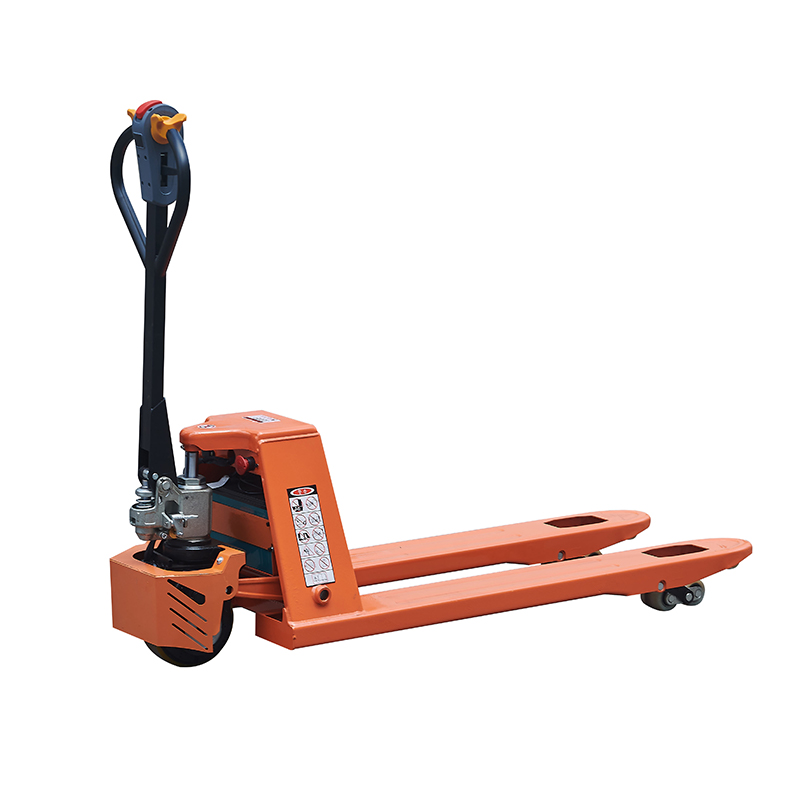
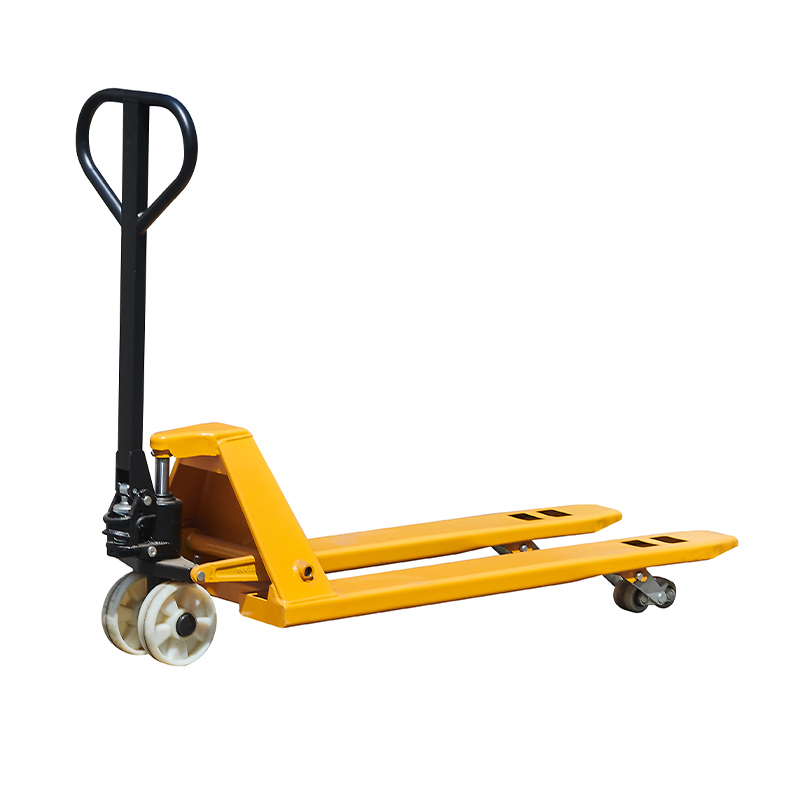
In warehouses and manufacturing workshops, pallet handling often involves repeated lifting, short-distance transportation, and positioning goods near storage racks or production lines. When lifting becomes slow or loads are difficult to control, the problem may be related to equipment condition or an unsuitable product configuration. A Hand Operated Lift Truck provides a practical option for these daily tasks, but buyers should look beyond basic lifting capacity when evaluating equipment for long-term warehouse use.
Recognizing Signs of Hydraulic System Problems
The hydraulic system directly affects how a manual lift truck raises and lowers loads. During regular operation, warehouse staff should pay attention to changes in lifting response, unusual handle resistance, and visible oil leakage.
Common inspection points include:
- Hydraulic pump operation during lifting.
- Seals and connections around the hydraulic assembly.
- Smoothness of the lowering process.
- Consistency of lifting performance under suitable loads.
As a manufacturer, we consider hydraulic component inspection an important part of production quality control. Checking these details helps identify potential issues before equipment enters regular service.
Maintaining Stable Loads During Transportation
Load stability depends on more than the truck itself. Pallet condition, weight distribution, fork positioning, and operator handling all influence transportation safety.
Unevenly distributed goods may shift when the truck turns or moves across floor joints. Operators should ensure that pallets are properly positioned, loads remain within the rated capacity, and forks are fully inserted where appropriate. These basic practices help reduce unnecessary pressure on the equipment.
Understanding the Relationship Between Fork Design and Applications
Fork dimensions affect compatibility with different pallet types. Warehouses handling standard pallets may have different requirements from facilities moving machinery components, packaged materials, or irregular goods.
When selecting a manual pallet lifting truck, buyers should compare fork length, outside fork width, minimum fork height, and maximum lifting height. These specifications help determine whether the equipment can work with existing storage and transportation arrangements.
Wheel Performance in Different Working Environments
A truck used on smooth warehouse flooring may perform differently from one operating around loading docks or production areas. Wheel material and diameter influence rolling resistance, maneuverability, and contact with the floor.
Polyurethane wheels are commonly used for indoor material handling, while nylon wheels may be considered for applications requiring different wear and rolling characteristics. Buyers should communicate their floor conditions when requesting product recommendations.
Building a Practical Maintenance Routine
Regular maintenance does not need to involve complicated procedures. A basic inspection schedule can help warehouse teams monitor equipment condition.
Important tasks include checking wheel rotation, cleaning dirt from moving components, inspecting fork surfaces, and monitoring hydraulic performance. Equipment should also be removed from service if structural damage or abnormal lifting behavior is identified.
Evaluating Manufacturing Quality Before Bulk Purchasing
For importers and warehouse equipment distributors, product consistency matters across repeated orders. Differences in welding quality, hydraulic assembly, wheel installation, and surface finishing may affect customer experience.
When assessing a Hand Operated Lift Truck manufacturer, buyers should ask about production inspection, functional testing, available specifications, and replacement component support. Clear technical communication also helps ensure that the supplied equipment matches the intended application.
Matching Equipment to Everyday Warehouse Requirements
Manual lifting equipment remains useful in facilities where goods need to be moved over relatively short distances without powered machinery. Selecting the right model requires attention to load characteristics, pallet compatibility, hydraulic performance, and maintenance arrangements. A properly specified Hand Operated Lift Truck can help distributors and warehouse operators maintain practical, organized material handling operations.