 English
 русский
 Español
 عربى
عربى
 Português
LAILI
LAILI
LAILI
LAILI
LAILI
LAILI
LAILI
LAILI
LAILI
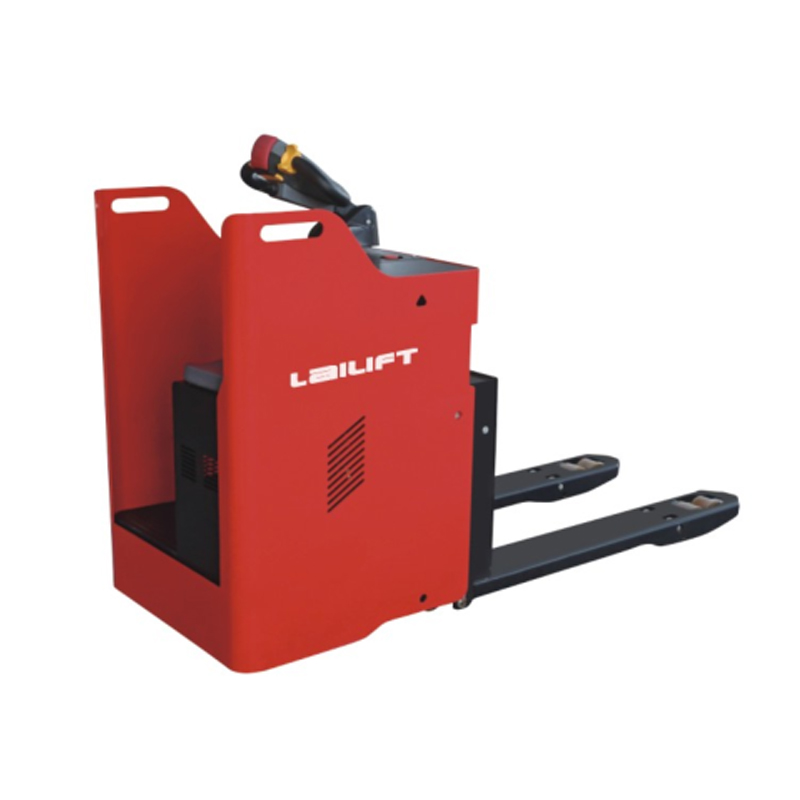
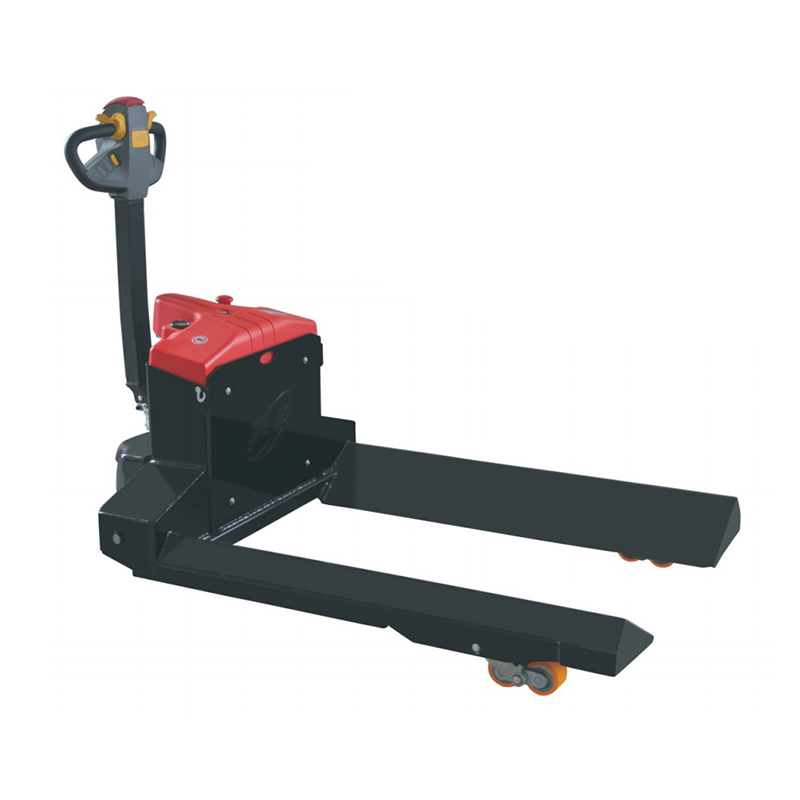
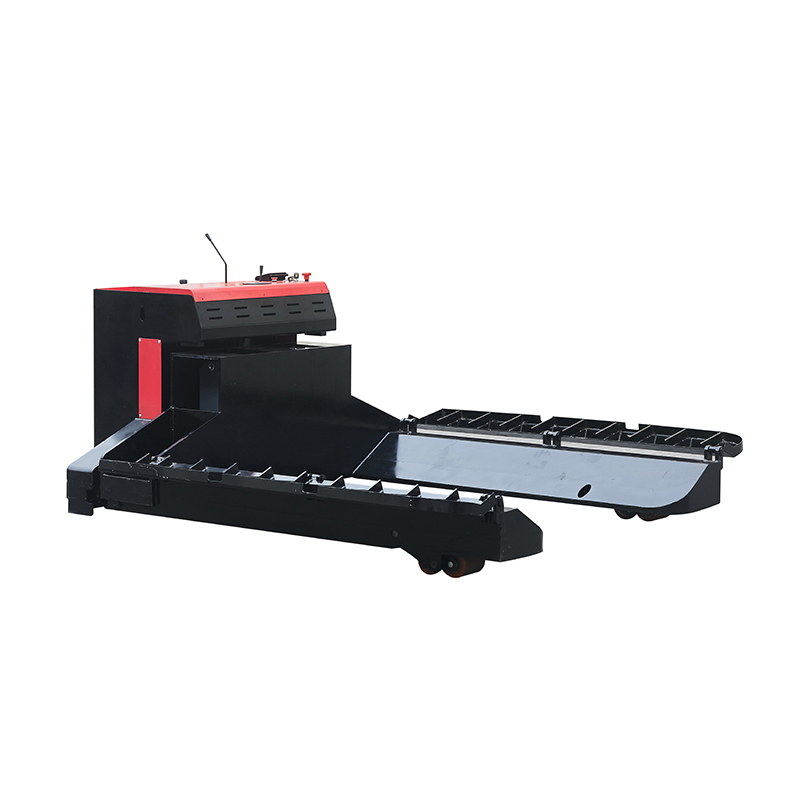
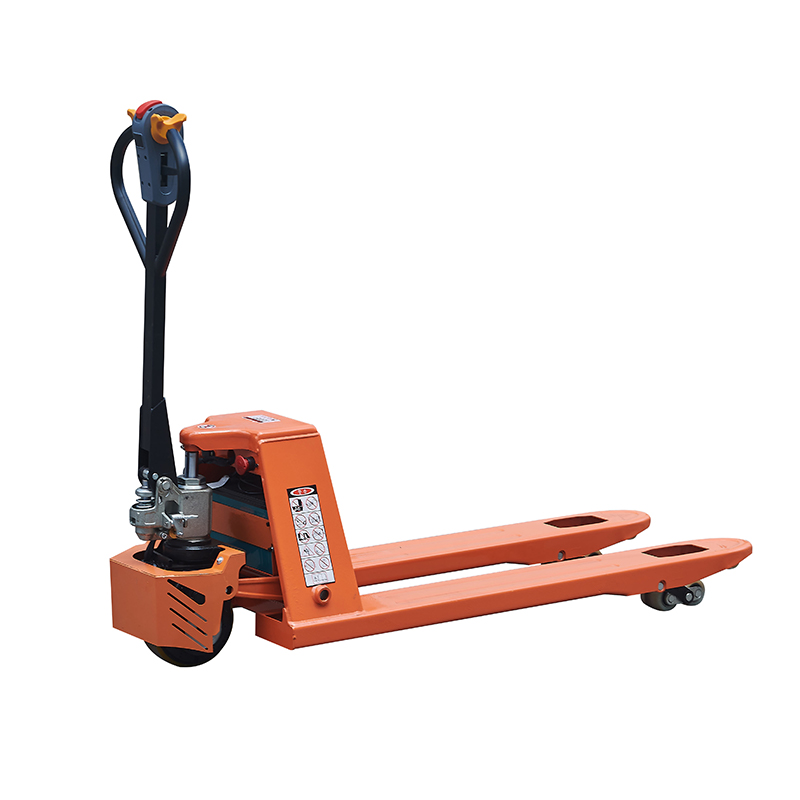
Forklifts, as indispensable equipment in the logistics industry, have always played a crucial role. With the continuous development of the logistics industry, the forklift industry is also constantly expanding. So, what are the characteristics of the forklift industry? Let's explore this together.
First, the market demand for forklifts is enormous. With the rapid development of e-commerce, express delivery, and other industries, the demand in the logistics industry is constantly increasing. As a vital piece of equipment in the logistics industry, the market demand for forklifts is also continuously growing. Statistics show that the global forklift market size has exceeded US$10 billion and is still growing. In China, the forklift market is also expanding. According to data released by the China Federation of Logistics and Purchasing, the Chinese forklift market size reached approximately RMB 20 billion in 2019, representing a year-on-year increase of about 10%.
Second, the technological level of the forklift industry is constantly improving. With continuous technological advancements, the forklift industry is also constantly innovating. Today's forklifts are no longer simple mechanical devices, but high-tech products integrating hydraulic, electronic, and mechanical technologies. The application of these technologies has significantly improved the performance and efficiency of forklifts. For example, modern forklifts can now operate automatically, utilizing technologies such as LiDAR and cameras to achieve functions like automatic navigation and automatic cargo identification, significantly improving efficiency and safety.
Secondly, the forklift industry is highly competitive. With increasing market demand, competition in the forklift industry is becoming increasingly fierce. Forklift brands are constantly innovating and improving performance to meet customer needs. At the same time, after-sales service has become a crucial aspect of brand competition, and the quality of after-sales service is a key factor for customers. In the Chinese market, there are numerous forklift brands, mainly divided into international and domestic brands. International brands include Toyota, Hitachi, and Mitsubishi from Japan; Linde from Germany; Dafne from the Netherlands; and Nike from the United States. Domestic brands include Anhui Forklift, Shandong Forklift, and Jiangsu Forklift. Competition among these brands is intense, with continuous introduction of new products, technologies, and services to meet customer needs.
Finally, the forklift industry has a very broad future development prospect. With the continuous development of the logistics industry, the forklift industry will also face more opportunities and challenges. In the future, the forklift industry will place greater emphasis on environmental protection, energy conservation, and intelligent development to meet customer needs and societal requirements. For example, modern forklifts can now be electric or hybrid-powered to reduce environmental pollution; simultaneously, forklifts can leverage technologies such as the internet and big data for more intelligent management and operation.
In conclusion, the forklift industry is full of both opportunities and challenges. Whether it's brand competition or technological innovation, continuous effort and innovation are essential. We believe that the forklift industry will usher in a brighter future.