 English
 русский
 Español
 عربى
 Português
LAILI
LAILI
LAILI
LAILI
LAILI
LAILI
LAILI
LAILI
LAILI
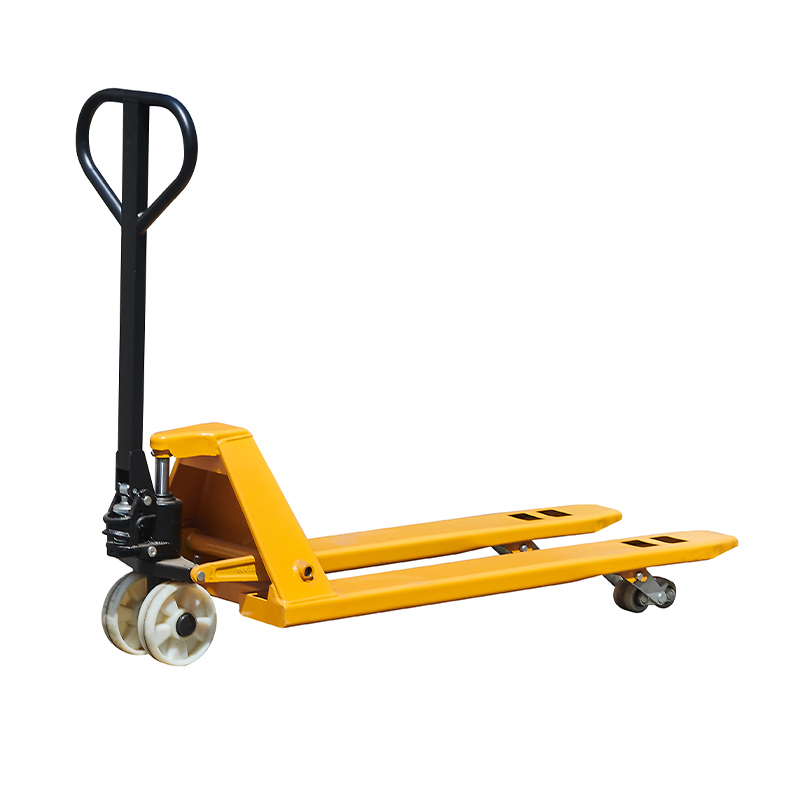
In warehouses, workshops, loading areas, and distribution centers, moving palletized goods safely is part of everyday work. However, narrow aisles, mixed pallet sizes, uneven floor conditions, and limited labor availability can make routine handling more difficult than expected. A Hand Operated Lift Truck offers a practical solution for businesses that need to lift and move goods without relying on powered equipment. For distributors, warehouse operators, and industrial equipment buyers, understanding the details of equipment selection can help reduce handling difficulties and support smoother daily operations.
Matching Lifting Capacity with Actual Loads
One common purchasing mistake is selecting equipment based only on its rated lifting capacity. Actual warehouse operations involve different pallet weights, load dimensions, and lifting frequencies. A truck that handles occasional light loads may not be suitable for continuous movement of heavier materials.
Before purchasing, buyers should consider:
- The typical and maximum weight of palletized goods.
- The dimensions and entry clearance of pallets.
- The required lifting height for loading and unloading.
- The frequency of daily lifting and transportation tasks.
As a manufacturer, we recommend evaluating these factors together rather than choosing a model based on one specification.
Maneuverability Matters in Restricted Spaces
Many warehouses have limited aisle widths, closely arranged storage racks, and busy loading zones. In these environments, turning space and steering response directly affect handling convenience.
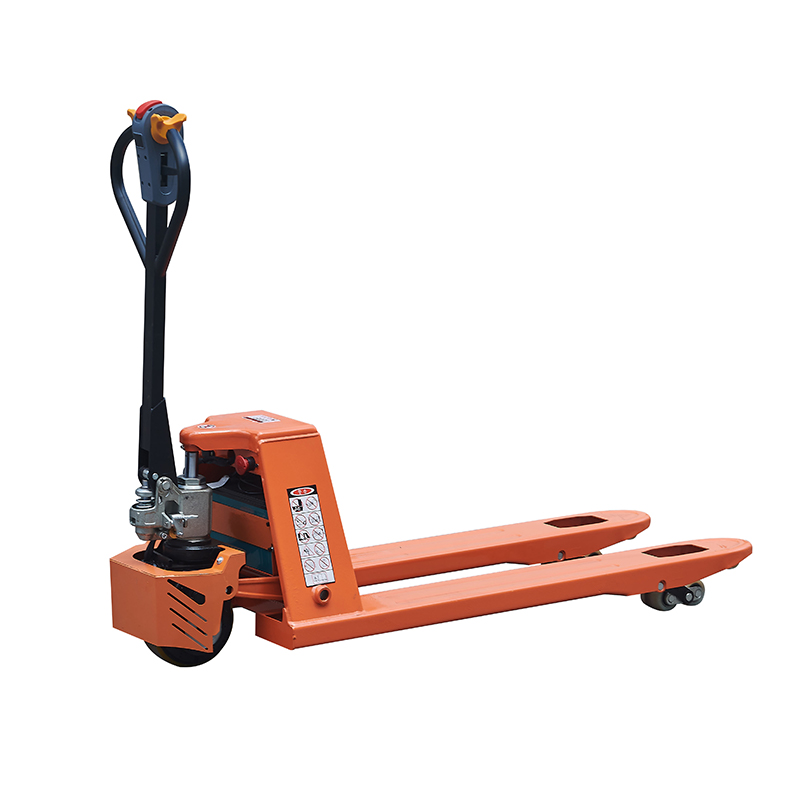
A compact hand pallet truck can help operators move goods through restricted areas, while suitable wheel materials can support smoother movement across different floor surfaces. Buyers should also check the overall truck dimensions, turning radius, handle design, and fork length to ensure compatibility with their working environment.
Hydraulic Performance and Lifting Stability
The hydraulic system plays an important role in lifting performance. If the lifting action is inconsistent or the truck gradually loses lifting ability, operators may experience delays and difficulties during handling.
When evaluating a hydraulic hand lift truck, purchasing teams should pay attention to:
- Pump operation and lifting response.
- Hydraulic sealing and potential oil leakage.
- Smooth lowering control.
- Fork stability under the intended load.
We consider hydraulic component quality and assembly consistency important parts of product evaluation because they directly affect everyday operating performance.
Wheel Selection for Different Floor Conditions
Warehouse floors are not always identical. Some facilities have smooth concrete surfaces, while others contain expansion joints, ramps, or slightly uneven sections. Wheel selection should reflect these conditions.
Polyurethane wheels are commonly considered for indoor applications where floor protection and rolling resistance matter. Nylon wheels may suit certain environments requiring resistance to wear and easier movement under appropriate conditions. Buyers should compare wheel material, diameter, load compatibility, and maintenance requirements before placing bulk orders.
Operator Comfort and Workplace Safety
Manual material handling involves repeated pushing, pulling, steering, and lifting activities. Poorly designed handles or unsuitable operating procedures can increase physical strain during regular shifts.
A practical Hand Operated Lift Truck should provide a comfortable handle position, controllable lowering operation, and stable load support. Operators should also receive training on checking load balance, avoiding excessive loads, and keeping travel paths clear. Equipment selection and workplace procedures need to work together.
Maintenance Planning for Long-Term Use
Regular inspection helps purchasing companies manage equipment condition and reduce unexpected interruptions. Common inspection points include hydraulic oil leakage, wheel wear, fork deformation, handle connections, and lifting performance.
For distributors and warehouse equipment suppliers, spare parts availability and maintenance guidance are also worth discussing with manufacturers. Clear technical support makes it easier to serve different customers and manage after-sales requirements.
Making Purchasing Decisions Beyond the Purchase Price
For wholesale buyers and equipment distributors, the initial quotation is only one part of the purchasing decision. Product specifications, material consistency, packaging, spare parts support, and supply arrangements can all influence the value of a sourcing partnership.
As manufacturers, we encourage buyers to communicate their application requirements before selecting models. A properly matched Hand Operated Lift Truck can help businesses handle palletized goods more conveniently, maintain organized warehouse workflows, and meet everyday material handling needs.