 English
 русский
 Español
 عربى
 Português
LAILI
LAILI
LAILI
LAILI
LAILI
LAILI
LAILI
LAILI
LAILI
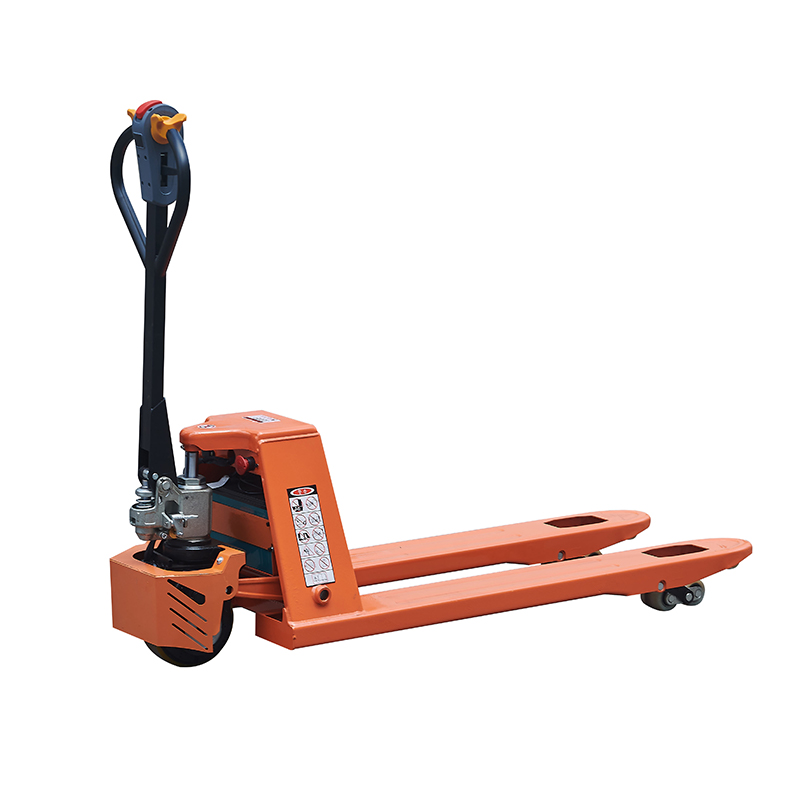
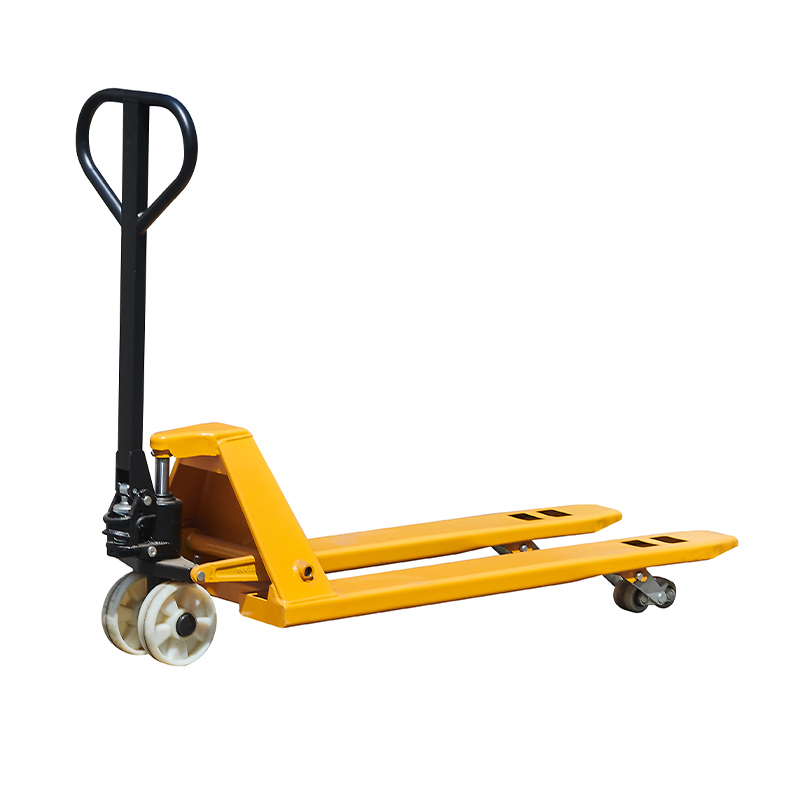
In busy warehouses, workshops, and distribution centers, moving palletized goods safely is part of everyday operations. However, not every workplace needs a powered forklift for short-distance material handling. Limited aisle space, uneven workloads, and equipment maintenance costs can make manual handling equipment a more practical option. A reliable Hand Operated Lift Truck allows operators to lift, position, and move palletized loads with direct control, helping businesses manage routine warehouse tasks without adding unnecessary operating complexity.
Choosing the Right Load Capacity for Daily Operations
One common purchasing mistake is selecting a manual lift truck based only on its rated load capacity. Actual working conditions are equally important. Buyers should consider the typical weight of their pallets, the dimensions of the loads, and how frequently the equipment will be used.
A suitable load capacity helps prevent unnecessary strain on hydraulic components and improves handling stability. As a manufacturer, we recommend matching the truck's rated capacity to the real working requirements rather than choosing equipment based on occasional heavy loads.
Hydraulic Performance Affects Everyday Productivity
The hydraulic lifting system directly influences how smoothly a manual lift truck operates. If the lifting process requires repeated pumping or the forks descend unevenly, operators may experience delays and additional physical effort.
When evaluating a hydraulic hand pallet truck, pay attention to:
- Pump responsiveness: The hydraulic pump should provide controlled lifting with manageable handle effort.
- Lowering control: A stable release mechanism helps operators position loads without sudden drops.
- Hydraulic sealing: Reliable seals help reduce oil leakage during regular operation.
- Lifting consistency: Smooth fork movement supports predictable pallet handling.
These details may seem small, but they have a noticeable effect on equipment usability over time.
Fork Dimensions and Pallet Compatibility Matter
Not all warehouses use the same pallet specifications. Fork length, outside fork width, and minimum fork height determine whether a truck can enter, lift, and transport a particular pallet.
For example, narrow pallets may require a different fork configuration from standard warehouse pallets. Businesses handling mixed pallet sizes should check compatibility before placing an order.
We encourage buyers to provide pallet dimensions during product selection. This makes it easier to identify a suitable manual pallet truck and reduces the risk of receiving equipment that does not fit existing warehouse layouts.
Maneuverability in Narrow Warehouse Aisles
Warehouse space is becoming increasingly valuable, especially for facilities with dense storage arrangements. A manual lift truck must move comfortably through working aisles, around shelving, and between loading areas.
Wheel material and steering structure both influence maneuverability. Polyurethane wheels, for instance, are commonly selected for indoor applications where smooth rolling and floor protection are important. Nylon wheels may suit certain environments that require resistance to wear and rolling resistance characteristics suited to the floor conditions.
Before selecting a model, consider floor surfaces, turning space, thresholds, and the frequency of directional changes.
Routine Maintenance Helps Prevent Unexpected Downtime
Manual equipment still requires regular inspection. Hydraulic problems, worn wheels, damaged forks, and loose connections can affect handling performance if they are ignored.
A practical maintenance routine should include:
- Checking hydraulic oil levels and inspecting for visible leakage.
- Examining wheels and bearings for wear or accumulated debris.
- Inspecting forks for deformation, cracks, or surface damage.
- Testing the lifting and lowering functions before regular use.
- Keeping moving components clean and properly maintained.
For warehouse managers, these simple checks can help identify developing problems before they interrupt daily material handling activities.
Safety Depends on Both Equipment and Operator Practices
Even a manually operated lifting device can create workplace hazards when used incorrectly. Overloading, unstable pallet placement, sharp turns with raised loads, and operating on unsuitable slopes may increase the risk of accidents.
Operators should keep loads evenly distributed, avoid exceeding the rated capacity, and lower the forks before moving the truck over longer distances. Regular staff training is also important, particularly in workplaces where several employees share the same equipment.
Equipment selection and safe operating procedures should work together rather than being treated as separate concerns.
Manufacturing Quality and Product Selection for Bulk Buyers
For distributors, warehouse equipment suppliers, and industrial purchasing teams, product consistency is just as important as the initial purchase price. Fork welding quality, hydraulic assembly, wheel installation, handle construction, and surface finishing all deserve attention when evaluating a supplier.
As a manufacturer, we focus on the structural and functional details that influence daily operation. Buyers can also discuss load capacity, fork dimensions, wheel configurations, and application requirements with our team to identify suitable product specifications.
A properly selected Hand Operated Lift Truck provides a straightforward solution for routine pallet movement, helping warehouses maintain practical material handling processes while keeping equipment operation and maintenance manageable.