 English
 русский
 Español
 عربى
عربى
 Português
LAILI
LAILI
LAILI
LAILI
LAILI
LAILI
LAILI
LAILI
LAILI
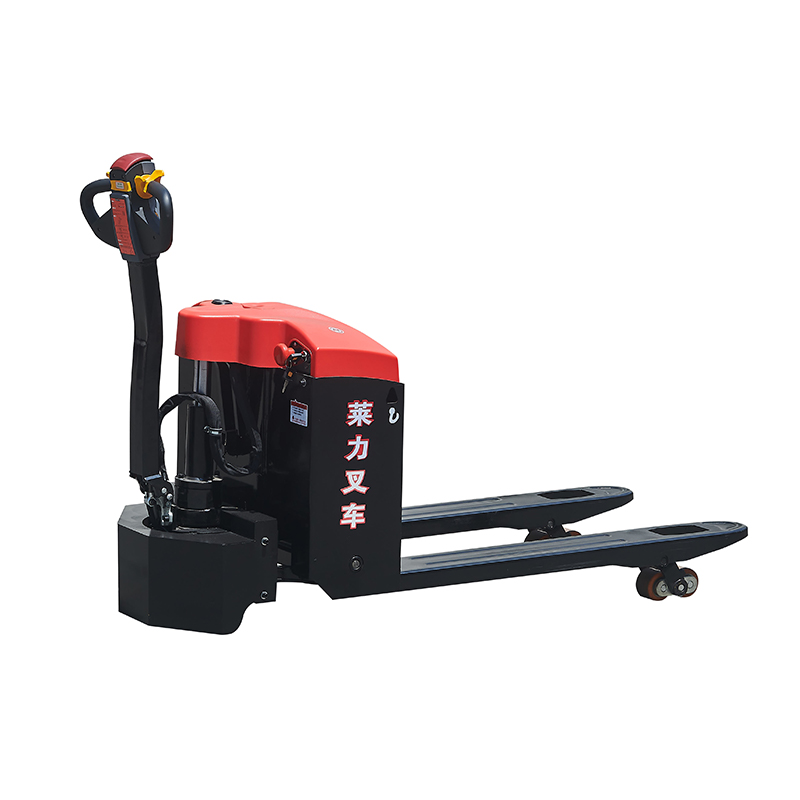
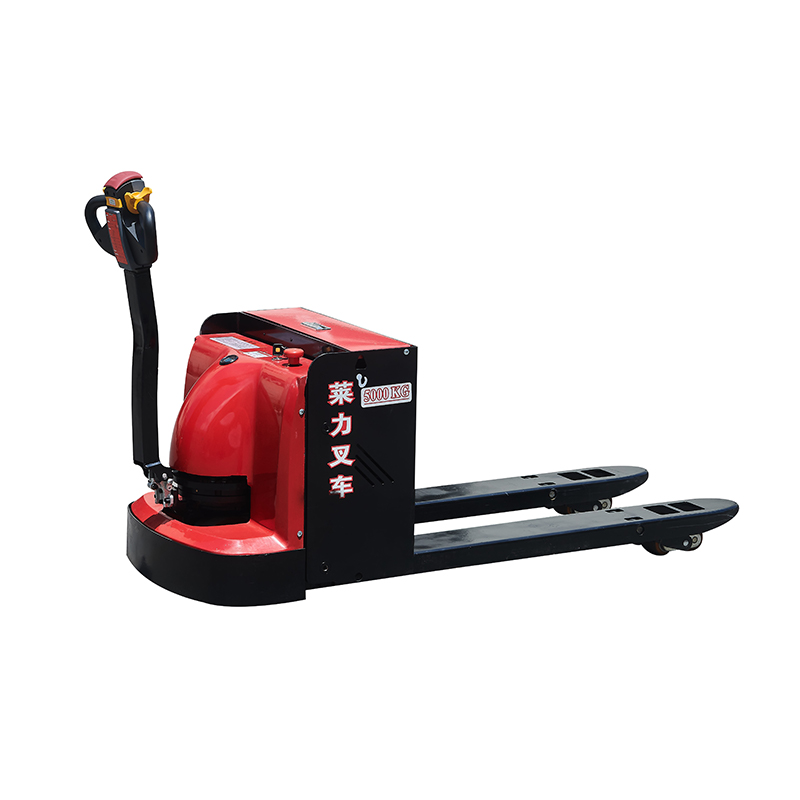
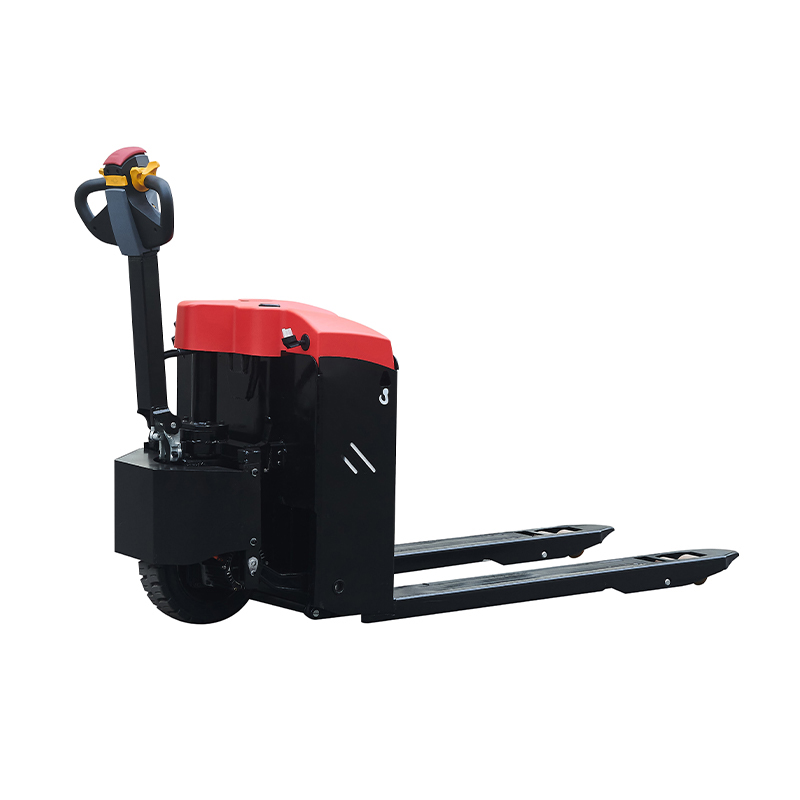
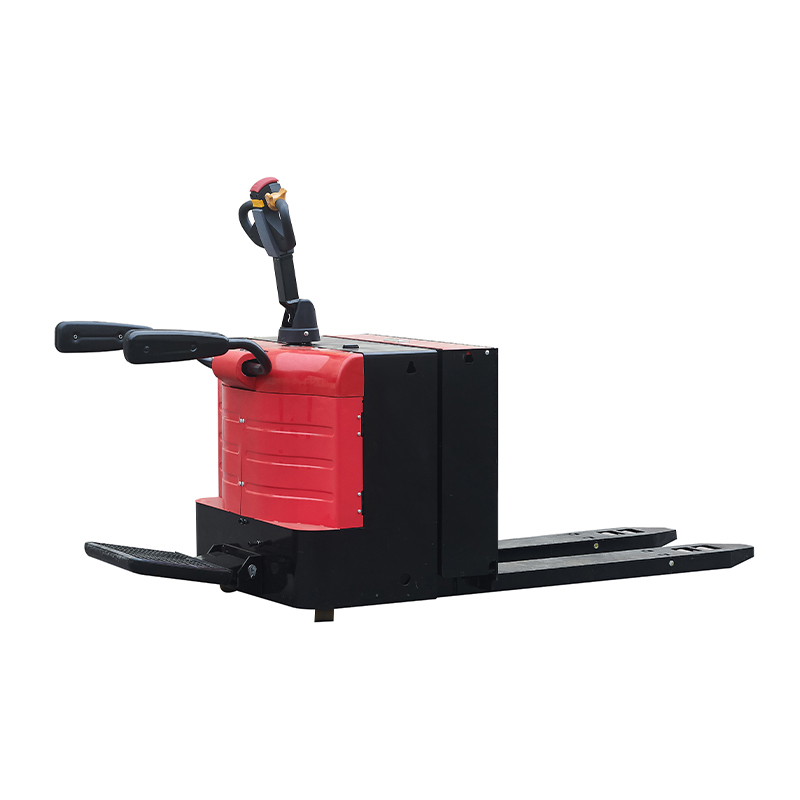
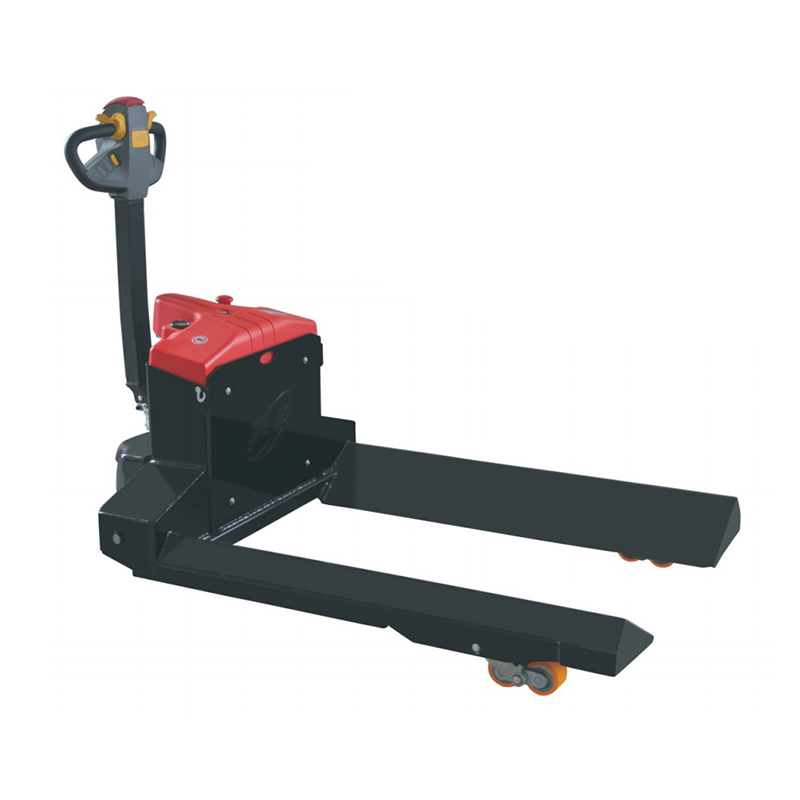
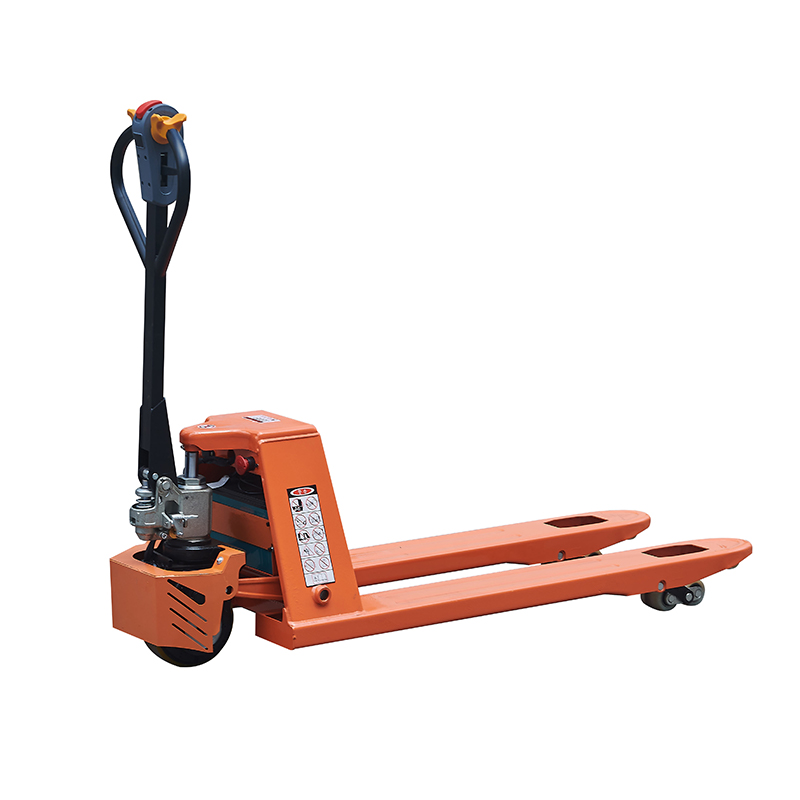
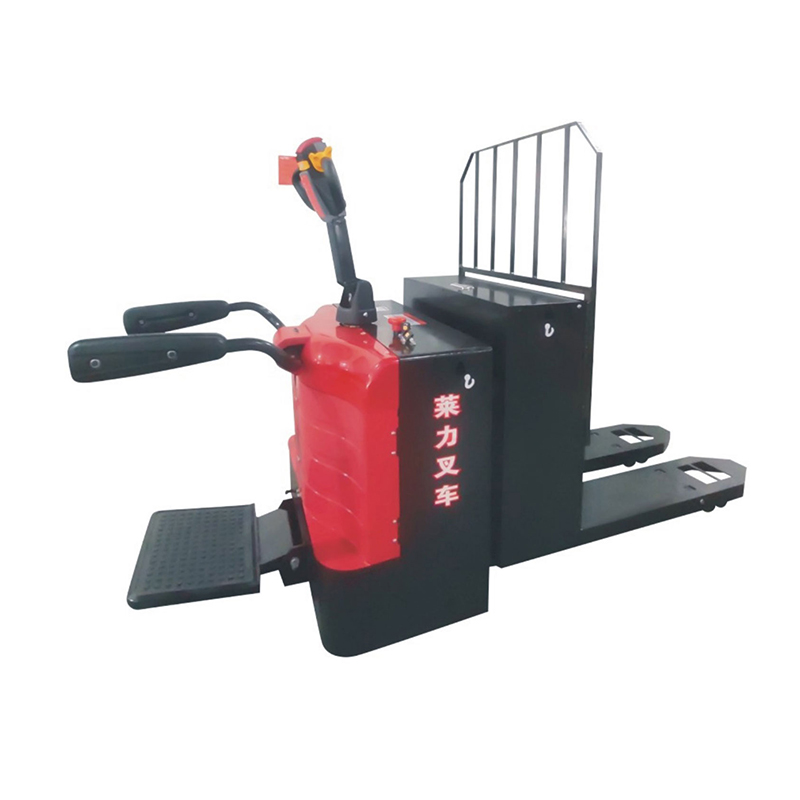
A Fully Electric Pallet Truck can make a noticeable difference in everyday warehouse work, especially when operators repeatedly move loaded pallets between storage areas, production lines, loading docks, and packing stations. From our manufacturing experience, buyers are often less concerned with adding complicated technology and more focused on simple issues: reducing physical effort, keeping movement controlled, and making sure the truck fits naturally into the existing workflow.
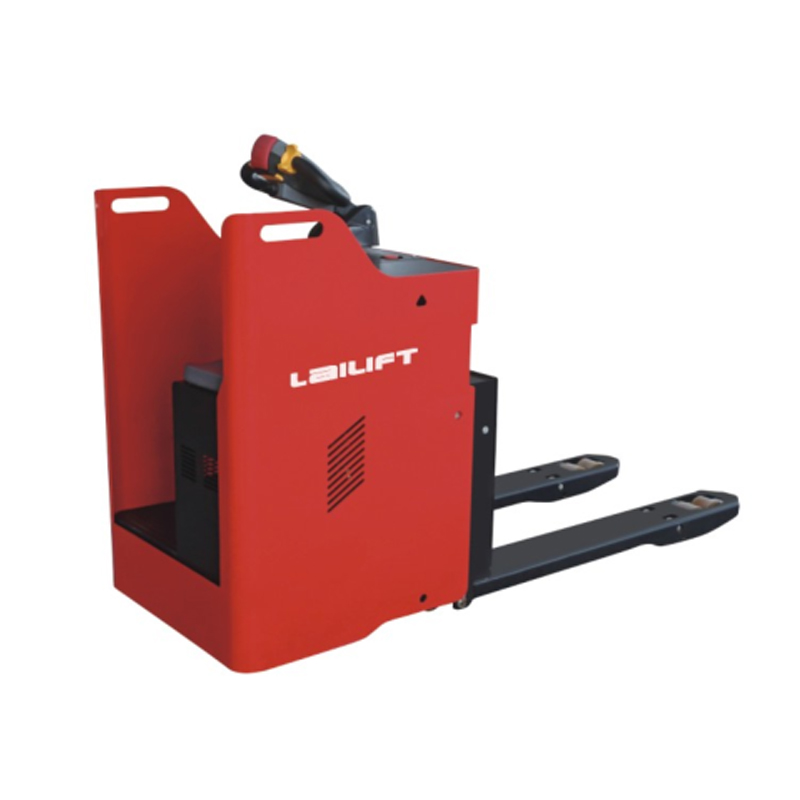
Less Physical Strain During Repeated Moves
Moving an empty pallet is one thing; moving loaded pallets throughout a working shift is another. Repeated pushing and pulling can place unnecessary strain on operators, particularly when loads need to be moved across longer indoor routes.
Electric drive removes much of the physical effort involved in starting and maintaining pallet movement. This makes powered pallet handling useful for warehouses where the same transport task is repeated throughout the day. Ergonomic considerations are increasingly part of material-handling equipment decisions because reducing manual force can help make routine operations more manageable.
Easier Control in Busy Warehouse Areas
A pallet truck needs to work around people, racks, carts, doors, and production equipment. In these environments, smooth control matters just as much as driving power.
When selecting an electric pallet truck for warehouse use, buyers should pay attention to the handle layout, steering response, braking behavior, visibility around the forks, and overall maneuverability. A practical design should help the operator make small corrections without constantly repositioning the truck or pallet.
Battery Use Should Match the Work Pattern
Battery selection is not simply about choosing the largest available capacity. The better approach is to match the power system with the actual operating routine.
Lithium-ion technology is receiving attention in material handling because it can support flexible charging patterns and reduce some of the maintenance work associated with traditional battery systems.
For buyers, it is useful to consider charging location, operating hours, shift patterns, and whether the equipment can be conveniently returned to its charging point between tasks.
Maintenance Starts with Everyday Accessibility
A pallet truck becomes expensive to operate when simple maintenance turns into extended downtime. During product development and manufacturing, we therefore pay attention not only to driving performance but also to the accessibility of commonly checked components.
Operators and maintenance teams should be able to inspect the truck, keep contact areas clean, check wheels and forks, and follow the recommended battery-care procedure without making routine servicing unnecessarily complicated. These small details can have a practical effect on equipment availability.
Matching the Truck to the Actual Application
A warehouse handling cartons may have very different requirements from a manufacturing plant moving raw materials between workstations. Floor conditions, pallet design, aisle layout, load characteristics, and transport distance all influence equipment selection.
For this reason, we recommend discussing the working environment before choosing a configuration. As a manufacturer, we can assess the application and help buyers focus on the features that directly affect their daily handling tasks rather than adding functions that have little value in their facility.
Supporting a More Practical Material Flow
Electric pallet trucks also fit naturally into warehouses that are gradually introducing digital or automated processes. Not every operation needs a fully automated vehicle. In many facilities, improving the basic movement of pallets is a more practical starting point before connecting equipment with wider warehouse systems. Current material-handling development is increasingly linking electric equipment with automation and connected workflows.
For companies reviewing their next material-handling purchase, a Fully Electric Pallet Truck provides a practical way to reduce manual effort, improve pallet movement, and build a more consistent daily workflow without requiring a complete warehouse redesign.