 English
 русский
 Español
 عربى
 Português
LAILI
LAILI
LAILI
LAILI
LAILI
LAILI
LAILI
LAILI
LAILI
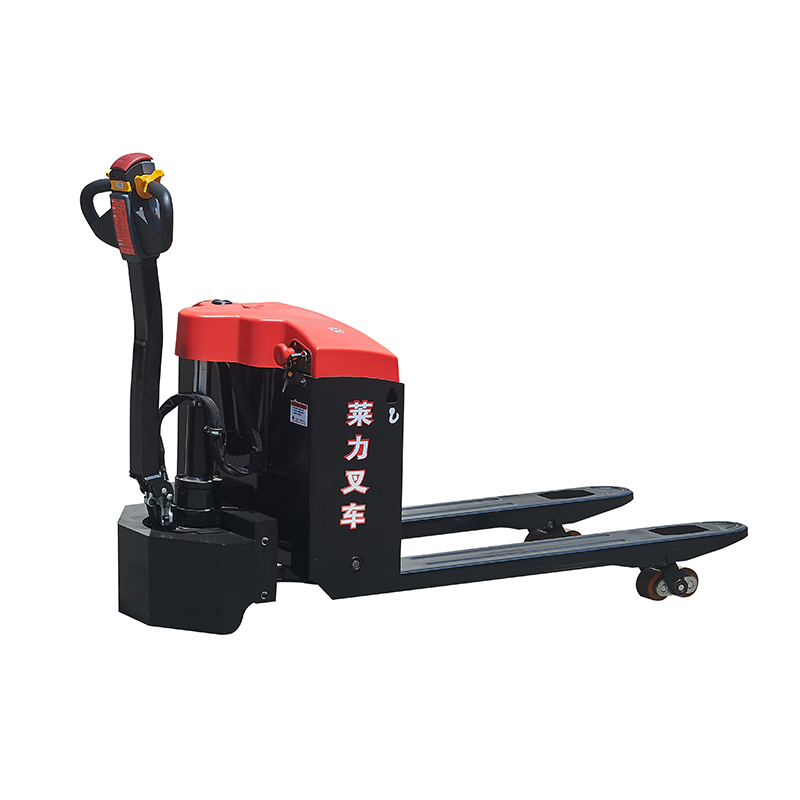
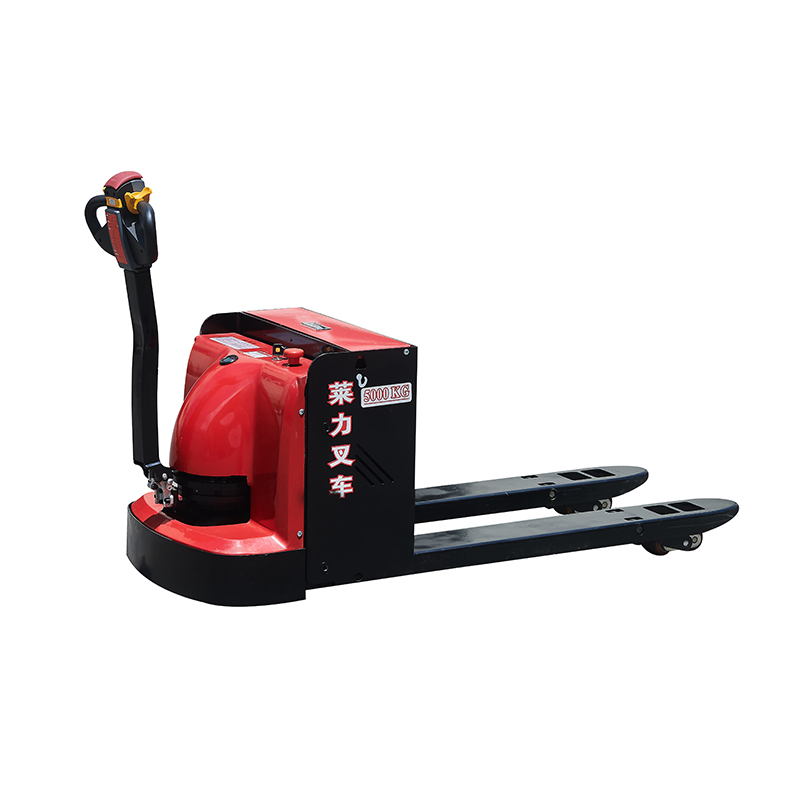
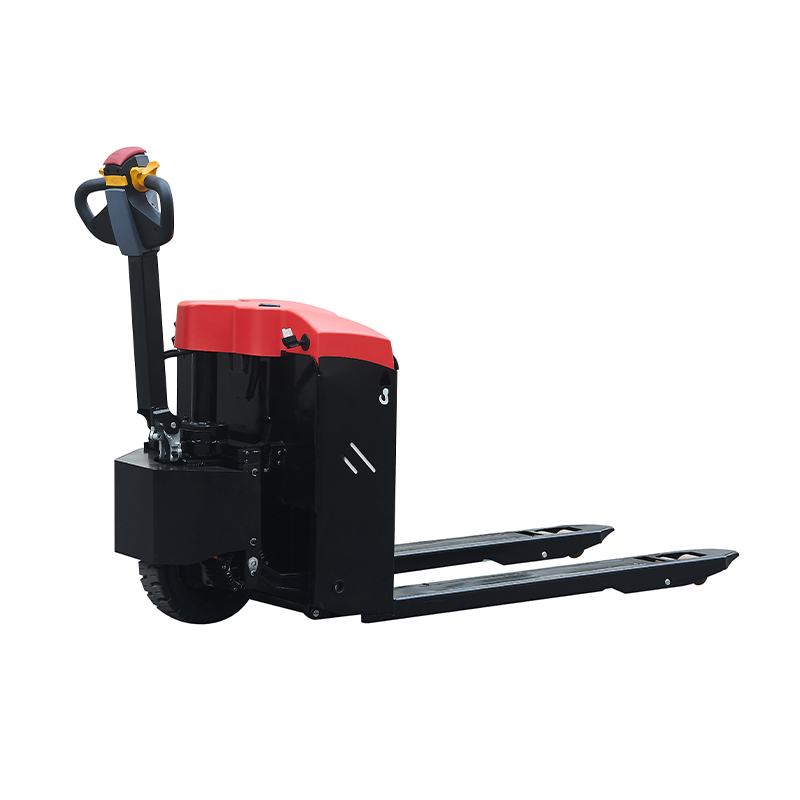
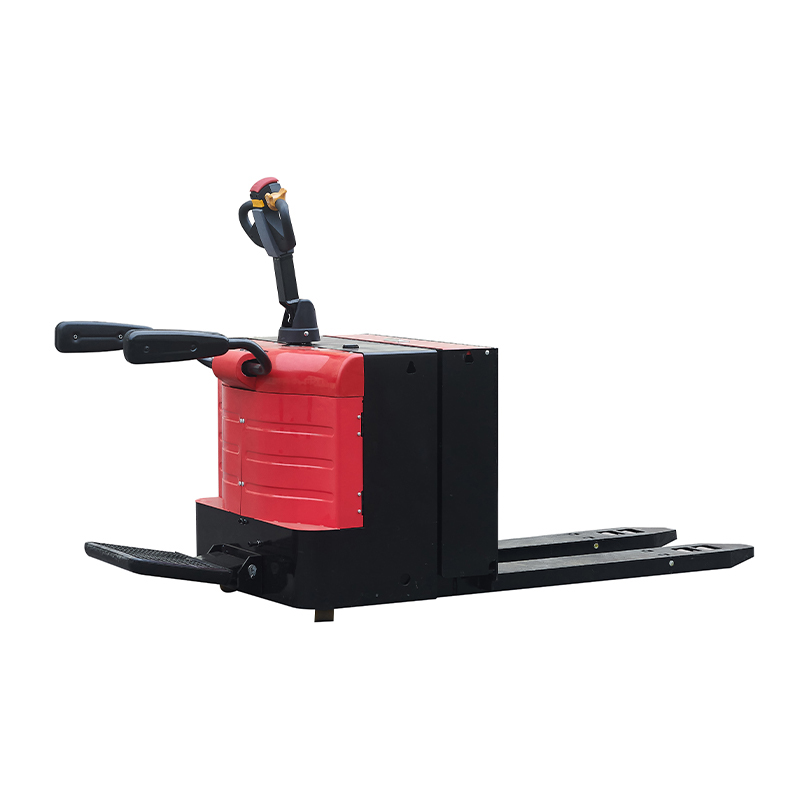
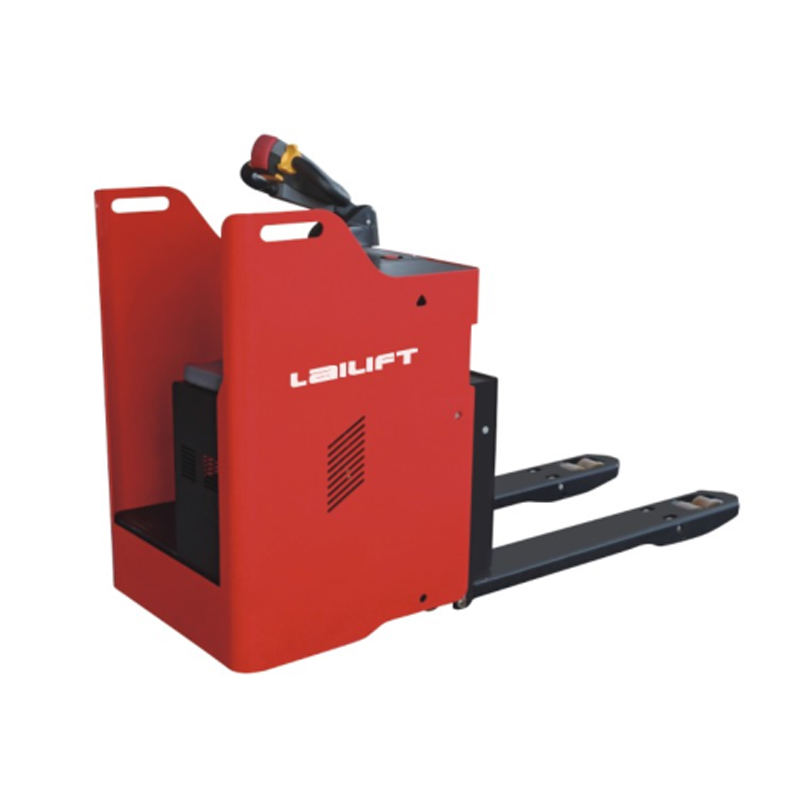
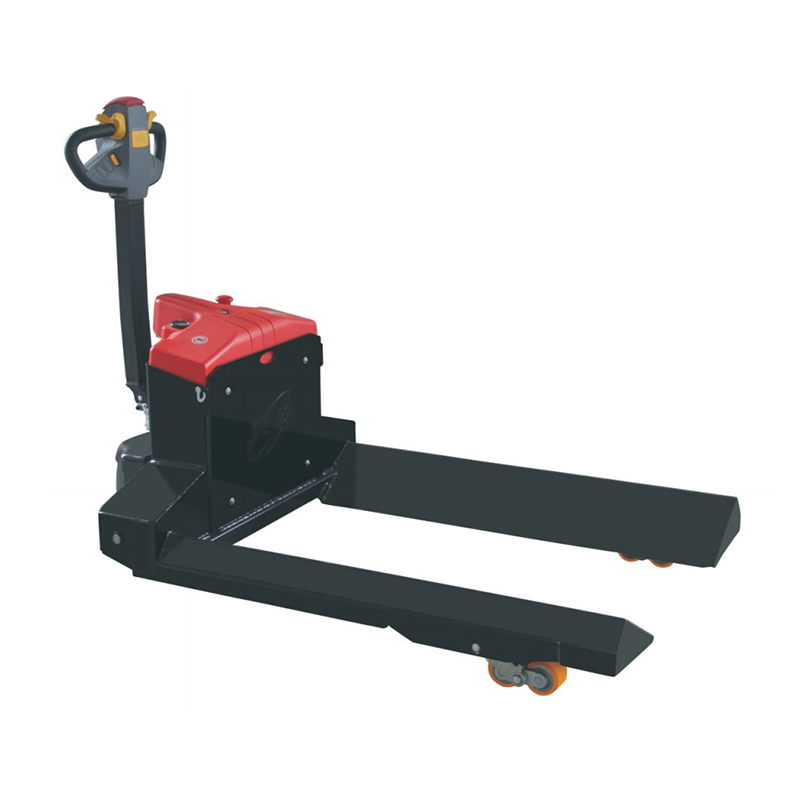
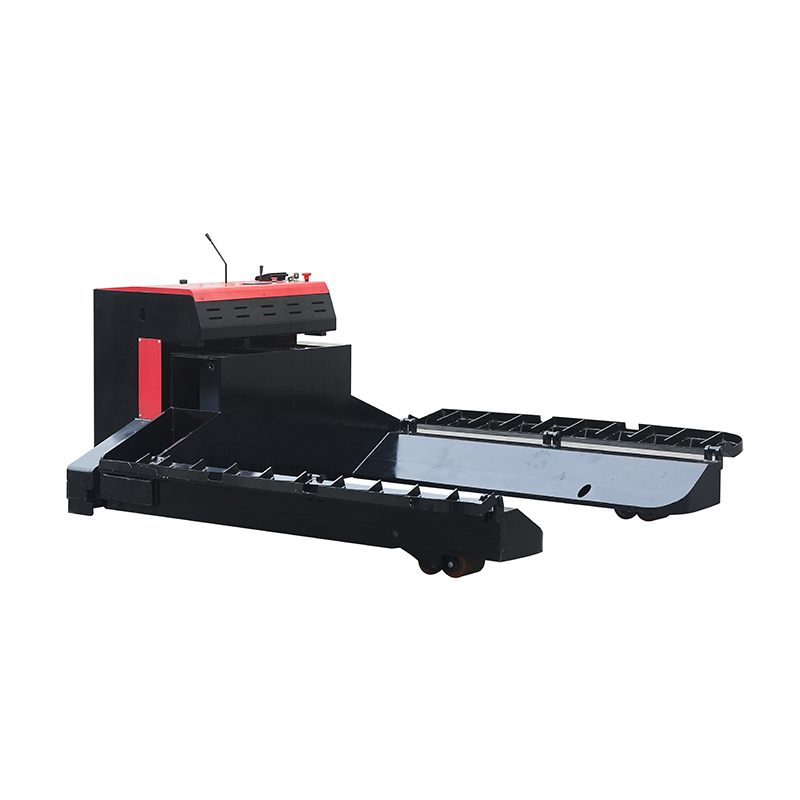
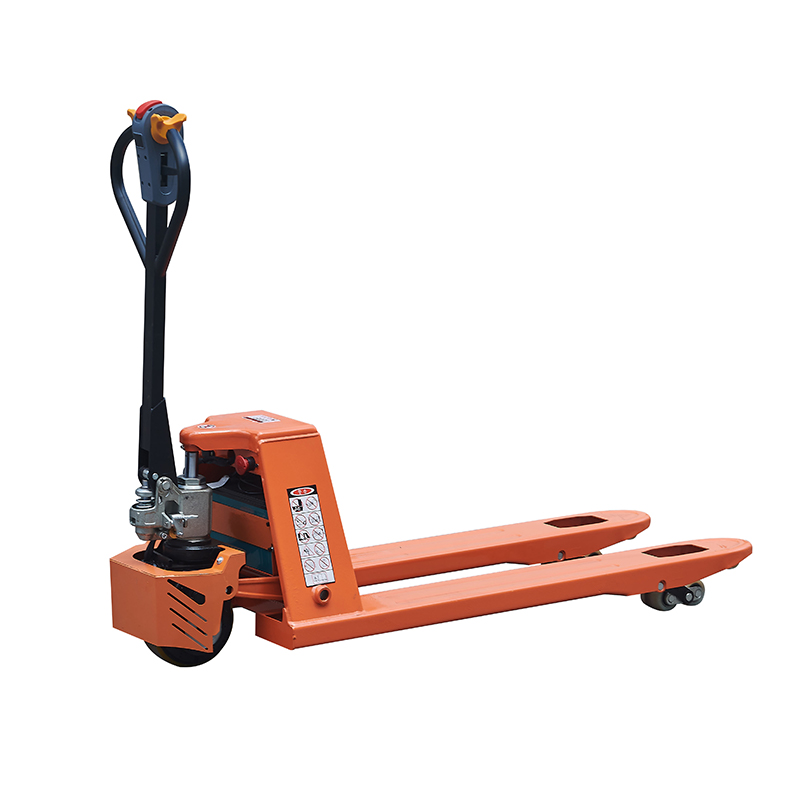
A busy warehouse rarely runs short of tasks. Operators move incoming goods, replenish shelves, prepare orders, and transfer pallets between storage areas throughout the day. When these jobs involve repeated manual pushing, long travel distances, or frequent handling of heavy loads, fatigue and workflow delays can become daily concerns. A Fully Electric Pallet Truck helps manufacturers, distributors, and warehouse operators move palletized goods with less physical effort while keeping routine material handling organized.
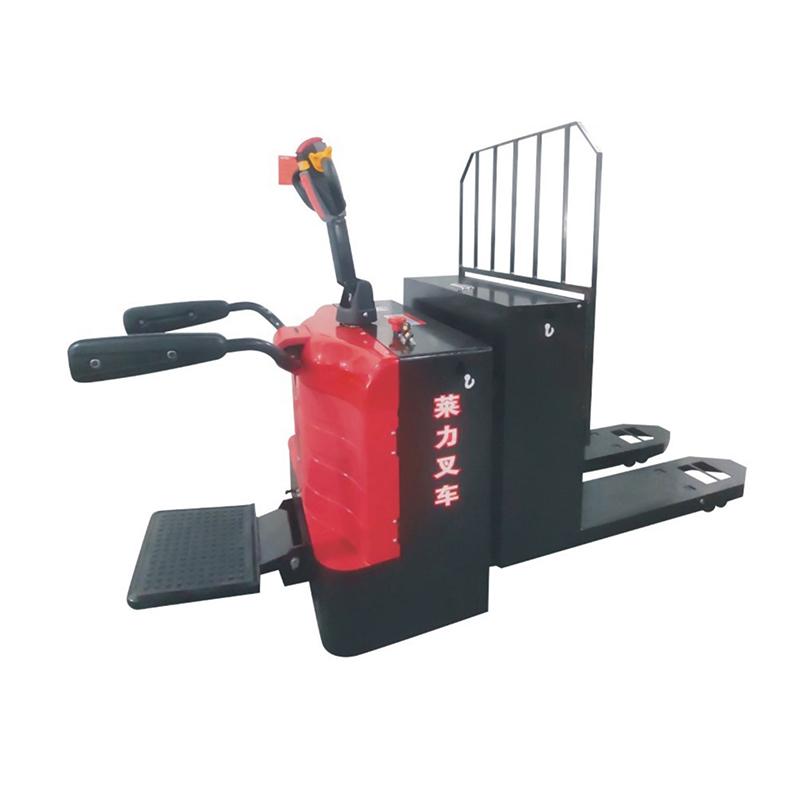
Making Daily Pallet Movement Easier
Manual pallet trucks can work well over short distances, but demanding shifts may require operators to push loaded pallets repeatedly across large floors. An electric model uses powered travel and lifting functions to reduce the effort involved in routine transport. This can be useful in distribution centers, production workshops, and loading areas where pallets move between several workstations. When evaluating a truck, we recommend considering the actual route, load weight, and frequency of movement rather than choosing equipment based on appearance alone.
Matching Equipment to Warehouse Layout
A truck that performs well in an open warehouse may be less convenient in a crowded storage area. Narrow aisles, tight turning points, dock approaches, and uneven floor transitions all affect daily operation. Before selecting a model, buyers should review the available operating space and the distance between loading and unloading points. Our approach as a material-handling equipment manufacturer is to help customers match truck configuration and operating requirements to their working environment, making equipment selection more practical.
Checking Load Capacity and Pallet Compatibility
Load requirements involve more than the total weight of goods. Pallet dimensions, load distribution, fork length, and entry clearance can also affect handling stability. Buyers should confirm that the rated capacity suits their intended loads and that the forks fit the pallets used in their facility. Loads should remain evenly distributed and within the equipment's specified limits. These checks help reduce handling difficulties and allow operators to move goods with greater control during normal warehouse activities.
Battery Performance During Long Shifts
Battery charging arrangements can influence how smoothly a warehouse operates. If several teams share the same equipment, charging interruptions may affect shift planning. When comparing a Fully Electric Pallet Truck, buyers should examine battery type, charging time, expected operating duration, and the availability of charging points. Actual runtime depends on load conditions, travel distance, floor surfaces, and operating habits. We encourage customers to assess these factors using their normal work cycles instead of relying on general estimates alone.
Supporting Safer Material Handling
Powered movement changes how operators control a loaded pallet, so training and operating procedures remain important. Before regular use, teams should understand the controls, braking behavior, emergency stop functions where fitted, and the manufacturer's operating instructions. Warehouse managers should also consider pedestrian traffic, visibility around corners, and safe parking practices. Routine inspections of wheels, forks, controls, and battery connections can help identify wear before it disrupts daily work.
Considering Maintenance and Service Access
Equipment downtime can interrupt production and dispatch schedules, especially when a truck supports several departments. Buyers should ask about access to replacement parts, recommended inspection intervals, battery maintenance requirements, and available technical support. A clear maintenance plan helps warehouse teams identify routine service needs and respond to developing faults. Comparing these practical details alongside purchase cost provides a more useful basis for evaluating equipment over its working life.
Choosing a Truck for Real Working Conditions
As a manufacturer, we understand that warehouse equipment must fit the tasks people perform every day, not just the specifications listed on a product sheet. Our team encourages buyers to share their load requirements, aisle dimensions, travel routes, and shift patterns before selecting a suitable configuration. A properly matched Fully Electric Pallet Truck can reduce manual handling effort, support consistent pallet movement, and help businesses organize daily material flow more effectively.