 English
 русский
 Español
 عربى
 Português
LAILI
LAILI
LAILI
LAILI
LAILI
LAILI
LAILI
LAILI
LAILI
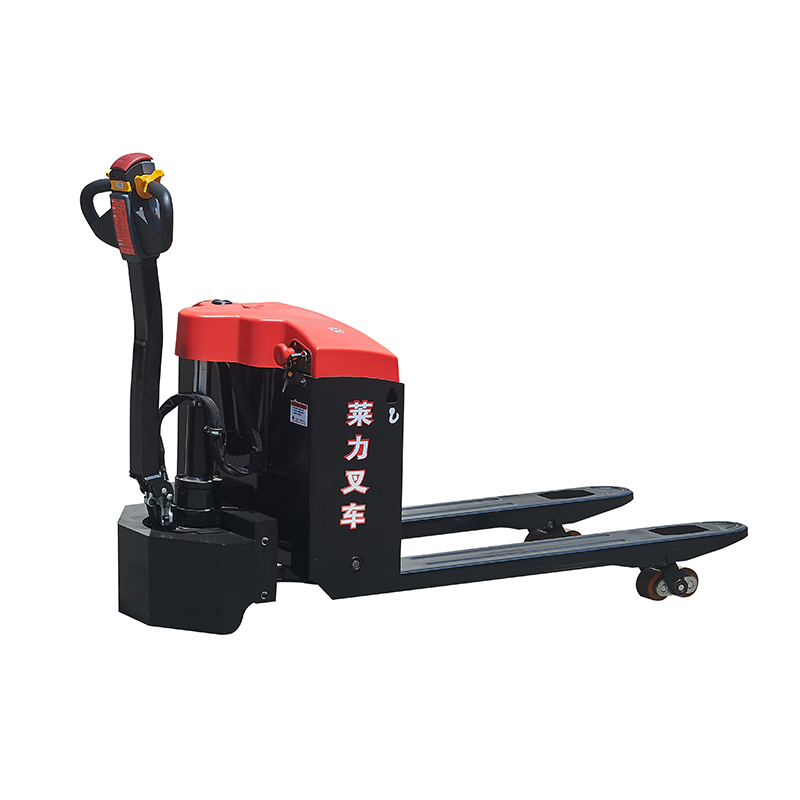
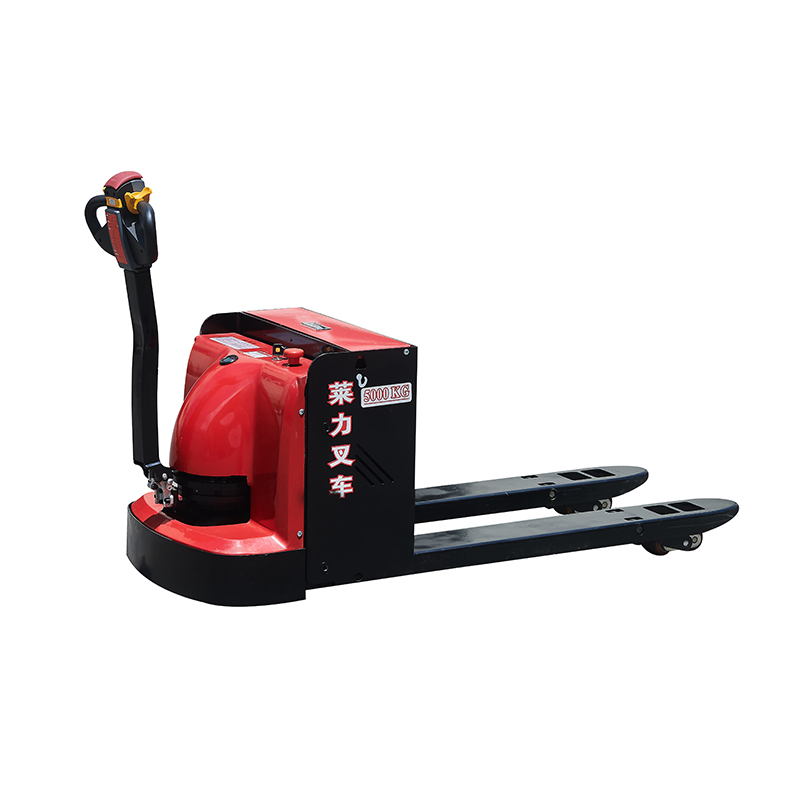
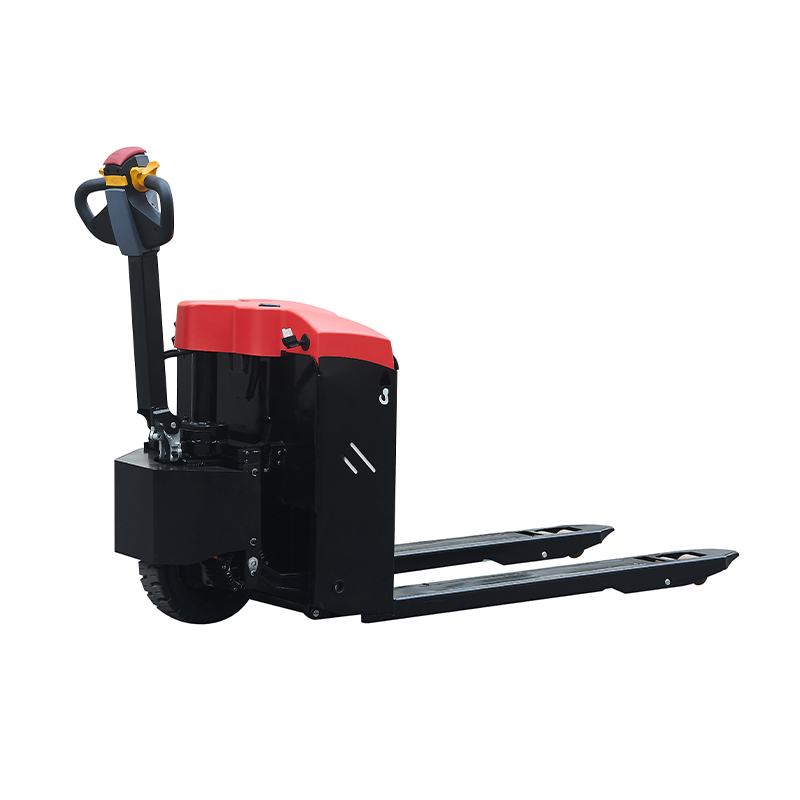
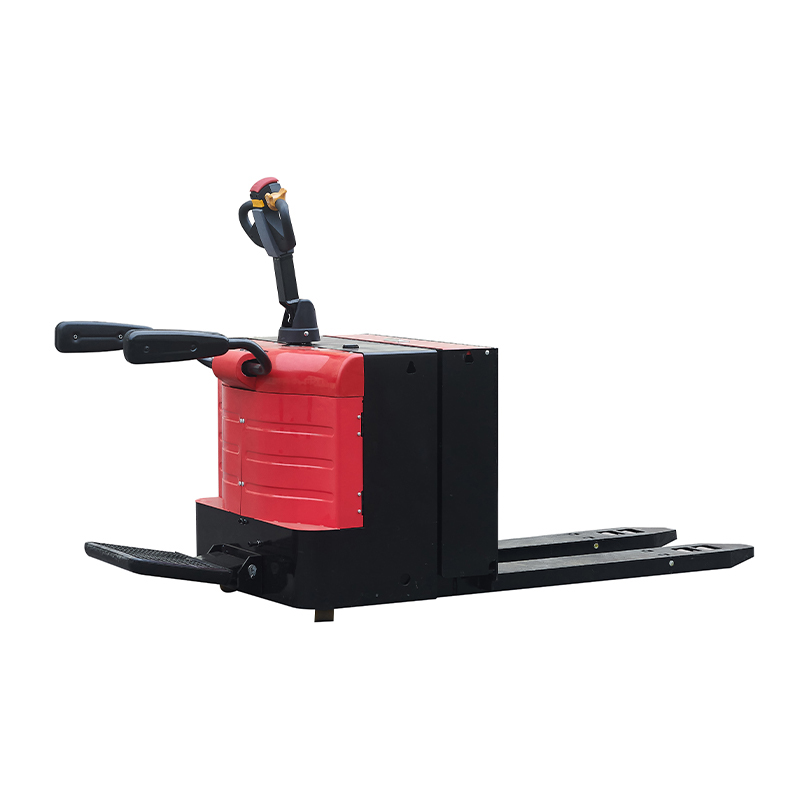
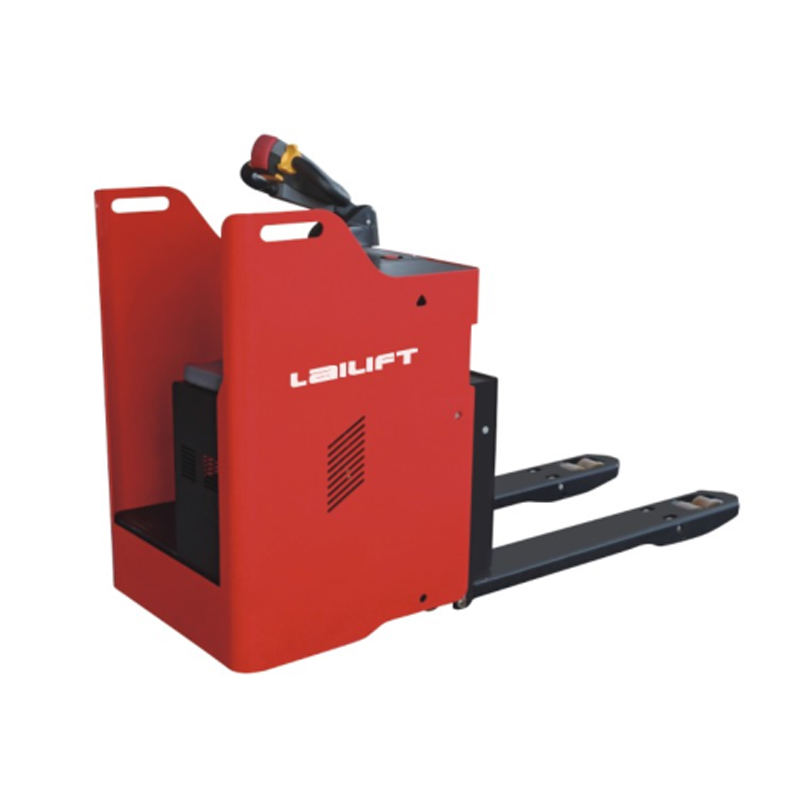
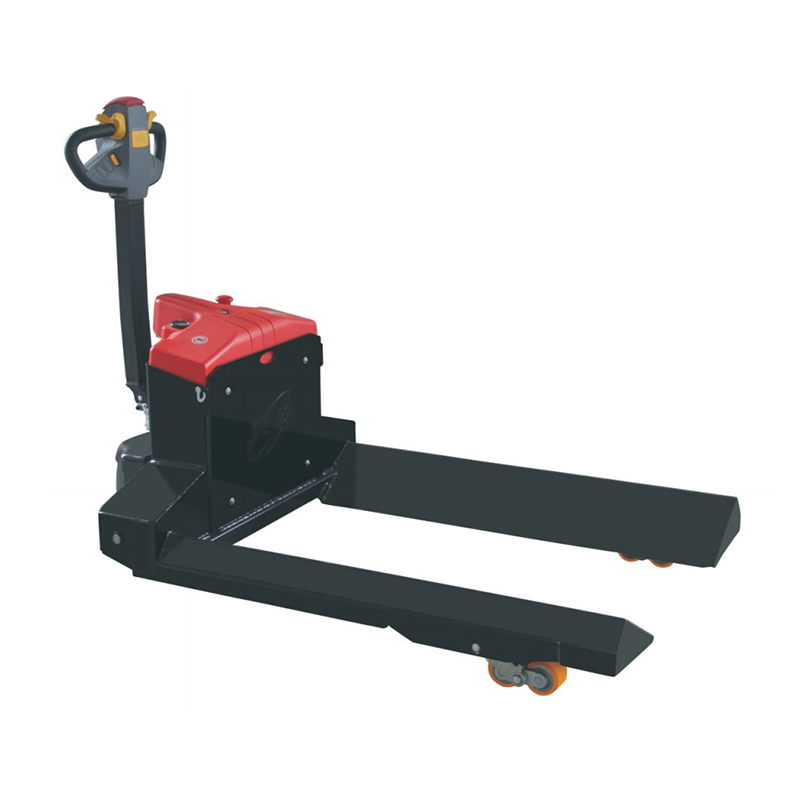
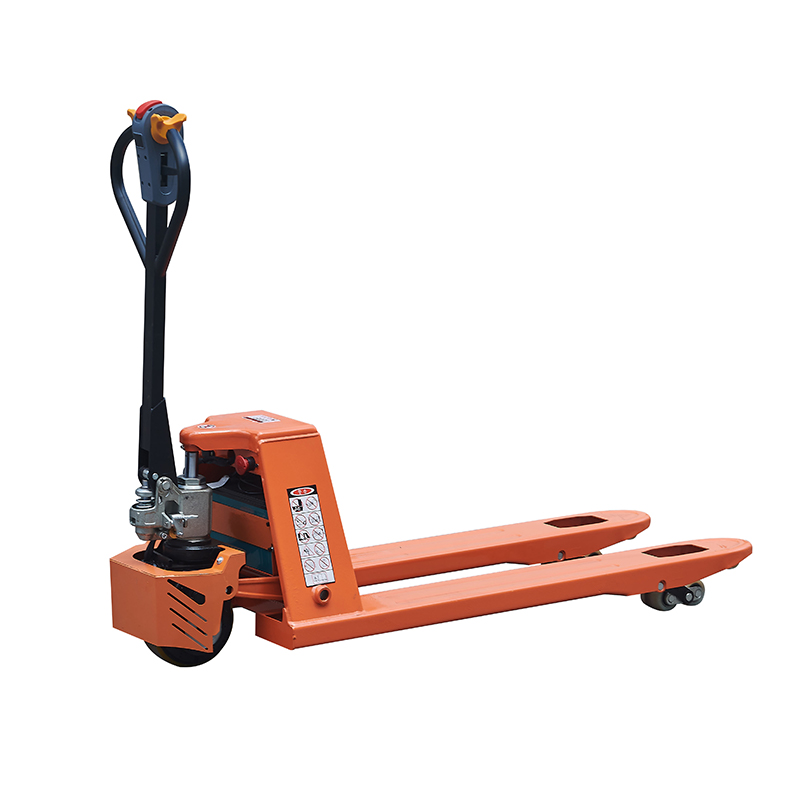
Warehouse teams often handle a mix of tasks during a single shift, from moving raw materials to replenishing picking areas and transferring finished goods for dispatch. Equipment that suits one task may become inconvenient when the workload changes. A Fully Electric Pallet Truck can support these daily movements by combining powered travel with electric lifting, reducing the physical effort required to handle palletized loads. For buyers, the key is finding a model that fits the facility's actual workflow rather than focusing on specifications in isolation.
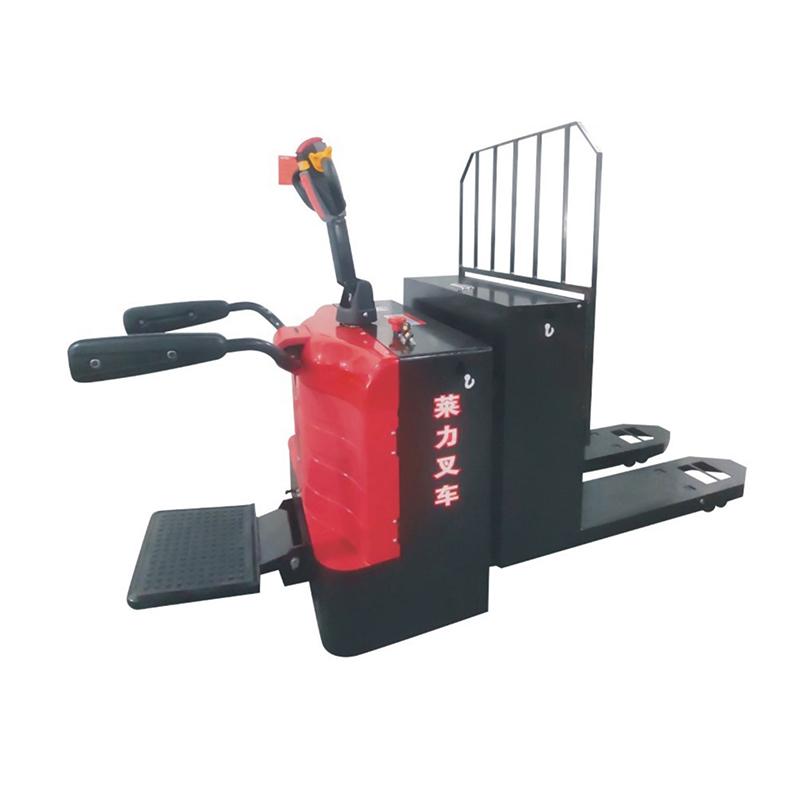
Adapting to Changing Warehouse Tasks
Some facilities move full pallets over long distances, while others make frequent short transfers between production lines and storage areas. These differences affect the truck's operating requirements. Travel distance, load frequency, turning space, and operator working hours should all be considered before selecting equipment. We encourage customers to describe their main handling tasks and busiest periods so that the truck configuration can be matched to the demands of everyday operations.
Balancing Capacity with Maneuverability
A truck with an appropriate load rating must also fit the space in which it will operate. Oversized equipment can make tight turns difficult, while unsuitable fork dimensions may prevent proper engagement with certain pallets. Buyers should check rated capacity, fork length, overall width, turning requirements, and the dimensions of the loads being transported. Keeping these factors aligned helps operators move goods through aisles and work areas without unnecessary repositioning.
Supporting Repetitive Material Transfers
Repeated pallet movement can place considerable physical demands on warehouse workers, particularly when goods travel between production, packing, and dispatch areas. Powered travel reduces the need for manual pushing over routine routes and can help operators manage repeated transfers more comfortably. However, operating procedures still matter. Teams should receive training on acceleration, braking, load positioning, and pedestrian awareness before using electric handling equipment during busy shifts.
Planning Battery Use Around Work Schedules
Battery performance affects how equipment fits into a warehouse's daily schedule. A truck used continuously during dispatch peaks may have different requirements from one used for occasional stock transfers. When comparing a Fully Electric Pallet Truck, buyers should review battery type, charging time, expected operating duration, and the charging facilities available on site. Runtime depends on load conditions, route length, floor surfaces, and usage patterns, so real working conditions should guide the decision.
Dealing with Uneven Floors and Thresholds
Not every warehouse has perfectly smooth floors. Expansion joints, dock plates, surface transitions, and minor floor irregularities can affect movement and operator control. Buyers should check the manufacturer's specifications for permitted operating conditions, gradient limits, and wheel configuration. Loads should remain stable, and operators should avoid abrupt turns or movements across unsuitable surfaces. These practical checks help determine whether a particular model is appropriate for the facility.
Keeping Equipment Ready for Daily Use
Unexpected equipment downtime can disrupt several warehouse tasks at once. A maintenance routine should include checks of wheels, forks, steering, braking components, controls, and battery connections according to the manufacturer's instructions. Operators should report unusual noises, reduced performance, or visible damage rather than continuing to use equipment that may be unsafe. Buyers should also evaluate spare-part availability and after-sales technical support when comparing suppliers.
Matching the Truck to Long-Term Operating Needs
As a material-handling equipment manufacturer, we understand that different warehouses need different equipment configurations. Before selecting a Fully Electric Pallet Truck, businesses should assess their pallet types, load weights, travel routes, shift schedules, and maintenance arrangements. This practical approach helps buyers choose equipment that supports everyday handling requirements, reduces manual effort, and keeps materials moving between workstations with fewer avoidable interruptions.