 English
 русский
 Español
 عربى
 Português
LAILI
LAILI
LAILI
LAILI
LAILI
LAILI
LAILI
LAILI
LAILI
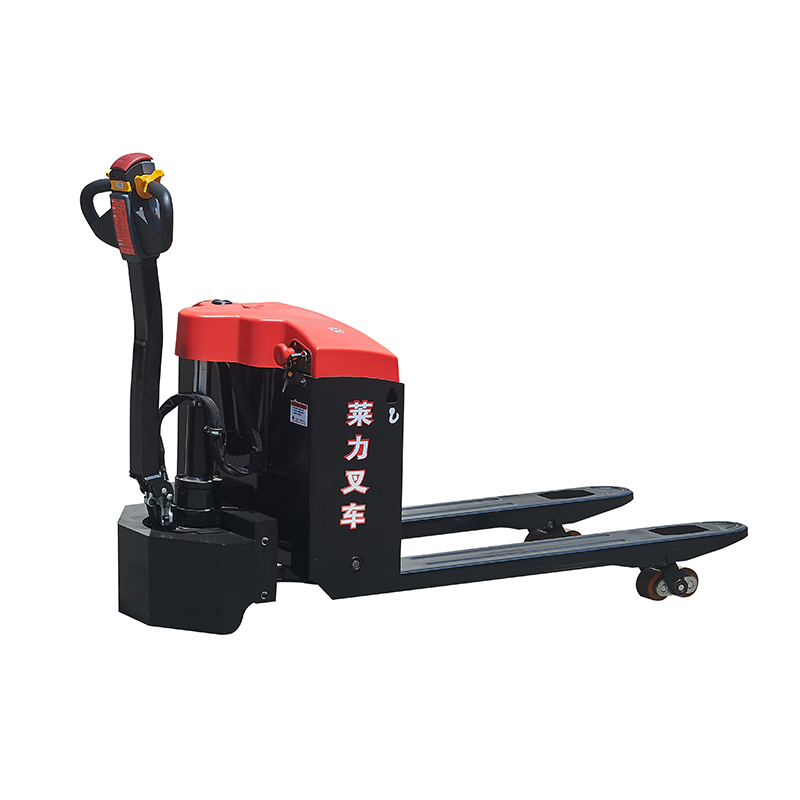
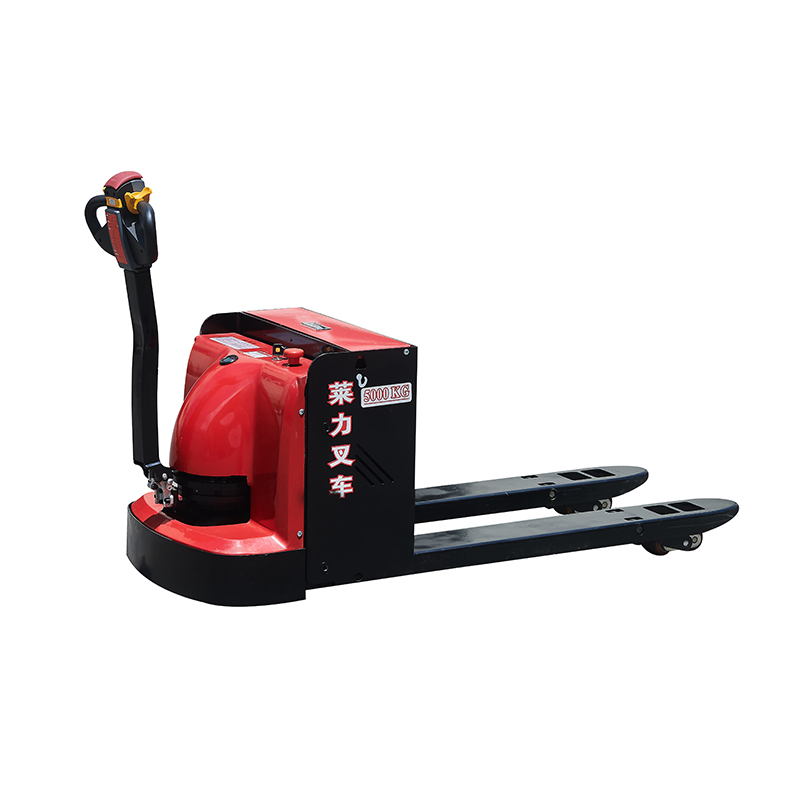
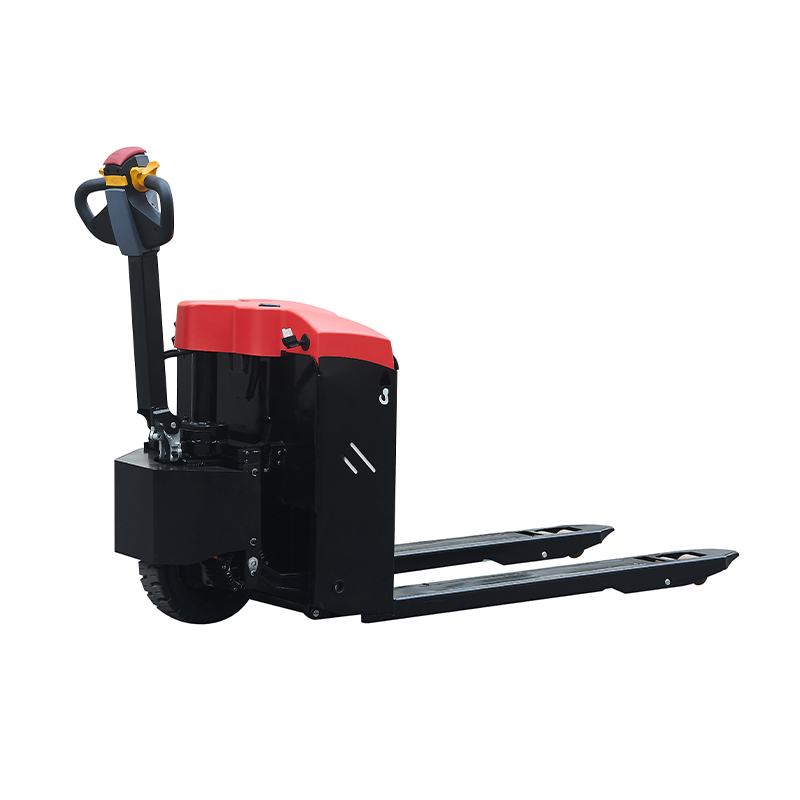
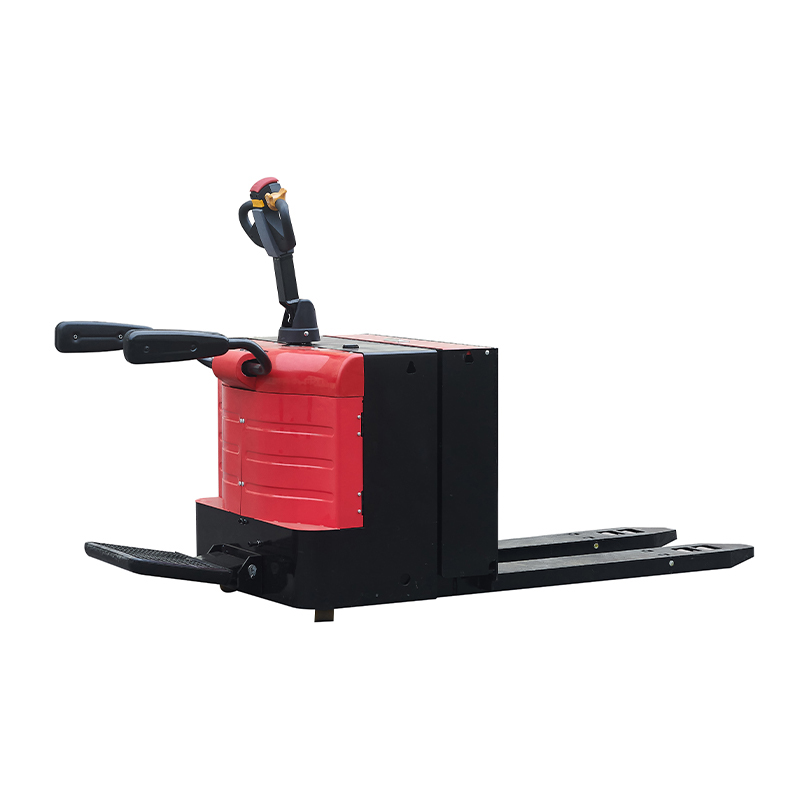
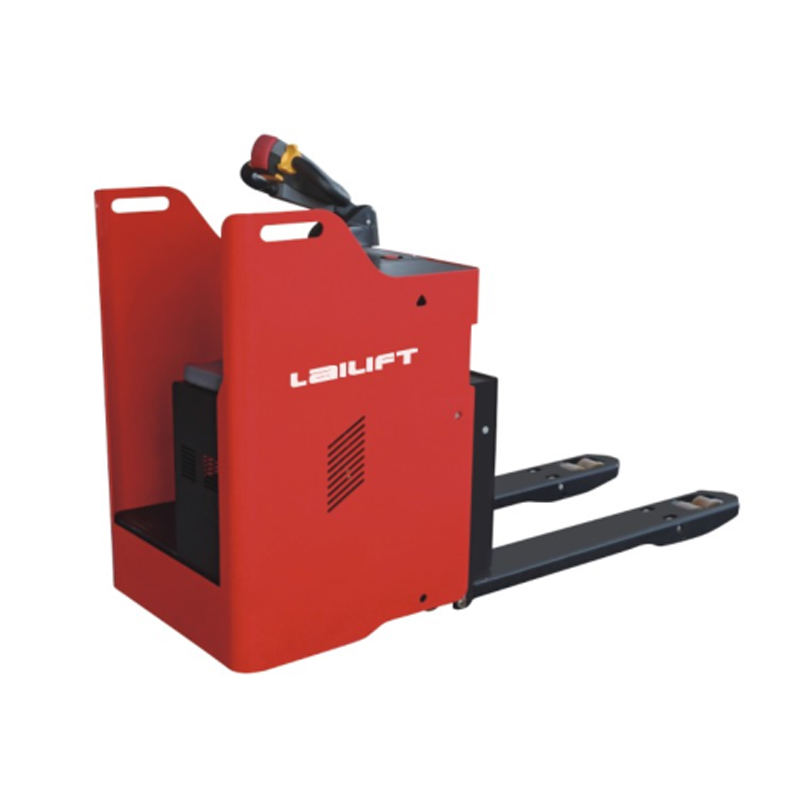
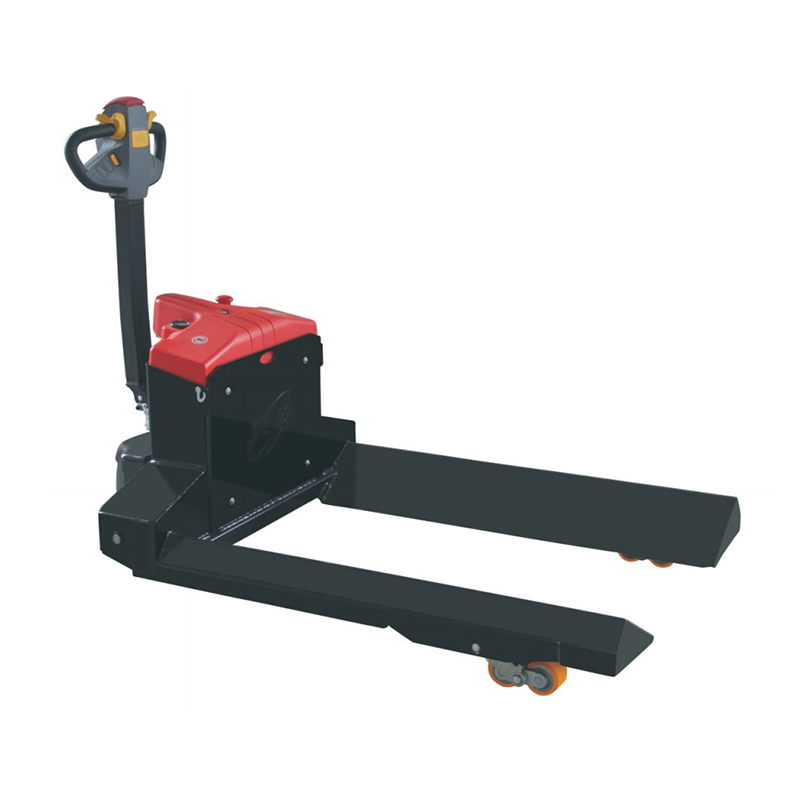
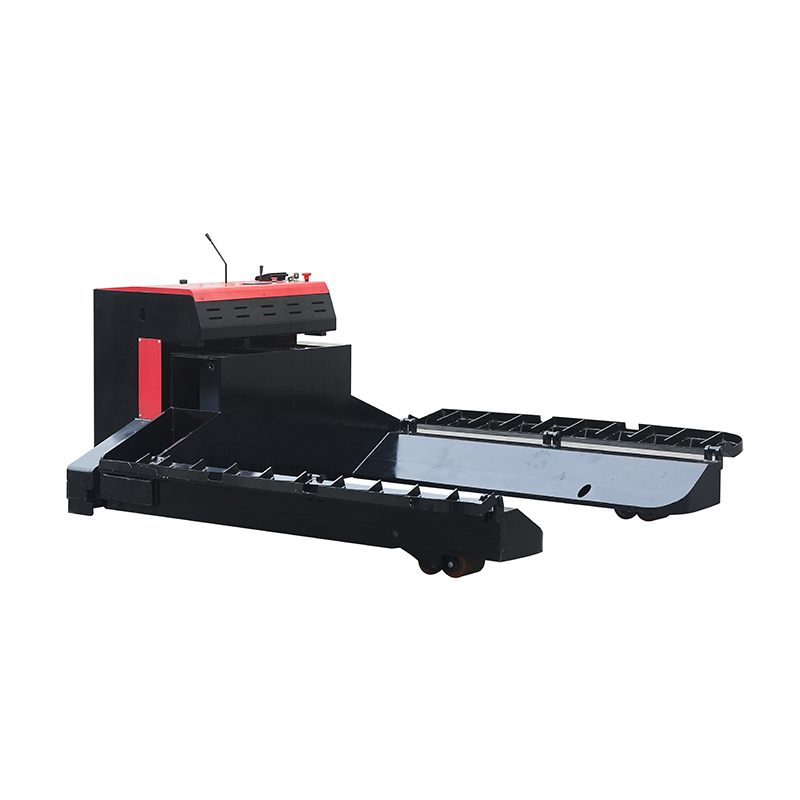
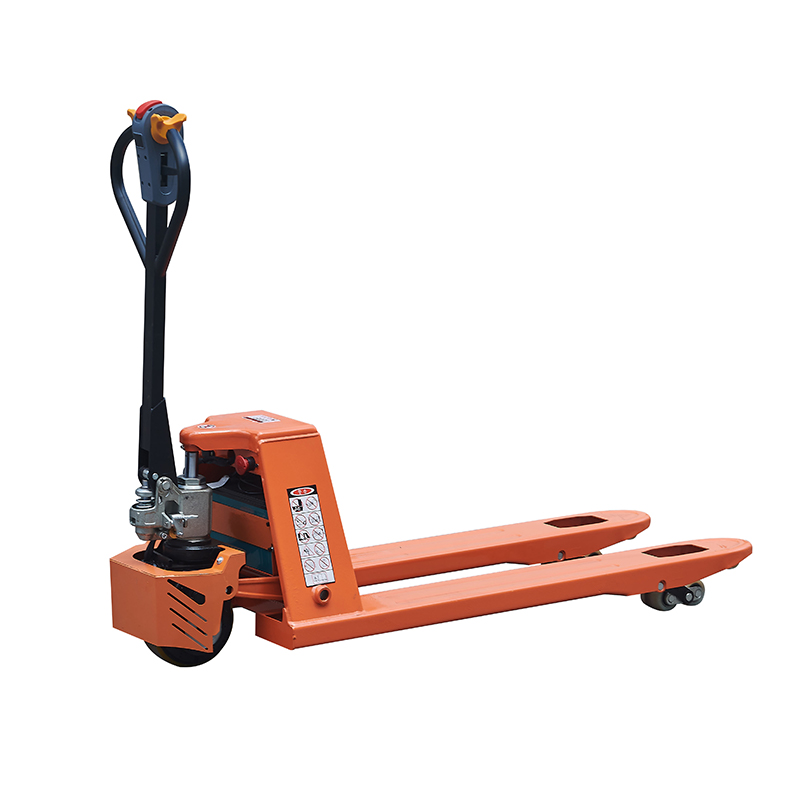
Loading bays are often among the busiest areas in a warehouse. Goods arrive in batches, delivery vehicles wait to be unloaded, and finished orders need to move out without unnecessary delays. When workers rely on manual pallet handling throughout these tasks, repeated pushing and pulling can slow the workflow and increase physical strain. A Fully Electric Pallet Truck gives warehouse teams powered assistance for moving palletized goods, helping businesses manage daily loading activities with greater control and less manual effort.
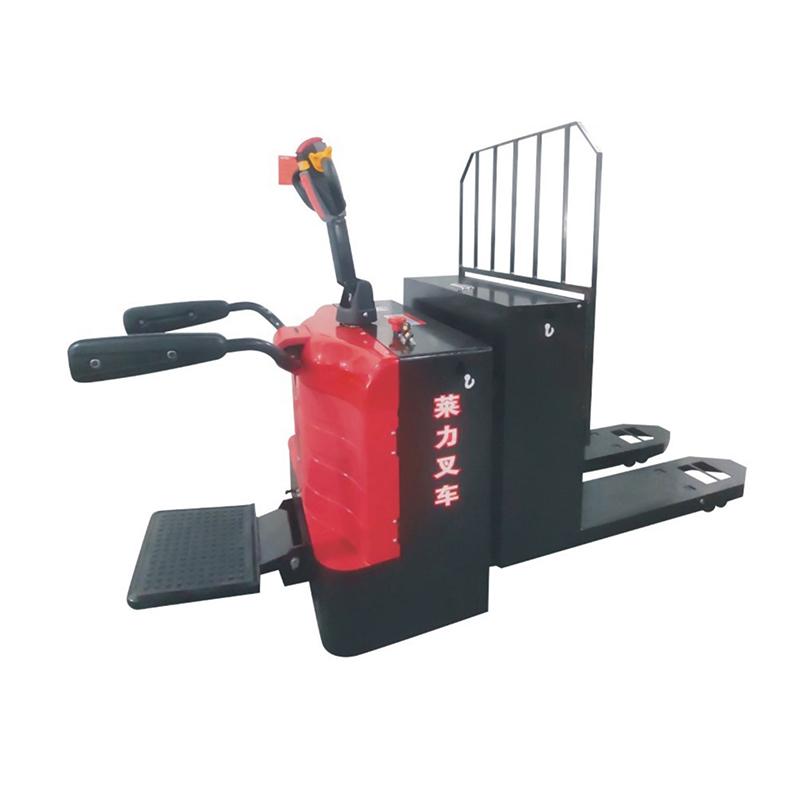
Reducing Delays Between Receiving and Storage
Incoming goods often pass through several stages before reaching their assigned storage locations. If pallet movement becomes a bottleneck, unloading teams may have to wait for space or equipment to become available. Powered travel helps operators transfer loads between designated areas without relying entirely on physical pushing. We recommend reviewing the distance from the vehicle unloading point to temporary storage, as well as how frequently pallets move along this route, when deciding whether an electric pallet truck fits the operation.
Handling Different Loads Across Daily Operations
Warehouses rarely handle identical pallets throughout the day. Cartons, packaged components, raw materials, and finished products may vary in weight and dimensions. Selecting equipment requires checking rated load capacity, fork dimensions, pallet entry clearance, and load distribution. Buyers should also consider whether the truck will handle standard pallets or specialized load formats. As a manufacturer, we encourage customers to provide representative load details during equipment selection so that the chosen configuration matches real working requirements.
Managing Tight Spaces Around Loading Bays
Loading areas can become crowded when pallets, forklifts, workers, and delivery vehicles operate nearby. Equipment that is difficult to maneuver may create unnecessary repositioning and interrupt the movement of goods. Before choosing a Fully Electric Pallet Truck, warehouse managers should measure aisle widths, turning areas, and access points around dock doors. Handle design, steering response, and overall truck dimensions can affect usability in confined spaces. A practical layout assessment helps buyers avoid selecting equipment that does not fit their daily routes.
Keeping Battery Charging Compatible with Shift Patterns
Battery planning is an important part of electric material handling. A truck used intermittently in a small warehouse may have different charging needs from one operating across multiple shifts. Buyers should compare battery specifications, charging arrangements, expected working duration, and the availability of backup equipment where necessary. Actual runtime varies with load weight, travel distance, floor conditions, and operating frequency. We advise businesses to map their busiest periods and charging windows before deciding which battery configuration suits their workflow.
Maintaining Control on Different Floor Surfaces
Warehouse floors may include concrete joints, ramps, loading thresholds, and transitions between indoor and outdoor areas. These conditions influence how a loaded pallet moves and how comfortably the operator can control the truck. Buyers should check the manufacturer's guidance on permitted gradients, floor conditions, and operating environments. Operators should travel at an appropriate speed, keep loads stable, and avoid sudden turns. Regular checks of wheels, forks, brakes, and steering components also help maintain reliable daily operation.
Making Maintenance Part of Warehouse Planning
A truck that is unavailable during a busy dispatch period can affect several connected tasks. Routine inspections and planned servicing help warehouse teams identify developing problems before they cause avoidable interruptions. Maintenance planning should cover the battery, charging connections, wheels, forks, controls, and other components specified by the manufacturer. Buyers should also ask about replacement part availability and technical support when comparing suppliers. These details matter when equipment is expected to support regular warehouse operations over an extended period.
Selecting Equipment Around Actual Workflow
The right material-handling solution depends on how goods move through a facility, not simply on rated capacity or purchase price. As a manufacturer, we recommend evaluating loading frequency, pallet types, travel distances, working hours, and available charging facilities together. A properly selected Fully Electric Pallet Truck can help reduce manual handling effort, keep goods moving between operational stages, and support a more organized loading process for warehouses, distribution centers, and production facilities.