 English
 русский
 Español
 عربى
 Português
LAILI
LAILI
LAILI
LAILI
LAILI
LAILI
LAILI
LAILI
LAILI
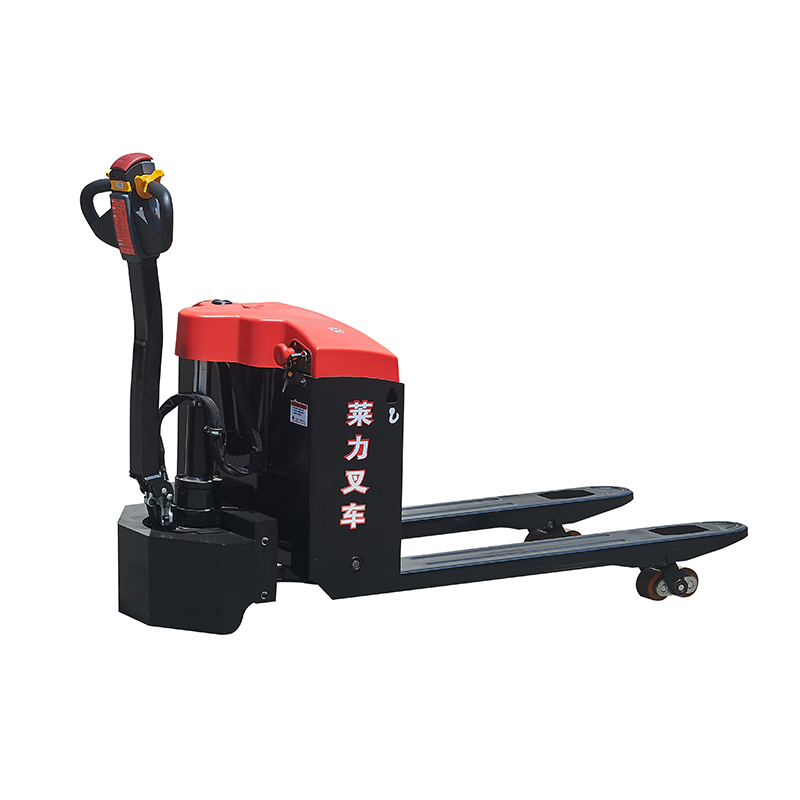
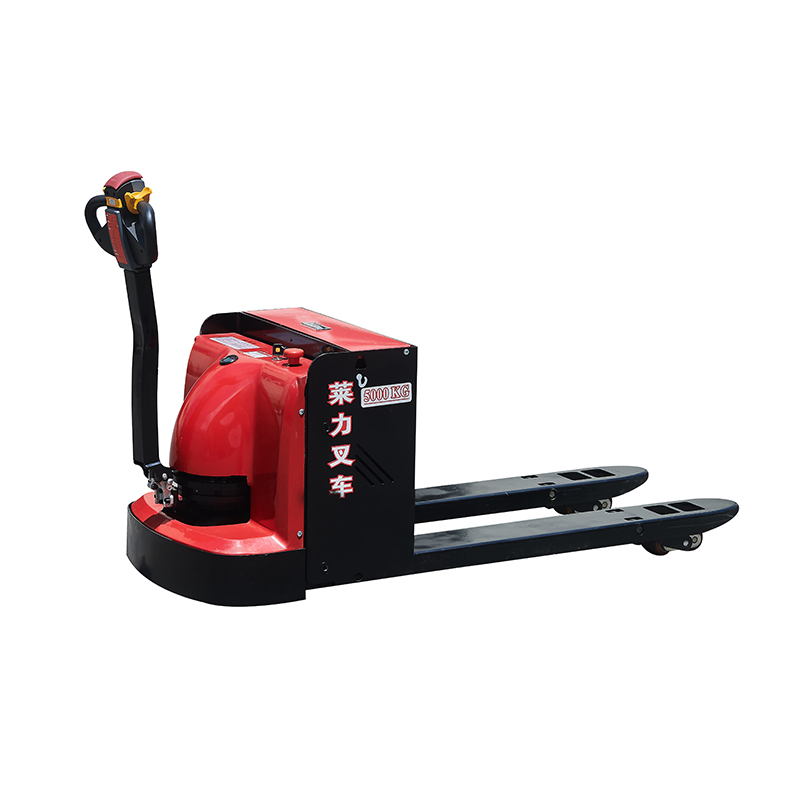
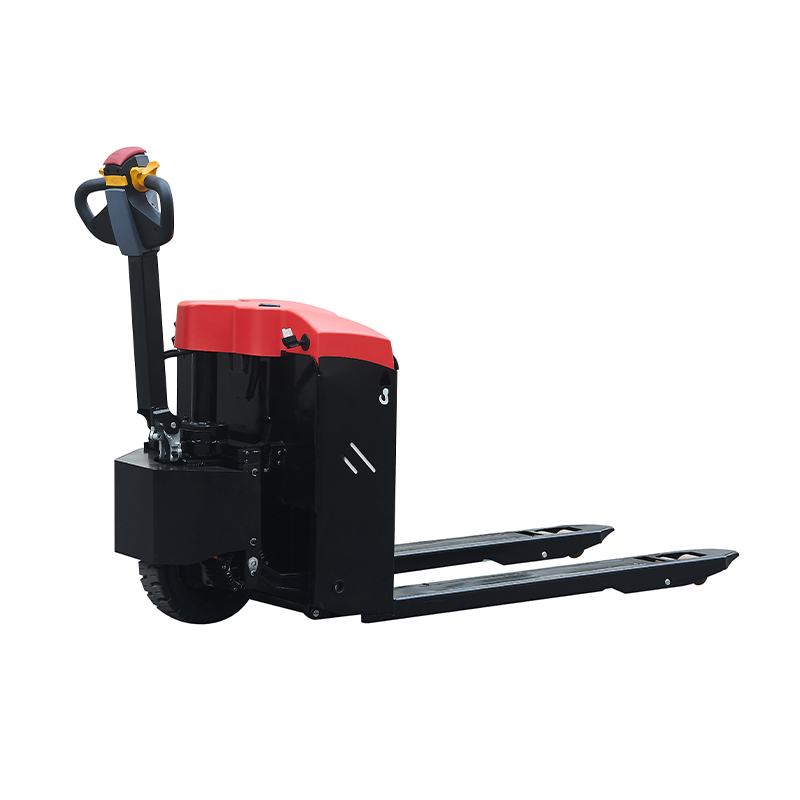
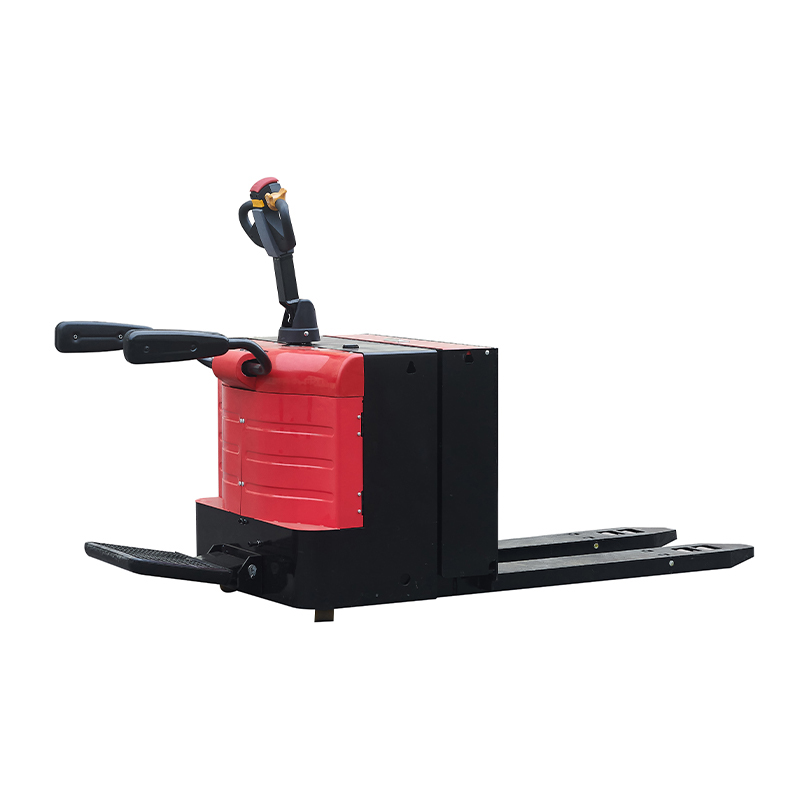
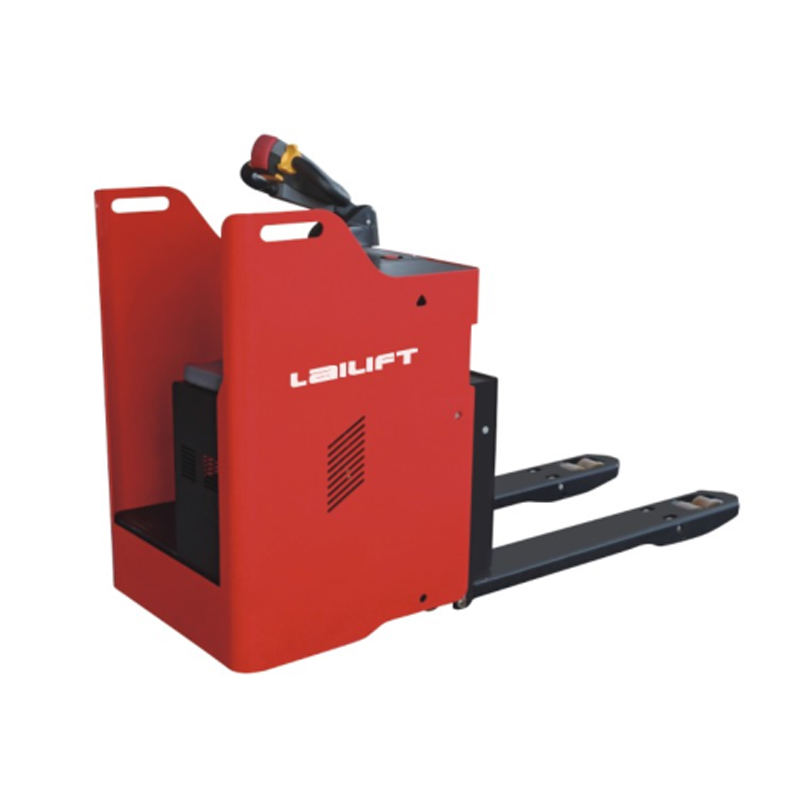
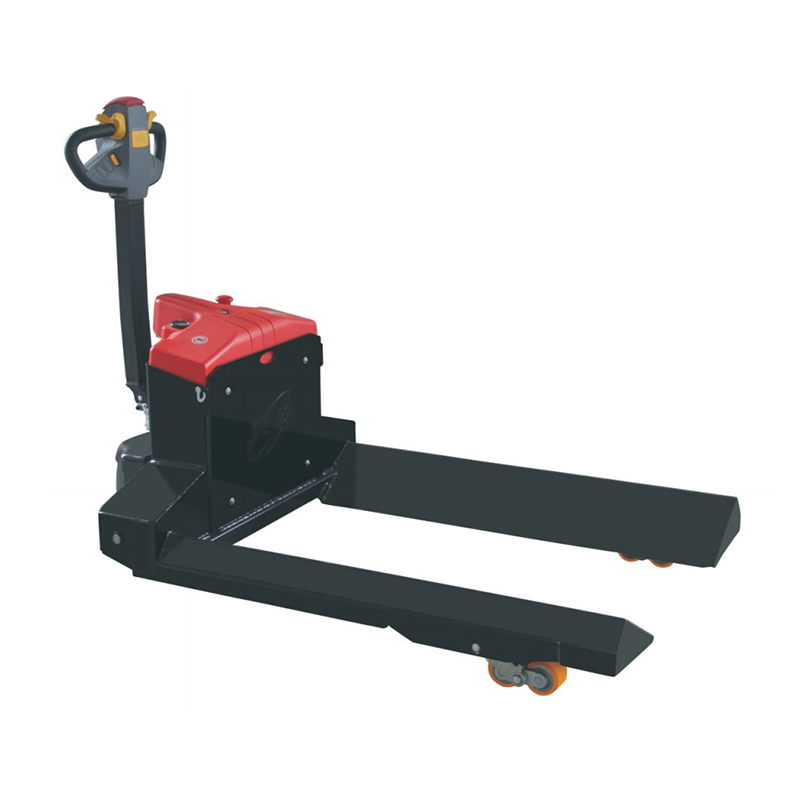
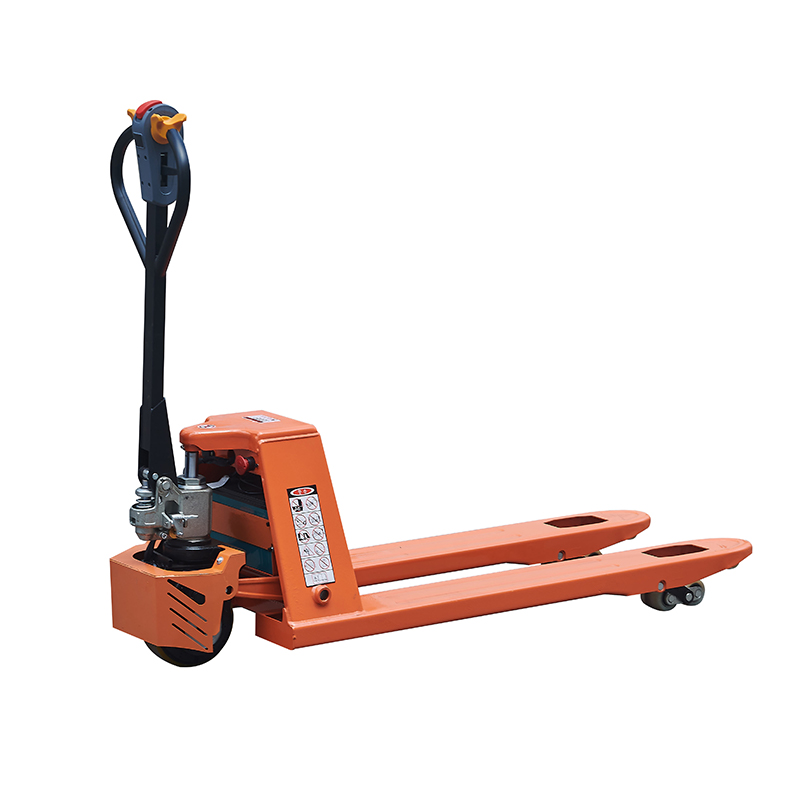
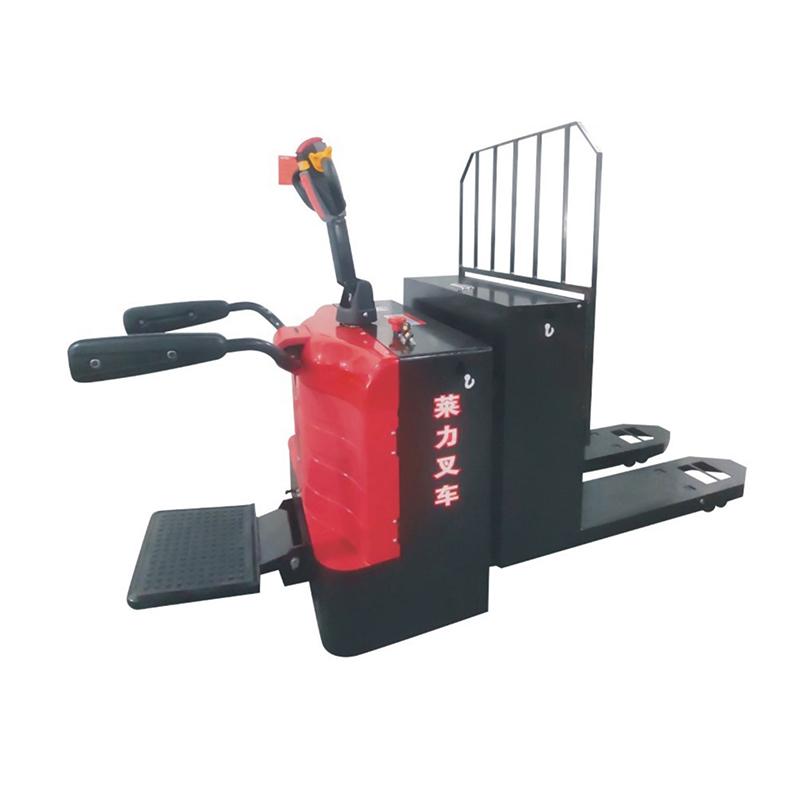
Order picking often involves more movement than warehouse managers initially expect. Workers collect products from different storage locations, transfer completed pallets to packing areas, and prepare shipments for dispatch. When these movements rely on manual pallet handling, fatigue and congestion can build up during busy periods. A Fully Electric Pallet Truck helps warehouse teams move palletized goods with powered assistance, making it a practical option for distribution centers, retail warehouses, and manufacturing facilities handling frequent internal transfers.
Reducing Unnecessary Travel Between Work Areas
A poorly arranged picking route can lead to repeated trips between storage aisles, staging zones, and packing stations. Before investing in new equipment, warehouse managers should review how orders move through the facility. Grouping frequently handled goods closer to relevant work areas and establishing clear pallet transfer routes can reduce unnecessary movement. Electric pallet trucks support this workflow by helping operators transport prepared loads between designated locations without relying entirely on manual pushing.
Matching Truck Dimensions to Picking Aisles
Picking areas often contain narrow aisles, shelving, temporary stock, and workers moving in different directions. Equipment that is difficult to maneuver can slow down pallet transfers and create avoidable obstacles. When selecting a Fully Electric Pallet Truck, buyers should compare overall width, fork dimensions, turning requirements, and the available aisle space. The intended pallet type also matters because fork entry and load clearance affect how easily operators can collect and move goods.
Keeping Mixed Orders Stable During Transport
Distribution warehouses frequently consolidate products with different sizes and packaging types onto the same pallet. Uneven weight distribution or poorly secured cartons can make transport more difficult, particularly when the load changes direction. Operators should distribute weight appropriately, keep goods within the rated capacity, and secure unstable items before moving them. Buyers should also check the truck's specifications and operating instructions to confirm that it suits the loads handled in their facility.
Managing Battery Availability During Peak Picking Hours
Order volumes can fluctuate throughout the working day, especially when dispatch deadlines concentrate activity into particular periods. If electric equipment requires charging during a busy window, pallet transfers may become harder to coordinate. Warehouse managers should review battery capacity, charging duration, expected operating time, and the availability of charging points. Actual runtime varies with load weight, travel distance, floor conditions, and usage patterns, so the selection process should reflect the facility's normal and peak workloads.
Supporting Safe Movement Around Workers
Order picking creates frequent interaction between pedestrians and material-handling equipment. Clear travel routes, visible crossing points, suitable operating speeds, and operator training all contribute to safer warehouse movement. Teams should understand braking behavior, steering controls, load limits, and emergency procedures before operating powered equipment. Regular inspections are also important. A Fully Electric Pallet Truck should be removed from service when damage or a fault could affect safe operation.
Making Maintenance Easier to Schedule
Picking operations depend on equipment being available when orders need to move. A planned maintenance routine helps teams identify worn wheels, damaged forks, loose connections, or changes in braking and steering performance. Operators can carry out the checks specified in the user manual, while qualified personnel handle repairs and technical servicing. Buyers should consider spare-part availability and service support when evaluating suppliers, particularly if several departments depend on the same equipment.
Building a Better-Fitted Material Handling Process
Choosing warehouse equipment should begin with the work it needs to perform. As a material-handling equipment manufacturer, we encourage buyers to assess order volumes, pallet dimensions, aisle layouts, charging arrangements, and shift patterns before choosing a Fully Electric Pallet Truck. When equipment matches these conditions, warehouse teams can reduce manual handling effort, organize internal transfers more consistently, and move picked orders toward packing and dispatch with greater control.